
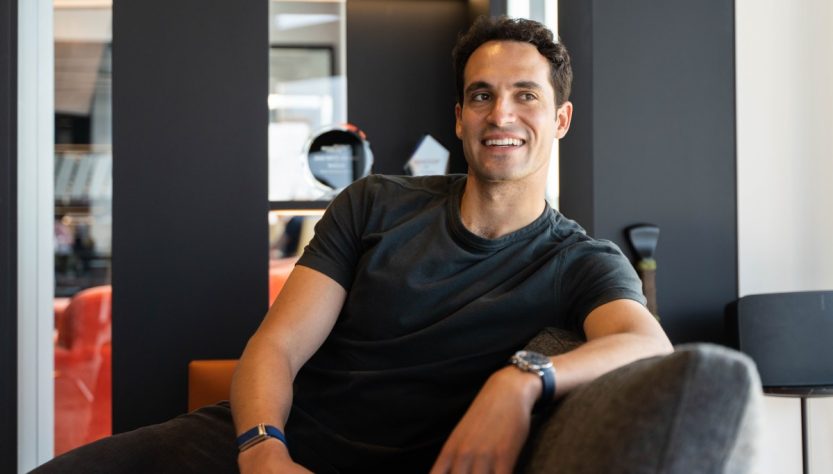
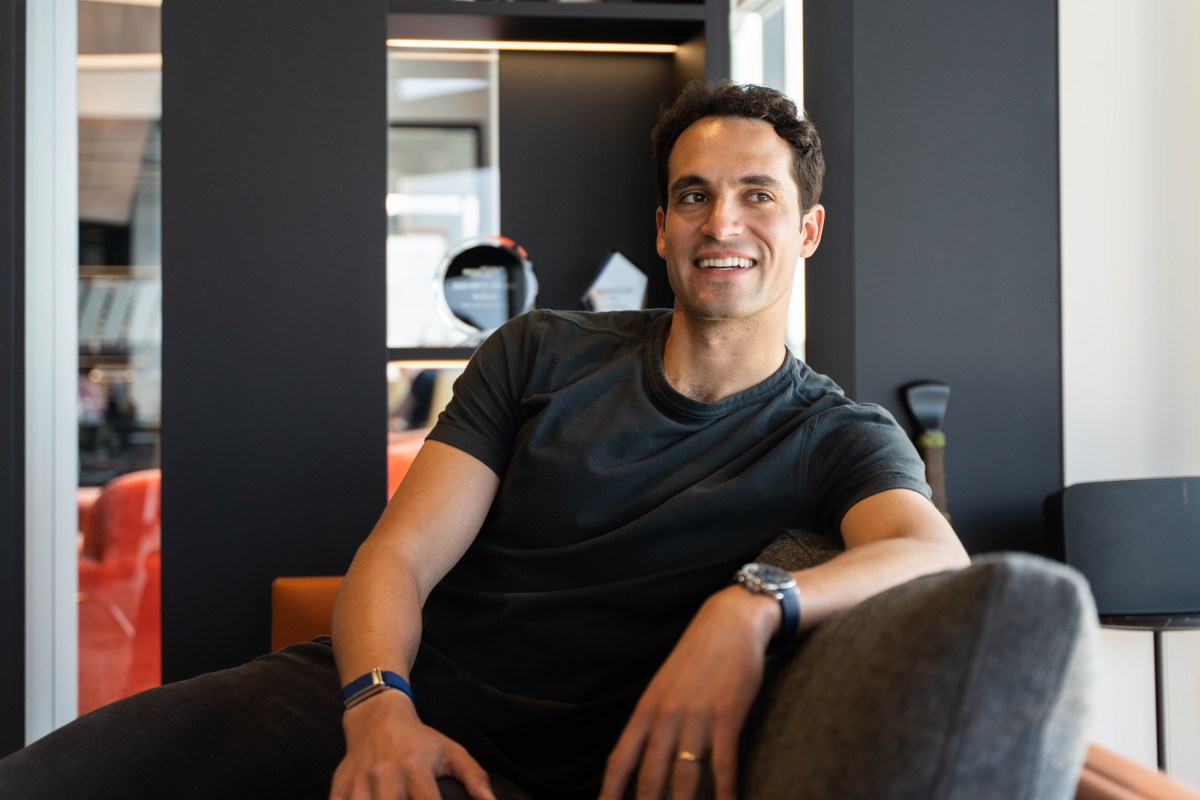
For nearly ten years, Whoop positioned itself as an essential asset for elite athletes. In its inaugural year, LeBron James was persuaded to wear the company’s fitness band. Michael Phelps followed suit shortly thereafter. Other notable Whoop users include Cristiano Ronaldo, Patrick Mahomes, and Rory McIlroy. The underlying message to the audience? The top performers in the world monitor their physical condition using this device, and you can too.
The strategy has proven effective. Whoop, the Boston-based health tech firm founded by Will Ahmed during his final year at Harvard, now operates in over 200 nations. According to Ahmed, the company saw revenue growth exceeding 100% last year and achieved a cash-flow positive status. The device—a band that can be worn on the wrist, bicep, or torso—tracks sleep, recovery, heart rate variability, and a growing array of biomarkers. The subscription service, which includes both hardware and software for an annual fee of $200 to $360—covering the cost of the device itself with no additional purchase necessary—has shown incredible retention: 83% of active users access the app daily, a figure Ahmed claims is second only to WhatsApp.
The forthcoming chapter presents a tougher challenge.
Ahmed, 36, aspires for Whoop to transition from merely a performance tool to a life-saving device—a constant health monitor that not only aids in recovery from strenuous exercise but someday can warn you of an impending heart attack and the need for urgent medical attention.
The company has already introduced medically approved features, such as ECG monitoring and atrial fibrillation identification—a function that detects irregular heartbeats that could lead to a stroke—and what it refers to as blood pressure “insights,” which Ahmed claims makes Whoop the first wearable to provide this capability.
The FDA contested the latter feature with a warning letter last summer, asserting that it should be classified as a medical diagnosis rather than a wellness tool; Whoop countered that the FDA was “overreaching its jurisdiction” and continued its development.
Currently, a partnership with Quest Diagnostics—a blood testing service with over 2,000 locations in the U.S.—allows users to take a blood test and upload their biomarkers directly into the app for a clinician to analyze alongside their Whoop data. A function known as Health Span assesses your biological age. Ahmed states it has become the most favored feature since its introduction in May of last year.
Techcrunch event
San Francisco, CA
|
October 13-15, 2026
The device does not feature a screen, notifications, or a step counter. This was a calculated choice from the outset. “With a screen, you become a watch,” he explains to TechCrunch via a Zoom call. “And once you’re a watch, you’re up against numerous other watches, as most people won’t wear two watches.”
Whoop can be worn alongside any watch you already possess, he suggests, and can be entirely concealed within a bicep sleeve, a sports bra, or a pair of shorts, blending seamlessly with your attire. While it’s safe to assume that most of Whoop’s customers wear the band as a stylish accessory, when asked directly, Ahmed mentions that the company’s apparel line, launched in 2021, saw a 70% growth last year.
However, Whoop is not the only company seeking to broaden its appeal. Oura, the Finnish maker of the smart ring, now Whoop’s closest competitor, has cultivated a substantial and loyal customer base—primarily among highachieving professionals who approach their health with the same dedication they apply to their careers.
Oura’s business model differs. Users purchase the ring outright for about $350, then pay approximately $70 annually to utilize the platform. During a conversation with Oura’s chief product officer, Dorothy Kilroy, last fall, she noted that 12-month retention rates were reaching the high 80s, an impressive figure for wearables, which often find themselves abandoned in drawers.
Both companies now claim that women represent their fastest-growing demographic, and last fall they independently announced blood-testing collaborations on the same day—a coincidence neither was keen to elaborate on.
Whoop’s statistics still reflect its origins. Although Ahmed is cautious about revealing specifics, he mentions that Whoop tends to have a higher proportion of male users compared to females. He also indicates that the business has now nearly equal representation between the U.S. and global markets—a shift from just a few years prior. Whoop officially ships to 60 countries.
What distinguishes Whoop, at least in its narrative, is that its most recognized users didn’t require persuading. Earlier this year, the Australian Open instructed players, including Carlos Alcaraz, to remove their Whoop bands during the tournament, even though the device had been sanctioned by the International Tennis Federation. The players resisted. While Whoop has brand ambassadors—such as Aryna Sabalenka—others, like Alcaraz and Jannik Sinner, who wear Whoops underneath their wristbands, preferred not to remove them.
“It triggered significant media outrage,” Ahmed notes with a hint of satisfaction regarding the ensuing coverage, “and highlighted that all these exceptionally talented athletes are organically wearing Whoop due to the value it offers.”
Ahmed is diligent in maintaining this. The company enforces a longstanding policy against granting athletes equity in exchange for wearing the band. His rationale? If they appreciate the product, they will wear it regardless. Established partnerships with brands like Ferrari, the PGA Tour, and UCI mountain biking serve a different purpose; they focus on showcasing the brand to broader audiences with similar interests.
Oura, for its part, is undertaking similar calculations. Founded a year after Whoop, reports suggest Oura is contemplating an IPO. Should Oura go public first, it will establish the financial standards—revenue multiples, growth rates, retention statistics—against which Whoop will be evaluated. Whoop currently employs around 750 individuals and is actively hiring an additional 600.
Ahmed remains tight-lipped on the topic. “If we concentrate on creating excellent technology and expanding our business,” he states, “we’ll be satisfied with Whoop when we become a public company, regardless of who goes public first.”
He communicates throughout the discourse as someone who has reflected thoroughly on what they should and shouldn’t convey. Ahmed captained the Harvard squash team and considers Ali Farag, who achieved the world number one ranking, among his former teammates—though he quickly clarifies that being close to excellence should not be confused with being excellent oneself.
“Based on my connection with him, you likely have a mistaken impression of my squash skills,” he jokes.
He began developing what would evolve into Whoop in 2011, poring over numerous medical studies while pursuing economics and government, attempting to address a challenge he had faced firsthand: overtraining without a reliable means to measure its impact on his body.
Whoop has not only been Ahmed’s first company. It’s been his sole full-time commitment. When I inquire whether he would advise another founder in a similar situation as he was in 2012, it’s the question he addresses most openly.
Starting a business is, for the right individual with the right intentions, “undeniably the most remarkable endeavor one can undertake in their career.” However, he adds, “it is a very challenging journey to be an entrepreneur and to attempt to build something from the ground up, requiring a relatively high tolerance for pain, often overlooked amidst the allure of fundraising announcements and achievements.” You need to be, he emphasizes, “more fixated on the problem you’re addressing than on the notion of being a founder.”
He appears to have no hesitation about which side of that divide he occupies.