
At the HumanX AI conference taking place in San Francisco this week, thousands of tech enthusiasts gathered at the Moscone Center, where the focus was on how agentic AI is transforming business practices. Agents that streamline business and programming tasks are now being implemented across various sectors — primarily through chatbots aimed at both enterprises and consumers.
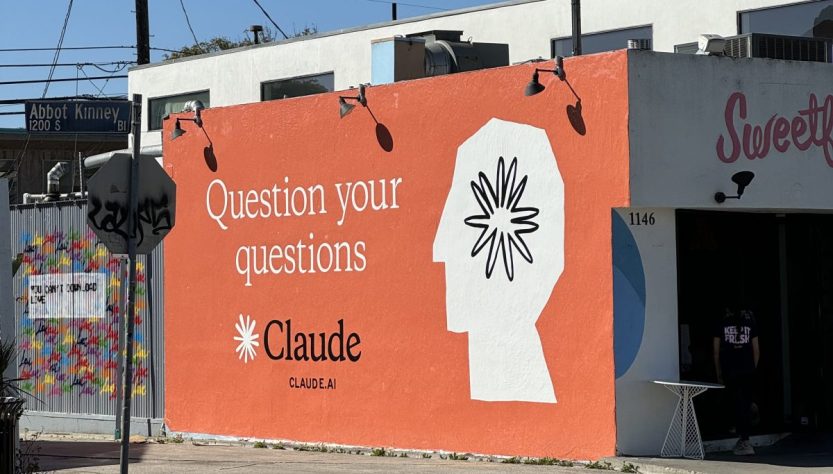
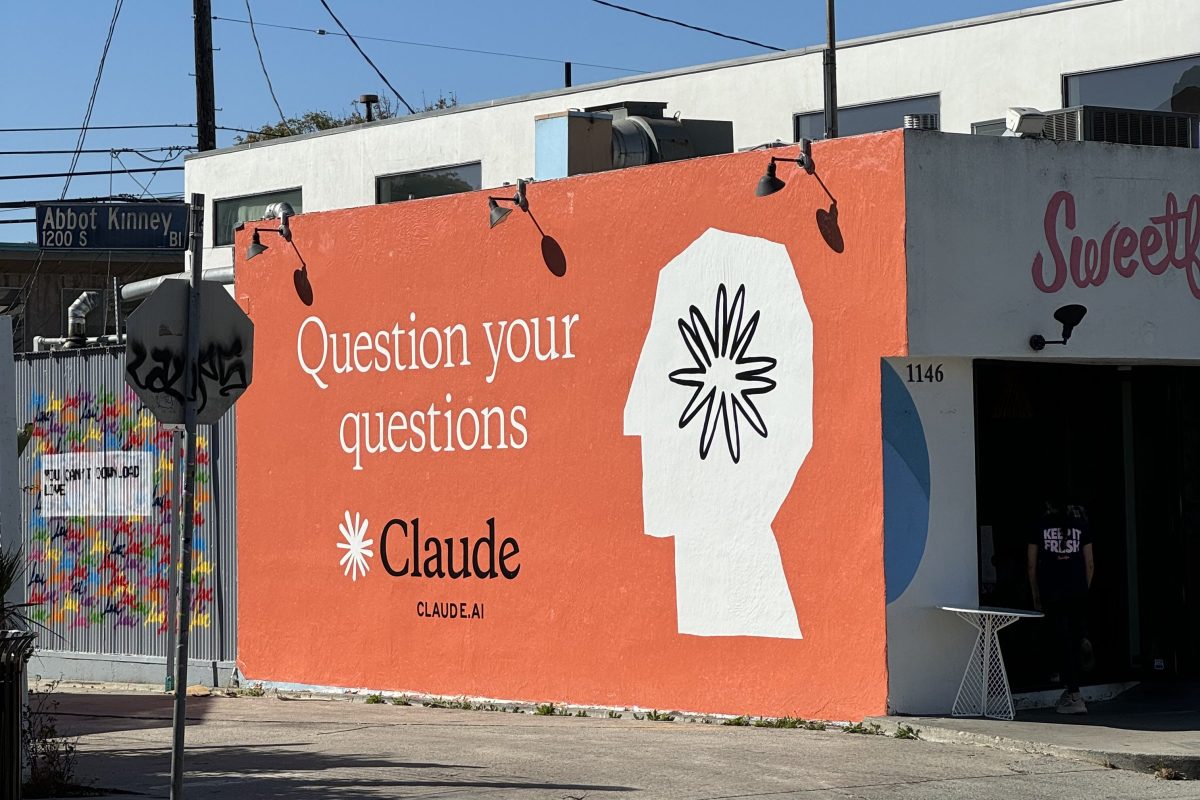
Naturally, I inquired about which chatbot was leading in popularity, and I repeatedly heard the same name: Claude.
Anthropic received mention in numerous panels throughout the week, and it was also a topic during my conversations with vendors while exploring the exhibition floor. The chatbot that didn’t come up frequently? ChatGPT. One vendor emphasized that he and his team relied heavily on Claude, expressing his sentiment that ChatGPT and OpenAI had seen a decline — or, as commonly phrased online, “fell off.”
Recently, this doesn’t seem to be an uncommon viewpoint. In fact, it remains uncertain what could change the belief that, despite a recent $122 billion funding influx and its impending IPO, OpenAI may have lost its edge—or at least, appears increasingly uncertain about its next steps.
Part of the issue could be a belief that the company lacks a clear direction. Last month, OpenAI discontinued several long-standing side projects (including its AI video generator Sora and a controversial plan to introduce a “sexy” version of ChatGPT), instead concentrating on business and coding solutions. Meanwhile, various developments, including a recent New Yorker article questioning the trustworthiness of the company’s CEO, Sam Altman, have sparked some negative attention surrounding the firm. The organization’s affiliations with the Trump administration haven’t garnered favor either, nor has its decision to incorporate advertising into ChatGPT.
During one of HumanX’s discussions, Sierra co-founder and CEO Bret Taylor (who also serves as the chairman of OpenAI’s board) defended Altman when questioned by Alex Heath about the New Yorker article. “I believe Sam is one of the most prominent leaders and executives globally,” Taylor remarked. “If you seek out critics of him, you will find them, and they will be quite vocal,” he continued, adding: “I find Sam to be outstanding. I consider him an exceptional AI leader, and I greatly trust his character as a person who has collaborated with him.”
The controversies and shifts may make OpenAI appear reactive rather than proactive, as if it is merely reacting to circumstances rather than influencing them. However, in terms of visibility and revenue, OpenAI and Anthropic seem to be closely matched — or at least, that’s the impression, with some data indicating that Anthropic is gaining traction among business clients. The Wall Street Journal recently assessed their financials, revealing that the two firms were “the fastest-growing enterprises in tech history.” In that light, perhaps “falling off” for OpenAI simply indicates it’s no longer the undisputed leader. It now faces competition — which is standard in most sectors.
Techcrunch event
San Francisco, CA
|
October 13-15, 2026
If anything, it remains evident that OpenAI is committed to maintaining its dominance. This week, the company revealed a new $100 subscription plan for ChatGPT that offers considerably more access to Codex, its coding utility. This initiative clearly appears aimed at enhancing the widespread use of the tool while hopefully attracting users away from Claude Code.
During a HumanX discussion with Bloomberg’s reporter Rachel Metz, OpenAI CTO of B2B applications Srinivas Narayanan highlighted how rapidly the technological landscape has been evolving.
“We are in a remarkable moment in technology, where each month, and sometimes daily, we all anticipate something new,” Narayanan stated. Highlighting agentic coding as an example, he added, “We knew AI would influence software engineering; people have been using assistive coding for the past year, but even in just the last few months, the entire field has shifted dramatically.”
Agentic achievements seem to be a focal point for the tech community at present since other AI applications (such as creative uses) have yet to fully materialize. Nevertheless, the extent of tasks that companies have started to delegate to their new automated assistants is somewhat astonishing—and, as Narayanan noted in his comments, all of this has occurred in a relatively brief time frame. In such an unpredictable landscape, the future remains open-ended.