
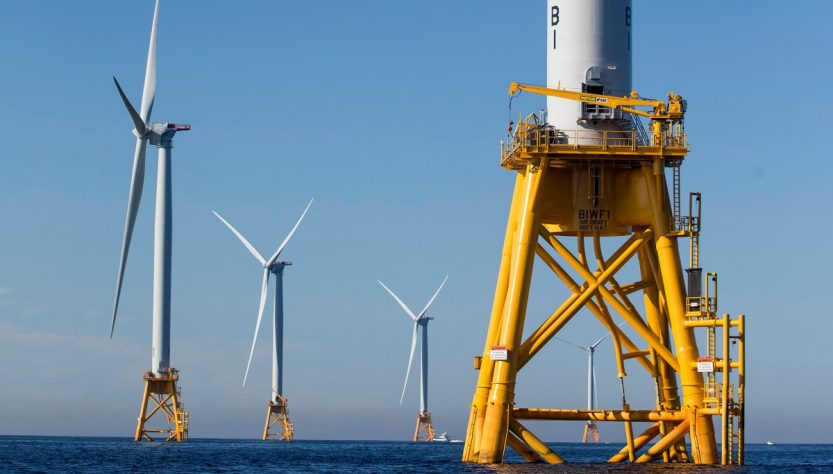
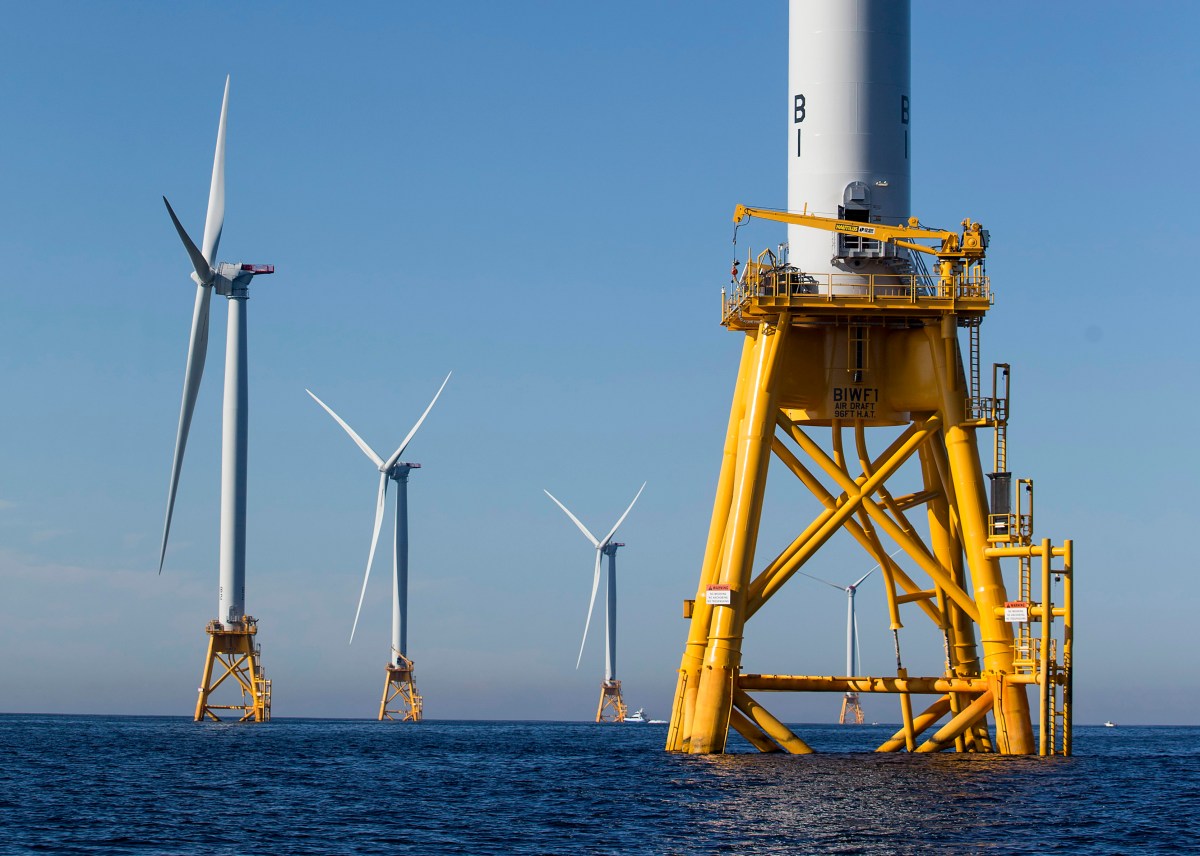
Delays in permitting instigated by the Trump administration jeopardize 92 gigawatts of renewable energy, even as the demand for electricity from AI data centers surges.
As per a recent study by consulting firm Wood Mackenzie, modifications in permitting and the withdrawal of federal funding have already resulted in the cancellation of 7 gigawatts of capacity generation on federal land for 2025. The increased scrutiny may lead to the cancellation of an additional 12 gigawatts on federal land and 80 gigawatts on private land.
The federal obstacles impact over $121 billion in energy sector investments, the report highlighted.
Electricity demand has risen in recent years following two decades with no increase, partly propelled by the growth of data centers to support the AI surge. Market analysts from BloombergNEF predict that the number and size of data centers will grow in the next decade, which will lead to their electricity consumption nearly tripling by 2035.
In the meantime, the Federal Energy Regulatory Commission is mandating grid operators to expedite grid connections, although it has done little to alleviate the bottleneck in new generating capacity, which has reached crisis levels in several areas. In the largest U.S. grid, which contains the most data centers, operators spent four years hindering new generating sources from connecting, effectively stalling supply amid rising demand. It’s no surprise that the public is dissatisfied, while tech companies are taking matters into their own hands by constructing their own power facilities on-site.
In instances where new power plants have been established in the U.S., renewables have contributed the most. Solar, batteries, and wind accounted for nearly 90% of the unprecedented 53 GW of new generating capacity added in 2025.
The heightened permitting challenges arose from a directive issued in August 2025 by Doug Burgum, U.S. Secretary of the Interior, aimed at “curtailing environmentally harmful wind and solar projects.”
While the primary focus has been on wind and solar, energy storage initiatives have also faced cancellations, as identified in the Wood Mackenzie report. The majority of the permitting difficulties are localized in Oregon, Alabama, Maine, Minnesota, and Montana.
Solar initiatives located on or near private wetlands seem to be at the greatest risk, whereas wind farms have been evaluated under airspace regulations. It remains uncertain how solar projects will be impacted in the forthcoming years following the Trump administration’s recent decision to remove protections for 80% of U.S. wetlands.
Burgum’s directive represents a significant departure from his earlier time as North Dakota’s governor, during which he facilitated the expansion of wind energy in the state and set a goal for reaching net-zero carbon emissions by 2030. As recently as 2024, he was extolling North Dakota’s abundant wind resources, which generated a third of the state’s electricity in 2022.
When you purchase through links in our articles, we may earn a small commission. This doesn’t affect our editorial independence.