
This week, Honda commenced the manufacturing of batteries intended for energy storage solutions, as reported by Nikkei Asia. This achievement positions Honda as the most recent automotive manufacturer to enter the thriving energy sector.
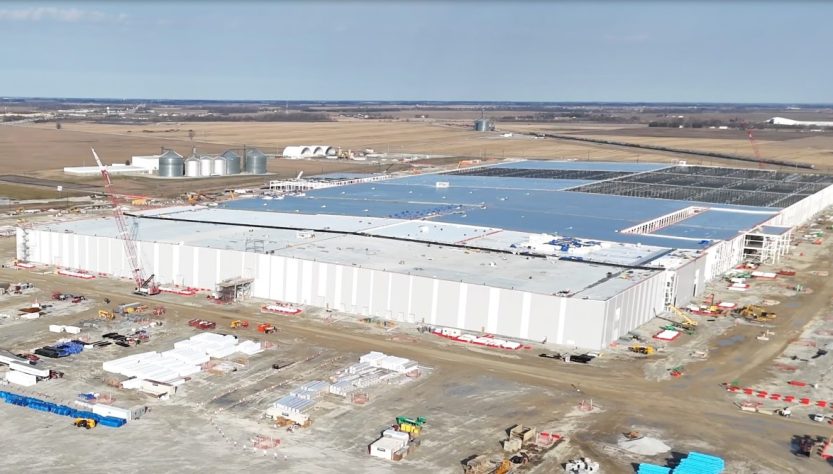
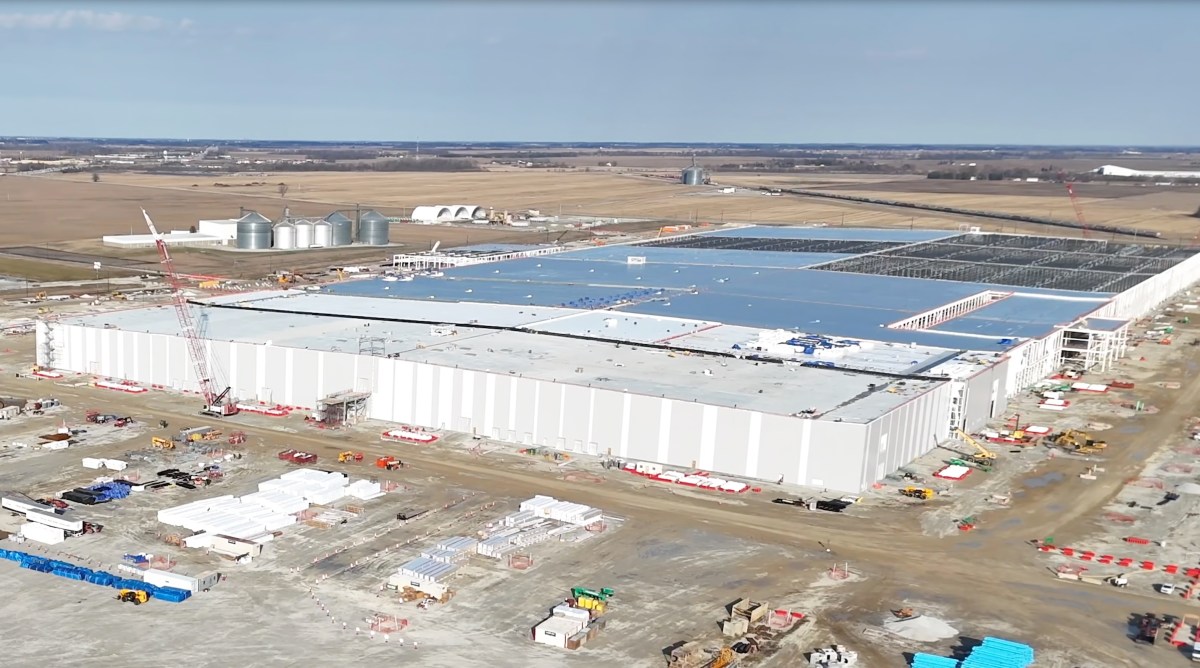
The automaker’s transition towards energy storage follows the cancellation of its EV initiatives in the U.S. just three months ago. The batteries for these EVs were planned to be produced at an Ohio facility, run by Honda in partnership with LG Energy Solution. Now, these battery cells will serve data centers instead of residential driveways.
Honda’s shift occurs amid waning demand for EVs in the U.S., attributed to the GOP’s termination of tax credits meant to boost EV and battery production domestically. Year-on-year sales of new EVs are declining, partly because consumers rushed to buy ahead of the tax credits, which were eliminated last September.
This uncertainty prompted Honda to make significant changes, scrapping three EV models set for the U.S. market. The automaker recorded a $15.7 billion write-down last fiscal year, partly to revise its EV strategy. The decline of its operations in China, a market where EV sales have surged, also contributed to the financial setback.
Nonetheless, despite the restructuring, Honda has not dissolved its joint venture with LG Energy. In common with other car manufacturers like Tesla, Ford, and GM, Honda has acknowledged that batteries represent a substantial business opportunity in their own right.
The stationary storage market has experienced remarkable growth, increasing by 32% year-over-year, according to findings by SEIA and Benchmark Minerals. In the initial quarter of this year, 9.7 gigawatt-hours of energy storage systems were installed, equating to enough batteries to produce approximately 120,000 EVs.
This rapid expansion is anticipated to persist. By the decade’s end, the report forecasts that 110 gigawatt-hours of energy storage will be deployed annually, nearly tripling the market’s size.
The market has proven to be lucrative as well. Tesla, which has captured the majority of current sales, generates 30% gross profits from its Megapacks and Powerwalls, roughly double its profit margin on vehicles.
Although many stationary batteries have been installed at data centers, a significant proportion is linked to the grid. As battery costs have decreased, they have established a considerable niche in stabilizing the grid while enhancing the reliability of wind and solar energy sources, making them more consistent generators.
While Honda may still be uncertain about its approach to the U.S. EV market, it is evident that the company aims to participate in the energy transition in some capacity.
When you buy through links in our articles, we may earn a small commission. This doesn’t influence our editorial autonomy.