
OpenAI has unveiled enhanced features for its software engineering agent Codex, extending its utility beyond a developer’s local machine with reusable cloud development environments accessible from any device.
The announcement, made during OpenAI’s Dev Day on Tuesday, is part of a series of updates for Codex. OpenAI also revealed an updated Codex CLI, a revamped code review process, tools for strengthening infrastructure, and additional API improvements.
Although Codex could already initiate cloud tasks for remote work, today’s update indicates that OpenAI is enhancing the persistence and configurability of those cloud environments, rather than viewing each cloud task as an isolated remote sandbox.
As described by the company, developers will now have the flexibility to operate Codex wherever necessary, whether it’s on a computer, remotely via a phone, or in the cloud. The reusable development environments aim to expedite task initiation and provide teams with a shared workspace featuring approved settings and permissions, according to OpenAI.
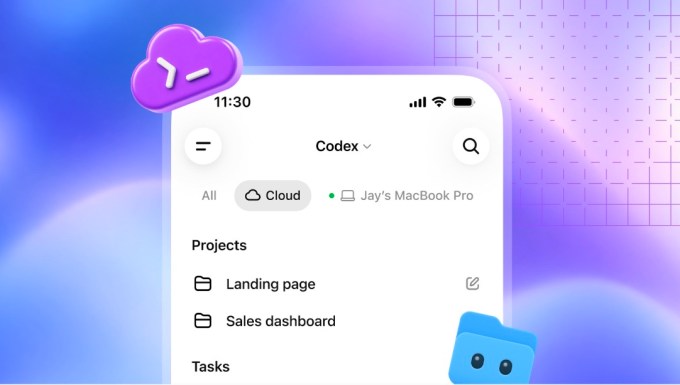
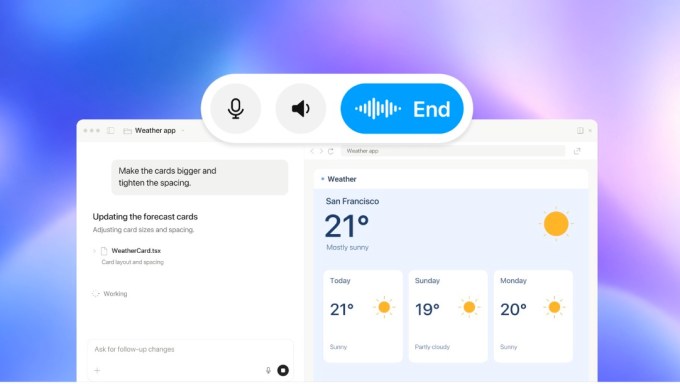
In addition, the Codex CLI is being updated to allow developers to initiate and manage tasks using voice commands.
A newly introduced /agents view is intended to simplify the delegation of work and the simultaneous tracking of multiple tasks. Other adjustments encompass enhancements to routine activities like editing prompts, resuming sessions, and utilizing worktrees. OpenAI is also launching a “cleaner” terminal interface aimed at improving readability during extended sessions.
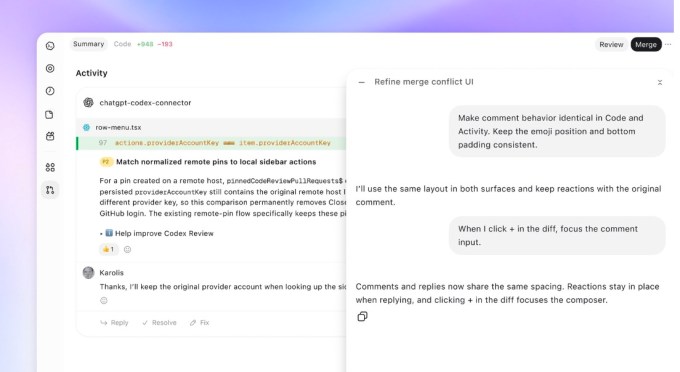
Codex can also be integrated into a new code review interface within the ChatGPT desktop application, allowing users to read summaries, review code modifications, or inquire about potential issues with Codex prior to providing feedback on GitHub pull requests or GitLab merge requests.
Automatic code reviews enable Codex to conduct an initial evaluation while users are away from their computers.
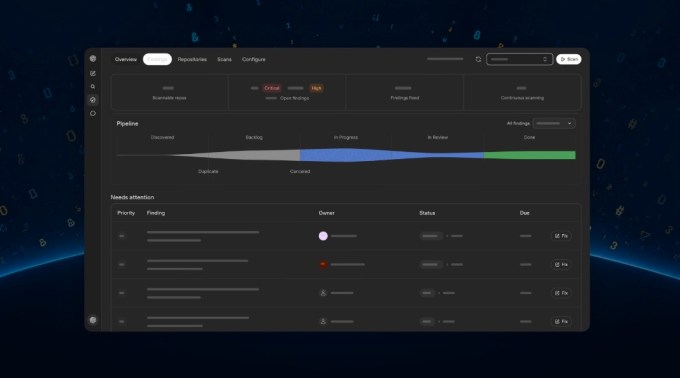
On the security front, OpenAI is launching a new suite of tools known as Codex Security Cloud, aimed at assisting developers in securing their infrastructure. Developers can utilize these tools to scan complete GitHub repositories either on demand or according to a regular schedule, as well as upon the arrival of new commits. Codex will subsequently analyze findings, eliminate duplicates, and prepare fixes in the cloud—even when the user is inactive and their computer is powered off.
Importantly, the toolkit includes access to the models provided through OpenAI’s cybersecurity program Daybreak Blue, without necessitating developers to file a distinct application.
Additionally, OpenAI revealed multiple API updates, such as a new Decisions API designed for real-time decision-making. This API utilizes Luna to respond to a collection of user-defined inquiries with preset answers. The firm has also introduced an enhanced version of the Agents API that now accommodates computer operations and integrates Amazon’s Bedrock Managed Agents to develop OpenAI agents that operate exclusively on AWS.
When you purchase through links in our articles, we may earn a small commission. This doesn’t affect our editorial independence.