
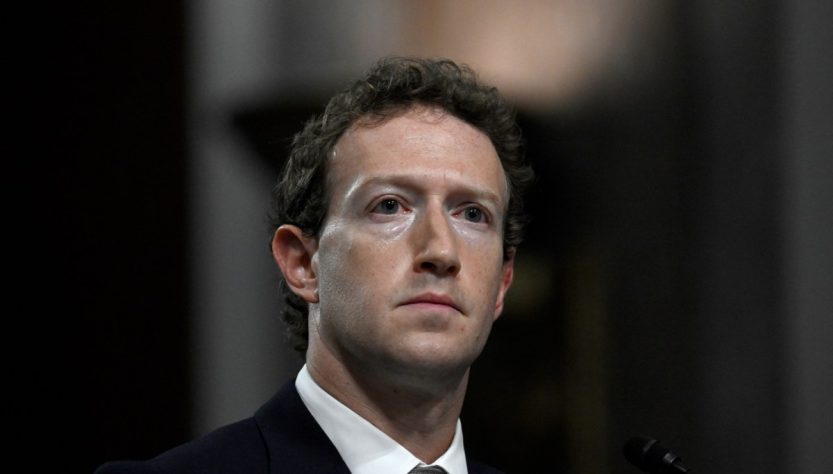

Instagram monitored the amount of time users engaged with its application, with company leaders highlighting “milestones” that the app achieved over the years. Daily usage of the app increased from 40 minutes per day in 2023 to 46 minutes per day in 2026, according to documents that surfaced during CEO Mark Zuckerberg’s testimony in a state court case that occurred in Los Angeles County Superior Court in February.
The emphasis on time-spent statistics is a crucial element of the lawsuit, representing one of Zuckerberg’s rare moments in front of a jury.
In K.G.M. v. Platforms et al., currently in progress in L.A. County’s Superior Court, a jury is tasked with determining whether social media companies bear responsibility for mental health issues among youth linked to their platforms or their addictive features. Snap and TikTok reached settlements before the trial commenced, while executives from other defendants, Meta and YouTube, are testifying as part of the proceedings.
The 19-year-old plaintiff, identified by the initials K.G.M. or “Kaley,” asserts that engaging with social media at an early age had a detrimental effect on her mental health, leading to an addiction to technology and the development of depression, including suicidal thoughts.
Meta contests that its app is to blame for Kaley’s issues.
“The jury in Los Angeles must consider whether Instagram was a significant factor in the plaintiff’s mental health challenges. The evidence will indicate that she encountered numerous serious, challenging obstacles long before she ever used social media,” stated Meta spokesperson Stephanie Otway in an emailed comment regarding the case.
Legal representatives for the plaintiffs aim to demonstrate that Meta established internal goals to enhance the amount of time users spent on Instagram, despite being aware of underage individuals on the platform. During Zuckerberg’s testimony, he was questioned on why he informed Congress in 2024 that children under 13 were prohibited from using Instagram, when internal records revealed that the company was aware of around 4 million children under 13 on the app as early as 2015. The document also indicated that this number represented 30% of all 10- to 12-year-olds in the U.S.
Zuckerberg defended himself against this line of questioning, asserting that he responded to Congress truthfully regarding the company’s policy, and mentioned that Instagram eliminated underage users it discovered. He also sought to clarify that the “milestones” the company tracked were not equivalent to specific “goals” set for Instagram’s team to accomplish.
However, additional documents cited by the plaintiff’s legal team during his testimony illustrated Instagram’s increasing focus on the tween and teenage demographics, with emails from a former product manager stating, “Our overall company goal is total teen time spent,” and that “Mark has determined that the company’s top priority for the first half of 2017 is teens.” Another market analysis in December 2018 revealed that tweens constituted the “highest retention age group” in the U.S., implying the company’s interest in this demographic.
Another email from Zuckerberg adviser Nick Clegg, who departed the company last year, highlighted that Instagram’s age restrictions were essentially “unenforceable.”
Despite awareness of underage users on its platform, Instagram did not take measures to address its existing underage users until August 2021, when it started requiring users to input their birth dates, the plaintiff’s lawyers contended. (Meta responded that it began requesting ages at the time of sign-up in 2019 for new users, however.)
While Instagram has recently implemented a series of protections for teens and parental controls, its targeting of the younger demographic persists. Other internal documents referenced in this testimony indicated that Meta’s current ambition is for Instagram to be the largest platform for teens by monthly active users both in the U.S. and globally this year.
If you or someone you care about is contemplating suicide or needs to talk, there are people ready to help. Call or text 988 to reach the National Suicide Prevention Lifeline.
This article was amended after publication to clarify that this is not Zuckerberg’s first instance before a jury, as he previously participated in a trial focused on Meta’s VR technology.