

Bumble, the dating app developer, is diving into generative AI technology. In the company’s fourth-quarter earnings call on Wednesday, Bumble unveiled a new AI assistant named “Bee,” aimed at becoming a personalized matchmaker that discovers users’ “values, relationship goals, communication style, lifestyle, and dating intentions” through private messaging. This information is then utilized to find the user more suitable matches.
As of now, Bee is in the pilot stage and is being tested internally, Bumble’s founder and CEO Whitney Wolfe Herd informed investors, with plans to launch a beta version soon.
Through Bee, the company aims to gather significantly more data about Bumble users, as it gains insight into each user’s unique narrative and desires. This could set Bumble’s platform apart from competitors like Tinder, which recently underwent significant changes as interest wanes among Gen Z users.
Bumble states that users will engage with Bee similarly to other AI chatbots, using both typing and natural conversation.
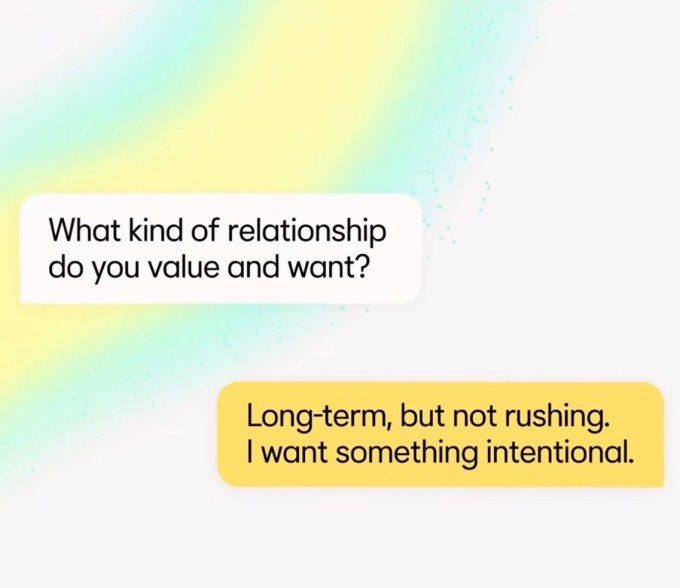
Initially, Bee will be utilized to facilitate a new dating feature called “Dates,” which employs AI to suggest potential matches. However, in the future, Bumble plans for Bee to expand into other functionalities, such as providing date ideas or gathering anonymous feedback from previous matches.
Within “Dates,” Bee will start by gathering information about the user through a private onboarding dialogue. It will then match two individuals with aligned intentions, values, and relationship objectives. Both users will receive a notification within the app, outlining why they are a compatible pair.
This enhancement is part of a larger technological and AI-centric upgrade to the dating app, which has historically promoted itself as prioritizing women’s needs. The company has introduced features such as “women message first,” bans on body shaming, and tools to obscure unsolicited explicit photos, among others.

Now, Bumble seeks to leverage AI to stimulate user growth, particularly in a dating landscape where younger individuals, especially Gen Z, are becoming disenchanted with the swiping method.
Indeed, Herd mentioned that Bumble would try out removing the historically popular swipe feature in certain markets to gauge user reactions. Instead of treating swipes as a binary response of “yes” or “no,” Bumble aims to utilize alternative features, such as new “chapter-based” profiles, allowing users to connect over different aspects of their life story. This approach will provide Bumble with more data to enhance its AI systems and algorithms.
“We will be implementing more interactive ways for individuals to show interest in your narrative, beyond just your profile, which is going to foster more dynamic engagement, inspire better discussions, and ultimately enhance KPIs across the spectrum — such as engagement levels and the likelihood of stimulating richer conversations,” Wolfe Herd stated. “You will also see us adopt a far more intentional strategy to facilitate offline interactions rather than confining people to what many describe as dead-end chat spaces.”
The company is also exploring additional methods to cater to Gen Z, a demographic that frequently favors group interactions over solitary dates to familiarize themselves with others.
Bumble has been striving to incorporate AI into its app for several years, introducing changes like AI photo selection and feedback tools, as well as innovations in safety features. Wolfe Herd informed investors that Bumble’s back-end infrastructure has been revamped to integrate AI seamlessly into the app.
The company reported earnings that exceeded expectations in Q4, with revenue reaching $224.2 million, and an average revenue per paying user increasing by 7.9% to $22.20. The stock surged nearly 40% following this announcement.