

Bumble, the creator of a dating app, is embarking on a journey into generative AI. During Wednesday’s fourth-quarter financial report, Bumble unveiled a novel AI assistant named “Bee,” aimed at functioning as a personal matchmaker that understands users’ “values, relationship ambitions, communication styles, lifestyles, and dating goals” through private conversations. It subsequently utilizes this information to assist users in finding more suitable matches.
At present, Bee is undergoing a pilot program and is being evaluated internally, as shared by Bumble’s founder and CEO Whitney Wolfe Herd with investors, but it is set to be launched in beta shortly.
With Bee, the company envisions the ability to gather significantly more data about Bumble users, as it uncovers more about each person’s narrative and true desires. This could set Bumble’s app apart from competitors like Tinder, which has also recently been revamped amid a decline in engagement from Gen Z users.
Bumble states that users will interact with Bee in a manner similar to other AI chatbots, through typing and engaging in a more conversational tone.
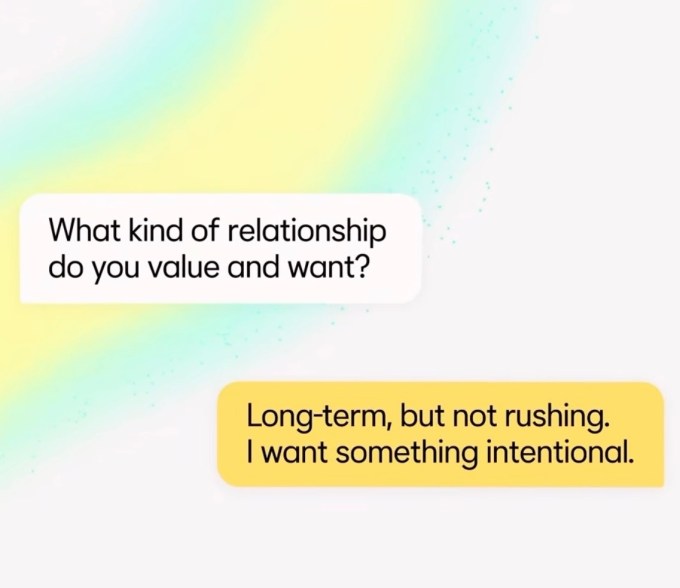
Initially, Bee will serve as the foundation for a new dating feature called “Dates,” which employs AI to suggest potential matches; however, Bumble has plans for Bee to branch out into additional functionalities in the future, such as providing date ideas or soliciting anonymous critiques from previous matches.
Within “Dates,” Bee will begin by gathering information about the user through a private onboarding chat. It will then pair two individuals who share similar intentions, values, and relationship aspirations. Both users will receive a notification in the app detailing why they are a good match.
This addition is part of a larger technology and AI-driven revamp of the dating app, which has thus far positioned itself as more attuned to women’s requirements. The company was a pioneer in introducing features like “women message first,” banning body shaming, and implementing tools that obscured unwanted explicit images, among other innovations.

Now, the company aims to utilize AI to regain user growth in a dating landscape that observes younger demographics, particularly Gen Z, becoming disillusioned with the swiping mechanism.
In fact, Herd indicated that Bumble would trial the removal of the well-established swipe feature in selected markets to assess user feedback. Rather than emphasizing swipes as a binary “yes” or “no,” Bumble is pursuing alternative features, including new “chapter-based” profiles that allow members to connect over different aspects of a user’s life narrative. This will provide Bumble with additional data to enhance its AI systems and algorithms.
“We will be introducing more adaptable ways for individuals to show interest in your narrative, rather than simply your profile, and this is going to foster more vibrant engagement, ignite better conversations, and ultimately improve KPIs overall — such as engagement and the likelihood of initiating better discussions,” Wolfe Herd stated. “You will also notice a more intentional approach to facilitating offline interactions rather than remaining in what are commonly referred to as dead-end chat zones.”
The company is also exploring different methods to better accommodate Gen Z, a group that frequently favors group social interactions over one-on-one meetings to get to know others.
Bumble has been focusing on incorporating AI into its platform for years, implementing adjustments like AI-powered photo selection and feedback tools, as well as enhancing safety features. Wolfe Herd informed investors that Bumble’s backend infrastructure has been revamped to integrate AI more thoroughly into the app.
The company reported earnings that exceeded expectations in Q4, with revenue reaching $224.2 million and average revenue per paying user climbing by 7.9% to $22.20. The stock surged about 40% following this news.