
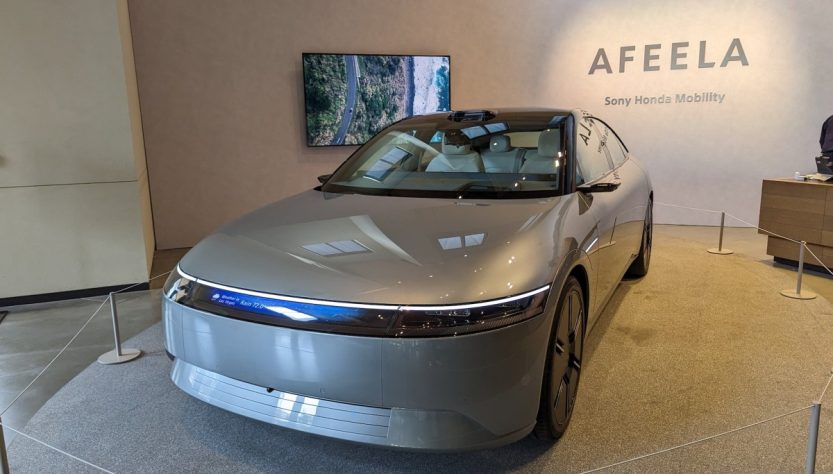
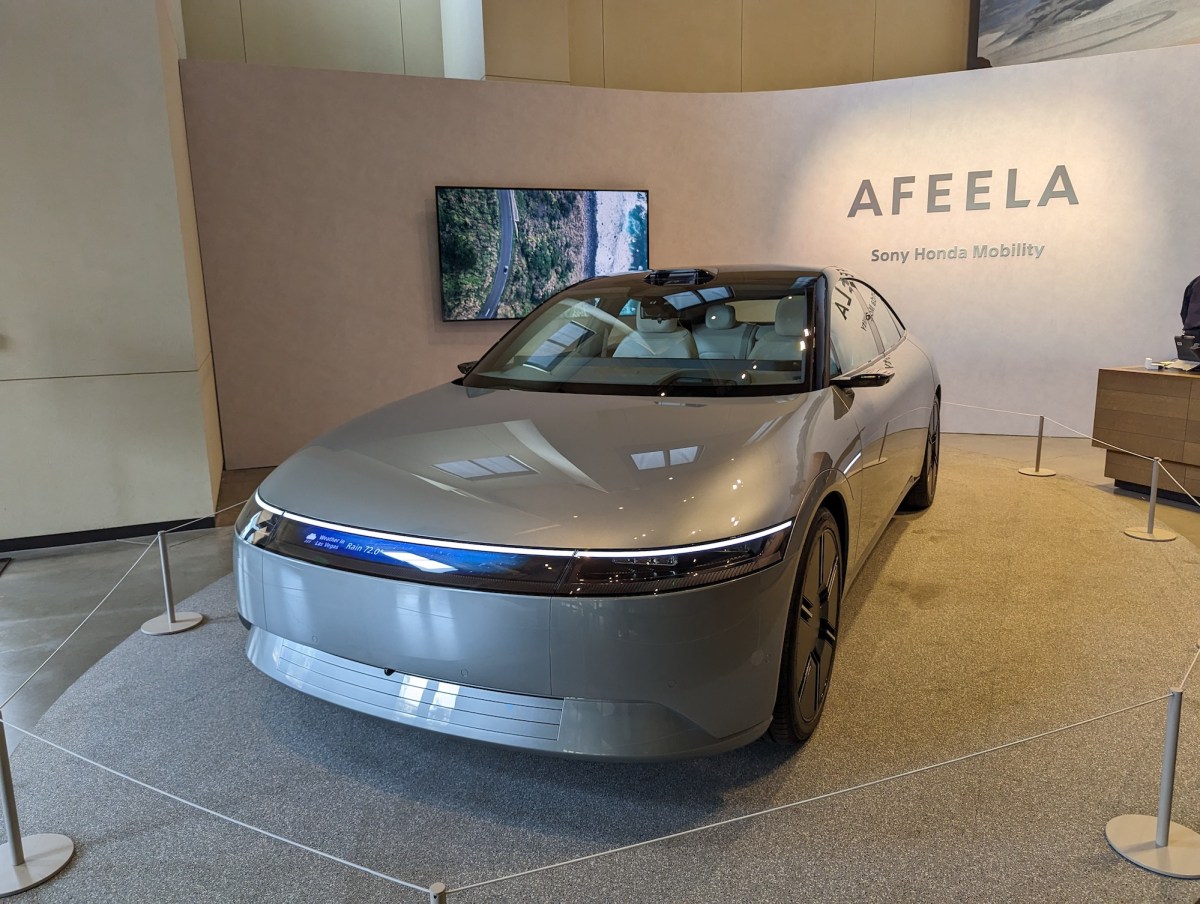
Sony Honda Mobility, the collaboration formed by the two Japanese giants, has chosen to abandon the two “Afeela”-branded electric vehicles that it has been working on for the last few years.
This choice follows Honda’s announcement earlier this month regarding a significant reversal, leading to the cancellation of three electric vehicles intended for the U.S. market — a move that could cost the Japanese carmaker nearly $16 billion. Honda cited President Trump’s tariffs and increasing competition from China as factors in this decision.
Sony Honda Mobility announced on Wednesday that it had intended to utilize “certain technologies and assets” from Honda to create and support the Afeela sedan and SUV, explaining that Honda’s shift in strategy has left the partnership unable to proceed with the development of these vehicles. The Afeela 1 sedan was set to debut later this year with a staggering starting price of approximately $90,000.
The future of the joint venture, and the several hundred employees it has in Tokyo and California, remains uncertain. Sony Honda Mobility stated in a press release on Wednesday that it will “continue to discuss and evaluate the future of” the venture with Sony and Honda, indicating that the parties will “jointly announce SHM’s future direction, mid to long-term positioning as well as contributions to the future of mobility at the earliest possible opportunity.”
The world first became aware of Sony’s ambitions to create a car at the 2020 Consumer Electronics Show, when the electronics behemoth unveiled a concept vehicle known as the Vision-S at the conclusion of its keynote presentation. This unexpected reveal caught even Sony off guard regarding the level of interest the prototype garnered.
Initially, it appeared that the Vision-S was designed to highlight Sony’s entertainment and electronics capabilities. It boasted a screen that spanned the dashboard, 360 audio, screens for rear passengers, and a collection of 33 sensors around the vehicle. “This prototype embodies our contribution to the future of mobility,” stated then-CEO Kenichiro Yoshida during the event.
The Vision-S was also reportedly a functioning vehicle, built on a platform supplied by leading automotive supplier Magna. It has never been entirely clear whether Sony’s initial intention was to build a real car. However, in 2022 the partnership with Honda was announced, with commitments to develop the sedan and an SUV version. In 2023, both companies introduced the Afeela branding.
Techcrunch event
San Francisco, CA
|
October 13-15, 2026
The U.S. electric vehicle market has transformed dramatically since that time, impacted by tariffs and the Trump administration’s withdrawal from initiatives that promoted EV adoption. Numerous EV-centric startups have gone bankrupt. Others have shifted to hybrids and postponed their releases. Major automakers have scrapped plans for various electric vehicles in the pipeline. The federal EV tax credit has vanished, although state incentives persist.
The market prospects for the Afeela electric vehicles appeared dubious even before Honda’s recent announcement. The joint venture was entering a market already saturated with luxury vehicles boasting stronger branding (like Rivian) and cutting-edge technology (like Lucid Motors). The last decade has demonstrated that launching a new and sustainable automotive business in the U.S. is an exceptionally challenging undertaking, even for companies with substantial institutional support.