
Oil prices soared on Monday following the United States and Israel’s assault on Iran over the weekend, with forecasts indicating that prices might surpass $100 a barrel. Increasing assaults on regional oil and gas facilities, coupled with blocked traffic in a crucial shipping lane, have experts asserting that the actions of the White House and responses from Iran and other oil producers will be pivotal in shaping future prices.
Brent crude prices surged to almost $80 a barrel—a 13 percent increase since Friday—when markets opened on Sunday evening. Tyson Slocum from Public Citizen highlights that the potential risks of the US’s confrontational approach toward Iran had already been integrated into market values, averting an even steeper rise. Nonetheless, the chaotic US reaction post-attack on Ayatollah Ali Khamenei, Iran’s supreme leader, has added more unpredictability.
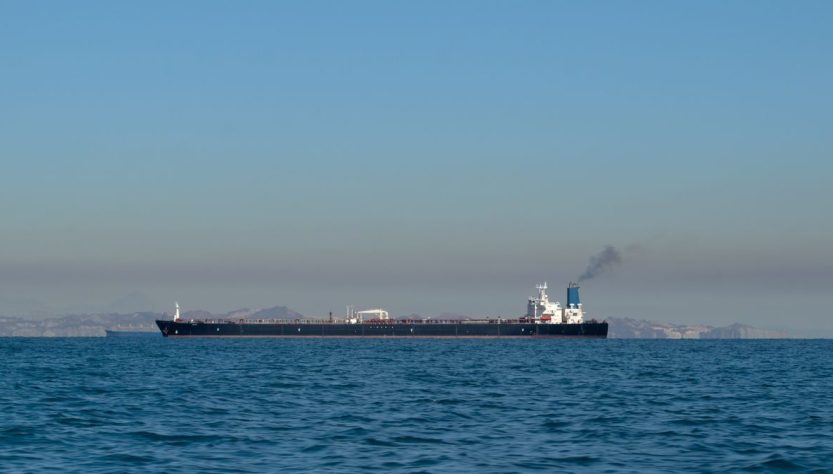
Iran governs the Strait of Hormuz, a vital shipping corridor. One-fifth of the globe’s oil transits through this route. OPEC nations depend greatly on it to sell their oil. Rory Johnston, a Canadian oil market analyst, mentions that OPEC would typically boost production during a crisis, but its supplies are situated on the opposite side of the conflict zone, limiting its capacity to respond.
Throughout the weekend, while Iran conveyed mixed signals regarding the formal closure of the strait, traffic significantly diminished. Insurance costs for vessels navigating through the strait have surged, and several ships have faced attacks. Johnston characterizes the scenario as a “voluntary closure.”
The likelihood of worsened outcomes persists if regional tensions escalate. In 2019, drone assaults on Saudi oil installations increased oil prices by 15 percent. Similarly, recent drone strikes compelled Saudi Arabia to shutter a refinery, and Qatar’s LNG production was interrupted, triggering a rise in European gas prices. Should these assaults persist, prices may skyrocket.
Clayton Seigle from the Center for Strategic and International Studies cautions that growing Iranian desperation might lead to leveraging energy as a bargaining chip. Should Gulf trade be abandoned or significant oil infrastructure be compromised, prices reaching triple digits could make a comeback.