
Stripe, a financial services platform, is unveiling a digital wallet designed for the age of AI, where autonomous agents can handle tasks like shopping, making reservations, purchasing tickets, and more.
During its annual event this week, the company launched Link, a wallet that enables users to connect different payment options, monitor their spending, and manage their recurring subscriptions. Additionally, it allows for the integration of AI agents to spend on your behalf, safely.
Available on the web, iOS, and Android, Link provides many expected features of a digital wallet. Users can link various payment options such as cards, bank accounts, crypto wallets, and buy-now/pay-later services, as well as save crucial information for online checkouts, including billing and shipping details.
Link also includes practical functions, such as tracking your expenditures and recurring subscriptions—allowing updates to the payment methods kept on file, when necessary. Furthermore, it offers 90 days of buyer protection on qualified purchases from select merchants.
What makes Link particularly intriguing is its capacity to collaborate with autonomous AI agents, like OpenClaw and others.
The interest in autonomous AI is surging, evident from Apple selling out its base model Mac Minis, a favored platform for deploying these always-active AI agents. Nonetheless, some users (with good reason) hesitate at the notion of sharing raw payment data with an agent, despite the convenience of automating various bookings.
Link aims to provide a remedy, allowing users to connect their AI agents and grant them spending permissions without revealing their payment information.
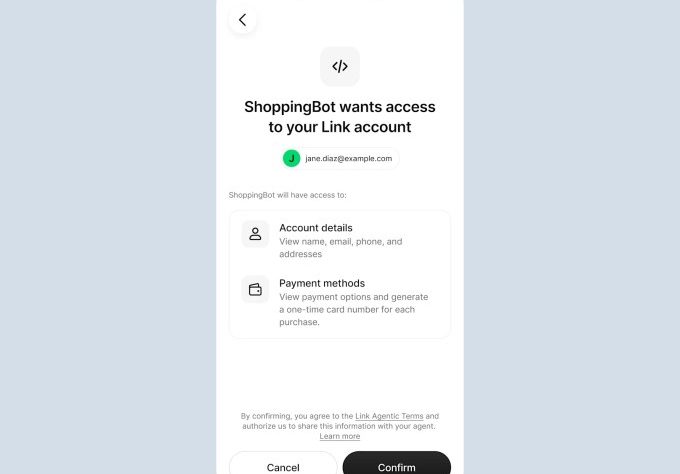
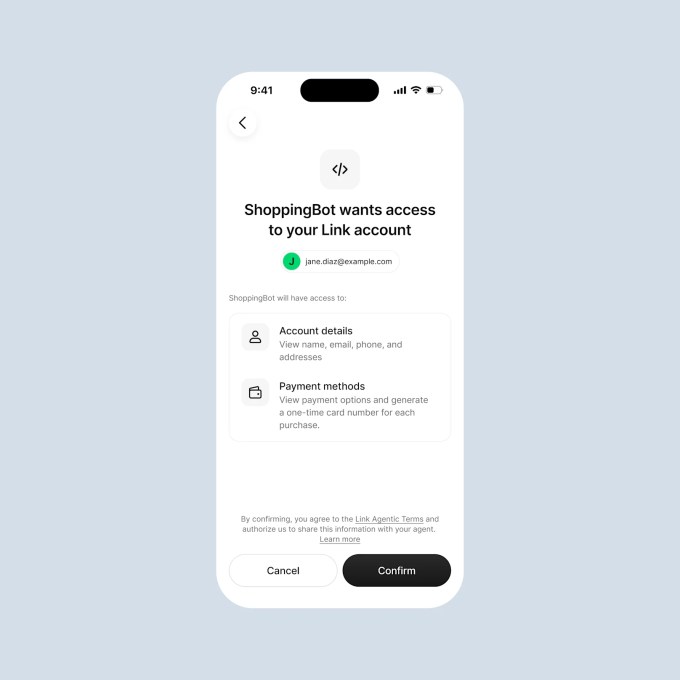
For functionality, users must first allow their agent access to the Link wallet through an OAuth (standard authentication) process. The agent can then submit a spending request, offer context, and await approval. Currently, it supports traditional payment methods, but Stripe indicates that compatibility with agentic tokens, stablecoins, and other payment forms is forthcoming “soon.”
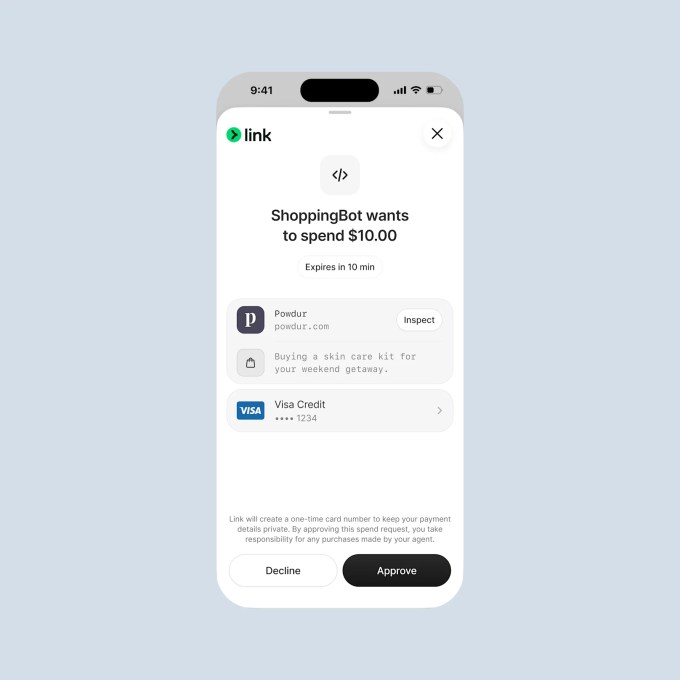
Users on mobile and web will receive a notification to authorize the spending request, necessitating a review of the transaction beforehand, before the payment details are disclosed to the AI agent. Looking ahead, Stripe mentions plans to broaden its control options, enabling users to set their own spending limits or designate when their agents can operate without prior approval.
The wallet is based on Stripe’s new Issuing for agents, which allows users to create virtual cards for agents to make independent purchases, with real-time authorization, spending controls, and complete transaction transparency. Rather than giving an agent direct access to your payment data, users can opt to provide agents programmatic access to Link, resulting in a single-use card, or they could utilize a Shared Payment Token (SPT), which is supported by payment cards and banks.
According to Stripe, developers and companies creating agents or AI personal assistants can also leverage Link’s wallet rather than building their own from the ground up.
When you purchase through links in our articles, we may earn a small commission. This doesn’t affect our editorial independence.