
An anti-doomscrolling mechanism has now been integrated into Android. (Indeed, the situation has become that dire.)
On Tuesday, Google revealed Pause Point, a feature aimed at preventing users from becoming absorbed in addictive applications on Android, the mobile operating system that powers Google’s Pixel devices, Samsung smartphones, and more.
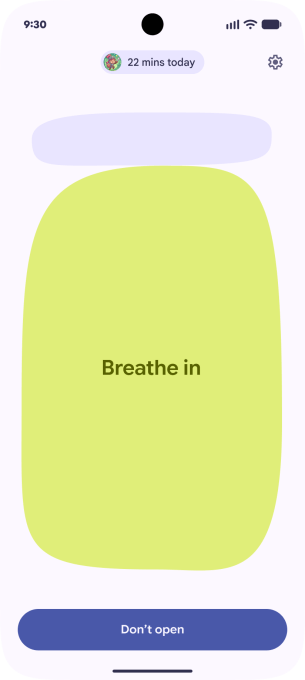
Pause Point operates by mandating a 10-second delay after opening any app identified as a distraction by the user. TikTok, Instagram, X, and even Google’s YouTube might be categorized as “distracting” by Android users concerned about the influence of time-consuming algorithms on their daily routines.
With this feature, Google isn’t solely focused on users’ well-being.
It is also responding to mounting regulatory scrutiny regarding social media risks and algorithmic threats. Presently, numerous countries and U.S. states have enacted legislation to restrict or prohibit minors from accessing social media, as the effects of these applications on the mental health of young individuals have become more apparent.
Google can now highlight a feature like Pause Point to assert its role in being part of the solution rather than the issue.
“Android is more advanced than ever, but we also want to provide you with the tools to disconnect when necessary,” said Dieter Bohn, former executive editor at The Verge and current director of product operations for Google’s Platforms & Ecosystems team, during a press briefing regarding the Android 17 update.
“I believe we are all guilty of picking up our phone and opening an app, only to get stuck in autopilot, with an hour disappearing,” he mentioned.
Until now, social media application developers, including YouTube, have turned to app timers to remind users to take breaks or stop scrolling. Pause Point reverses that concept, interrupting app launches — and the dopamine rush that ensues — to compel users to pause and reconsider if this is truly what they wish to do, or merely a habit they want to overcome.
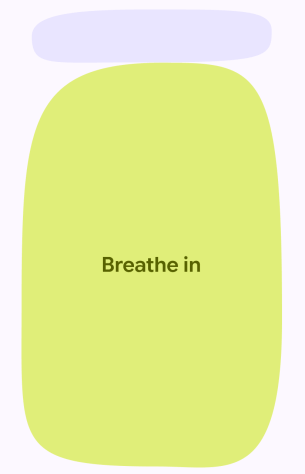
Google suggests you could utilize the time allowed by Pause Point to engage in a brief breathing exercise or to contemplate alternative activities instead of scrolling. For example, the feature can recommend more productive applications, such as a preferred fitness app, an audiobook application, the Kindle or Google Play Books application, and others.
Alternatively, you can browse through some favorite photos for inspiration — perhaps ones that remind you of other enjoyable activities, such as walking outdoors, spending time with your pets, or engaging in crafts.
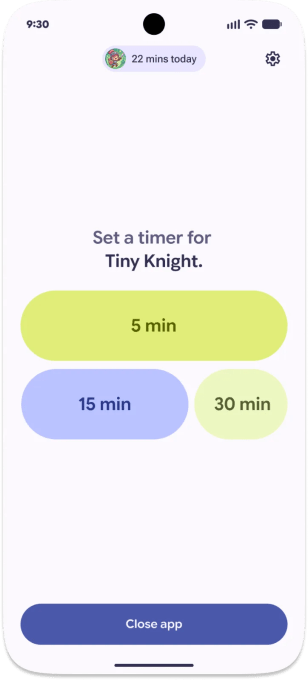
Additionally, Pause Point allows users to set an app timer before they begin, making the time spent in the app feel more deliberate from the outset. This could be more effective than a standard timer, which is fixed for the same duration, regardless of the situations prompting you to take a break from scrolling.
The feature is also more challenging to disable than typical app timers, many of which can be easily ignored. In contrast, Pause Point requires a phone restart to turn it off, according to Google, which also encourages reflection before deactivation.
While Pause Point may not be as entertaining (or charming) as screen-time-focused or self-care applications like Finch or Hank Green’s Focus Friend, it benefits from being integrated into Android itself, which could enhance its adoption.
When you purchase through links in our articles, we may earn a small commission. This doesn’t affect our editorial independence.