
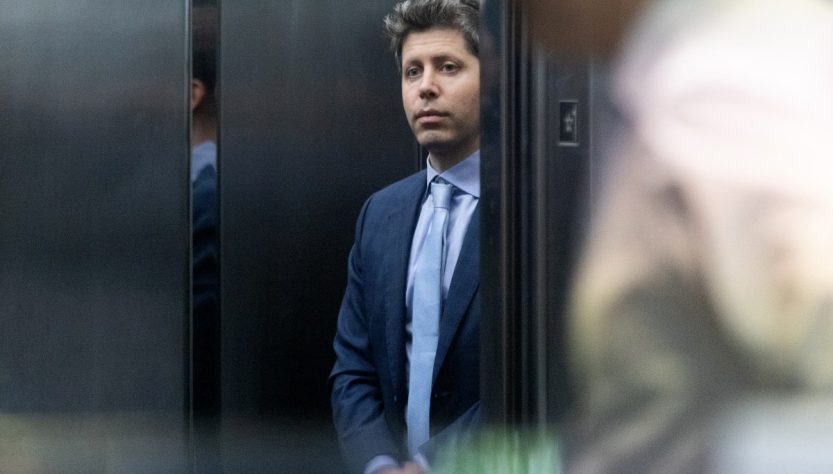
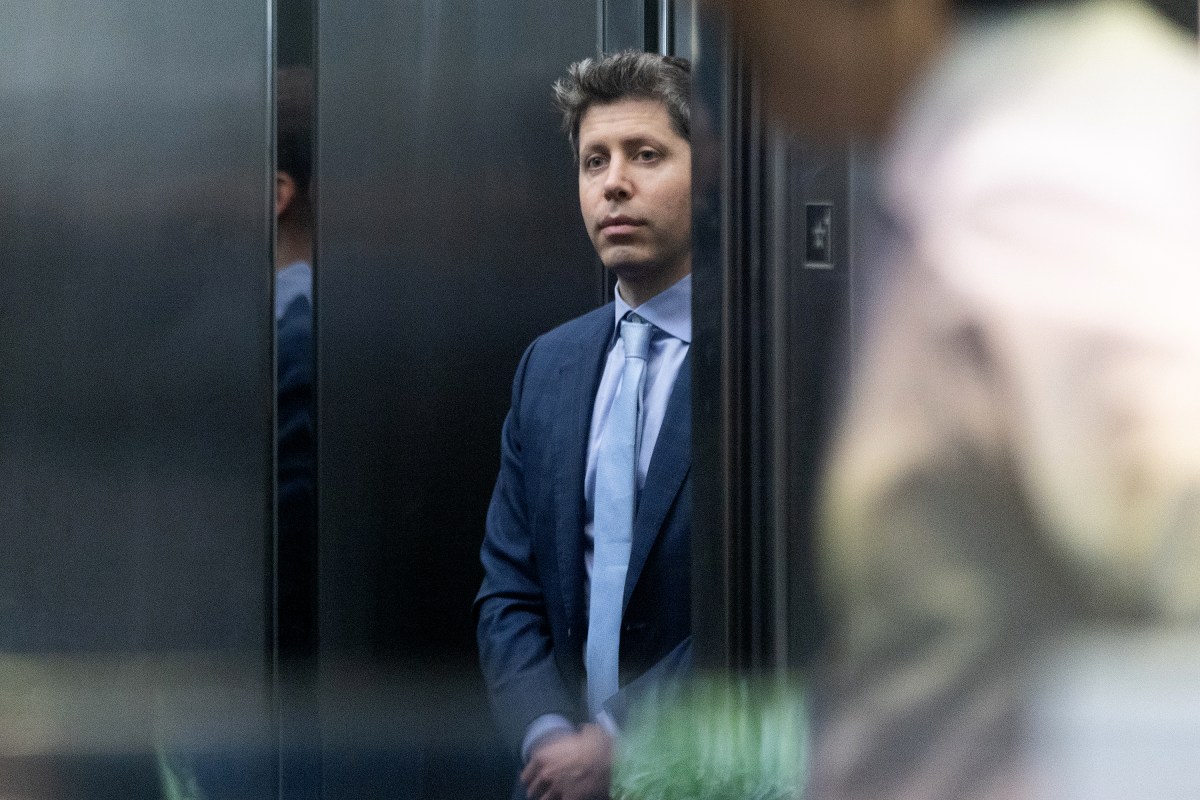
This morning, OpenAI CEO Sam Altman took the stand to respond to a lawsuit from his former co-founder Elon Musk that questions OpenAI’s corporate framework.
Immediately, Altman was questioned about Musk’s claim that OpenAI’s other founders “took a charity” when they set up a for-profit branch to commercialize products based on the company’s AI technologies.
“It’s hard to even comprehend that narrative,” Altman remarked following a brief silence. “We established one of the largest philanthropic organizations globally. This foundation is accomplishing remarkable work and will achieve much more.”
Musk’s legal team has emphasized that OpenAI’s foundation, now valued at around $200 billion, did not have full-time staff until recently. OpenAI board chair Bret Taylor testified today that this was solely due to the difficulties in converting OpenAI equity into liquid assets, a feat accomplished with the recent restructuring in 2025.
The primary issue raised by Musk’s attorneys is whether the company’s pledge to safety had been neglected as it expanded commercially. However, Altman noted that in 2017, during a key moment when the founders struggled to secure funding for their AI models, Musk’s “particular plans on safety caused me concern.”
He recounted a “notably troubling moment” in the discussion when Musk was queried about what would transpire if he passed away while managing a hypothetical for-profit OpenAI. According to Altman, Musk stated, “Perhaps OpenAI should go to my children.”
Altman expressed that Musk’s fixation on controlling the initial for-profit raised alarms because OpenAI was committed to preventing advanced AI from being monopolized by an individual, and Altman, with his background in managing the well-known startup accelerator Y Combinator, was aware that “founders with control typically did not relinquish it.”
Altman also testified that Musk’s management style, which may have been effective for engineering and production, did not translate well to OpenAI.
“I don’t think Mr. Musk grasped how to effectively run a strong research institution,” Altman stated. “He demotivated some of our most crucial researchers. He had required Greg and Ilya to create a list of the researchers, outline their achievements, and rank them, resulting in significant damage to the organization’s culture for an extended period.”
In fact, Altman positioned himself as a defender of the “sweat equity” of fellow co-founders Greg Brockman and Ilya Sutskever, the individuals effectively managing OpenAI at the time while Musk and Altman were engaged in other endeavors.
Following that unresolved conflict, Musk eventually departed from OpenAI’s board and initiated competing AI initiatives at Tesla and his own AI venture, xAI. Nonetheless, Altman remained in contact with the unpredictable entrepreneur, providing updates on OpenAI’s progress and seeking his financial support and counsel.
OpenAI’s attorneys pointed out that Musk had been kept informed and invited to partake in the investments that his lawsuits now allege corrupted the non-profit.
During a discussion regarding a Microsoft investment in OpenAI in 2018, Altman shared that “contrary to many meetings with Mr. Musk, this was a positive meeting,” during which Musk engaged in a “lengthy conversation sharing memes from his phone.”
When you buy through links in our articles, we may earn a small commission. This doesn’t influence our editorial independence.