
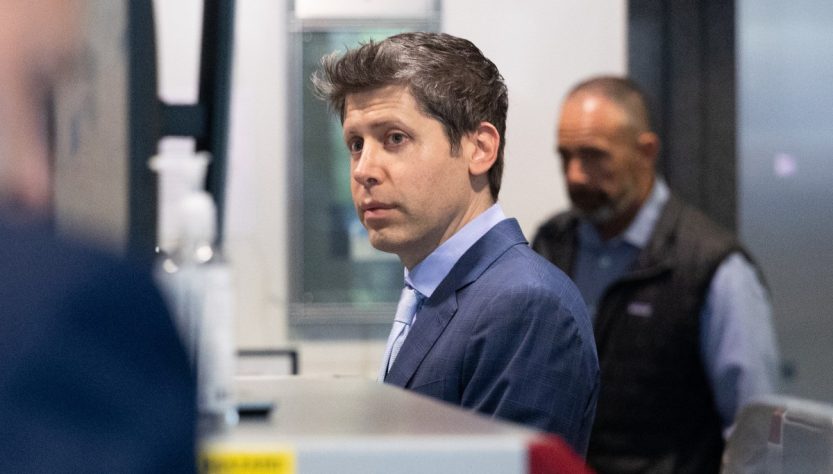
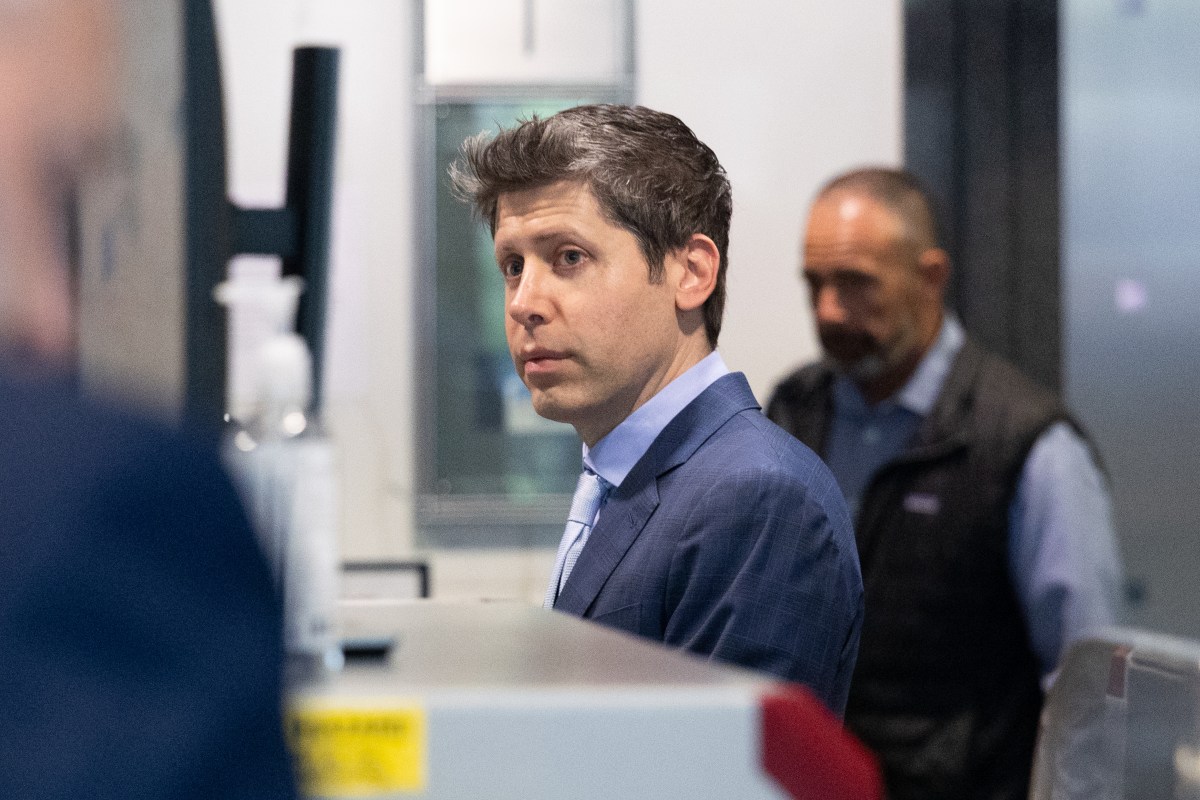
In May 2023, Sam Altman, the CEO of OpenAI, was sworn in and presented his views on artificial intelligence regulation before Congress. Senator John Kennedy from Louisiana listened to his thoughts on licensing advanced models and inquired if Altman would be suitable to head a theoretical AI regulatory agency.
“I enjoy my present role,” Altman responded, eliciting laughter.
“You get paid well, don’t you?” Kennedy questioned.
“No, my salary is enough to cover health insurance. I don’t have any equity in OpenAI,” Altman clarified.
“You ought to consult a lawyer,” Kennedy advised.
Currently, Altman has numerous lawyers, who observed as their client underwent an intense questioning session during a federal court appearance in California on Tuesday. They were examining a similar issue as Kennedy — is Altman capable of managing the most sophisticated AI models?
“You failed to inform the U.S. Senate that you held an interest in OpenAI through a share in a Y Combinator fund, didn’t you?” Steve Molo, the aggressive attorney heading Elon Musk’s campaign to halt OpenAI’s for-profit operations, demanded.
Altman acknowledged that he indeed had financial ties to OpenAI due to his limited partner position in the Y Combinator fund. “I didn’t bring it up in that testimony, but, once more, I believe it’s well understood what being a passive owner of multiple venture funds implies,” Altman stated.
“You assumed Senator Kennedy was a highly experienced investor when he posed that question, didn’t you?” Molo retorted.
Altman’s choice to disclose that he had no equity when he could have easily avoided the question was intriguing. It is technically accurate, but Altman — who stressed his background in investing in early-stage startups — must have been aware of his financial stakes in OpenAI through Y Combinator and investments in other AI firms collaborating with OpenAI.
On Tuesday, Altman’s credibility was under scrutiny, at least from the viewpoint of the plaintiffs. OpenAI’s lawyers contended that little progress was made in support of Musk’s case, accusing the other side of defamation. Nonetheless, the jury and Judge Yvonne Gonzalez Rogers are evaluating Altman’s reliability as a crucial figure in the events being reviewed.
Molo highlighted a series of individuals who alleged that Altman lied or deceived them — including sworn statements in court from former OpenAI board members Helen Toner and Tasha McCauley, Elon Musk, and OpenAI co-founder Ilya Sutskever. He also referenced a recent New Yorker article outlining concerns regarding his integrity.
The “incident” — during which OpenAI’s board temporarily dismissed Altman and removed Greg Brockman as board chair for a perceived lack of transparency — has been a focal point of discussion at this trial. Then-board members Toner and McCauley testified that Altman had misled them, with McCauley describing “a toxic culture of dishonesty.”
“I do have reservations that was the complete reason” for his dismissal, Altman remarked. When asked again to acknowledge that the board indicated he had not been transparent, Altman responded, “They asked me to return the following morning.”
The emphasis on his firing is not solely about challenging Altman’s trustworthiness. A significant inquiry of the trial revolves around whether OpenAI’s structure aligns with its mission, especially whether the non-profit board can genuinely exert control over the for-profit entity. From Musk’s legal team’s perspective, the 2023 incident serves as evidence that Altman’s power within the company surpassed that of its board of directors.
Witnesses summoned by OpenAI and Microsoft have insisted that the existing non-profit board does possess authority over the for-profit. Microsoft CEO Satya Nadella described Altman’s dismissal as “amateur city.”
Bret Taylor, who assumed the role of chair on OpenAI’s board following Altman’s reinstatement, claimed he found nothing justifying his termination and stated that Altman has been “open with me.” Dr. Zico Kolter, the OpenAI board member focused on AI safety, affirmed that no one had hindered that initiative since he began in 2024.
However, Taylor also made it clear that the decision to bring Altman back in 2023 stemmed from the belief that his exit would have virtually shut down OpenAI, as most employees were prepared to leave with him. Now, as the jury and judge contemplate whether the present structure aligns with the organization’s mission, they will consider whether the board genuinely has the power to dismiss or discipline its CEO.
When asked if he would ever dismiss himself as CEO, Altman responded that he had no intention of doing so. When queried about his trustworthiness, he replied, “I consider myself an honest and reliable businessperson.”
When you buy through links in our articles, we may receive a small commission. This does not impact our editorial independence.