
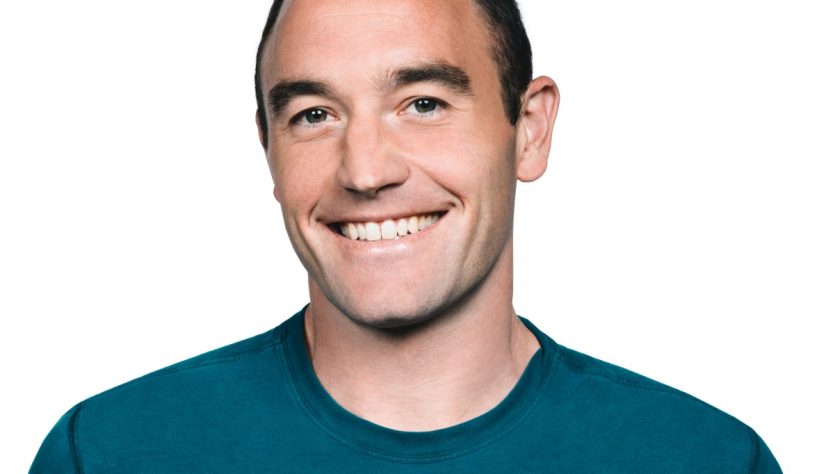
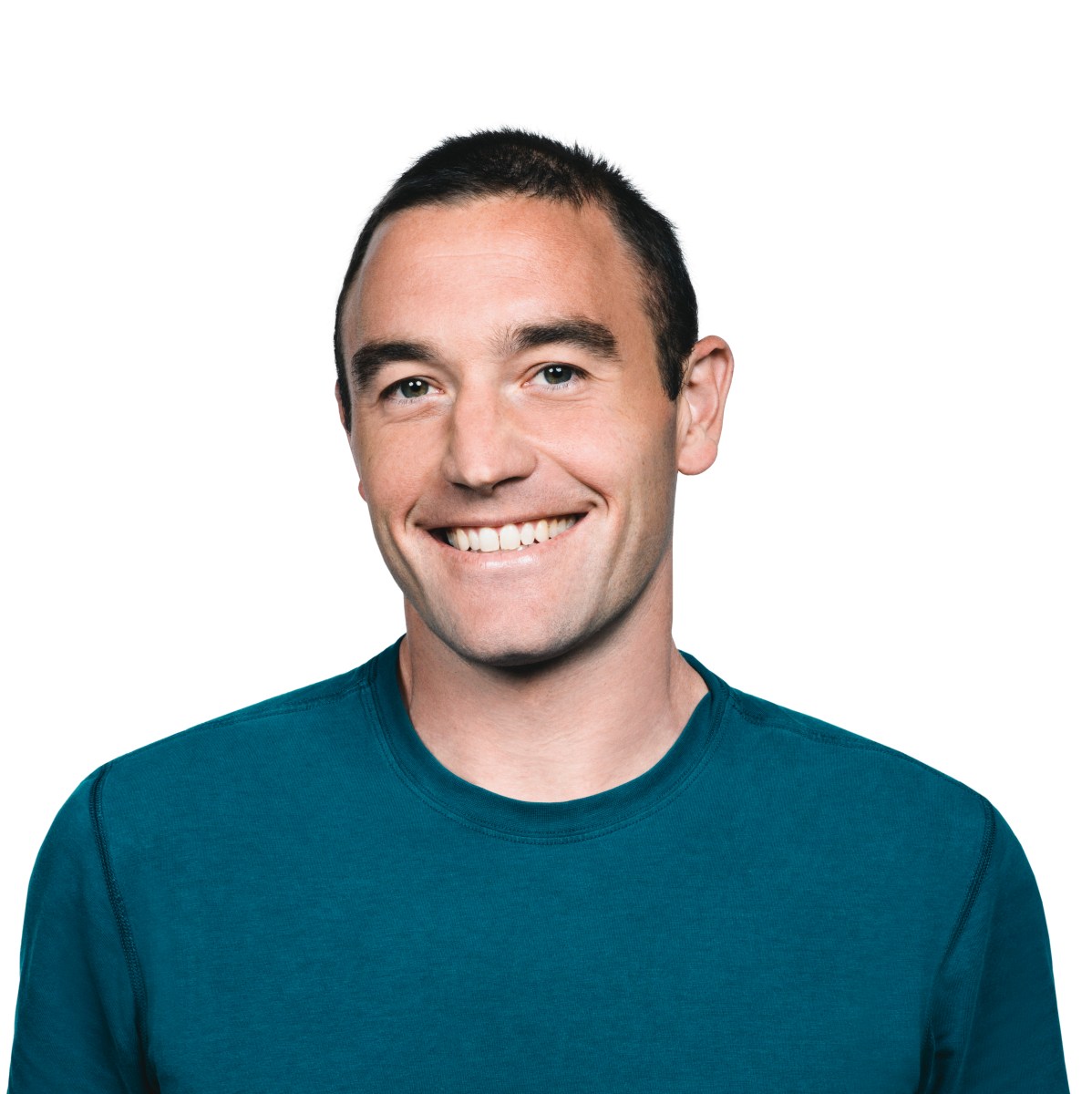
Kevin Weil, an experienced technology executive recognized for his tenures at Twitter, Meta, Planet Labs, and OpenAI, has been appointed to the board of Stoke Space, a highly backed Seattle startup developing reusable rockets to rival SpaceX.
“For me, it’s quite straightforward,” Stoke CEO Andy Lapsa stated to TechCrunch regarding his encounter with Weil when he co-founded Stoke in 2020 and subsequently joined Y Combinator’s winter program. “I came from an engineering background, launched a company, had no clue about fundraising. I didn’t understand how Silicon Valley operated. I lacked a network. Kevin [an early investor in the business with his spouse Elizabeth, via their fund Scribble Ventures] has all of that expertise and was instrumental in helping me consider fundraising and launching the company.
The two continued their discussions as Lapsa secured $1.34 billion — which included a $510 million Series D funding round in 2025 — to create a quickly reusable rocket that could take flight this year. Now, it seems that the moment is right for Weil to step into the board as a director to assist in further scaling the company. Stoke chose not to make Weil available for an interview, and he did not respond to TechCrunch’s inquiries.
Weil’s previous roles have centered around digital products and platforms, which are not clearly aligned with Stoke’s future plans. Most recently, he led OpenAI’s initiatives to expedite scientific research, departing the company after that program’s functions were distributed more broadly across the frontier lab in April. He had earlier acted as OpenAI’s chief product officer from June 2024 until October 2025.
Weil’s latest position raises one clear question: OpenAI’s Sam Altman was reportedly exploring a potential investment in Stoke last year, considering an investment in his own competitor to SpaceX. Could Weil serve as the connection between the frontier AI lab and a potential collaborator in space? Lapsa opted not to comment on “gossip and rumors” concerning OpenAI, asserting that Weil’s position is focused on Stoke itself.
Stoke is working on a rocket, Nova, designed to be entirely reusable and capable of multiple flights. This has never been achieved, with SpaceX coming closest with its massive Starship rocket. The technological hurdles of reusing a rocket — especially its capacity to withstand the intense heat of reentry into the Earth’s atmosphere from space — have dissuaded even the most financially equipped space investors. Jeff Bezos’ Blue Origin, where Lapsa previously worked, has considered the concept but hasn’t prioritized it.
However, SpaceX’s groundbreaking stock market launch — with much of its worth dependent on Elon Musk’s assurances that Starship will undertake operational missions this year — has validated Lapsa’s vision. Despite billions invested in new launch systems, there aren’t sufficient rockets available, and the next venture able to provide a reasonably priced rocket consistently is poised to profit significantly.
“The world is coming to realize that launch is not yet resolved,” Lapsa remarked. “The notion of full, rapid reuse seemed a bit far-fetched at that time…that has now become rather normalized, and people see the inevitability now.”
Interestingly, the concept of establishing distributed data centers in space to utilize solar energy and evade political constraints on Earth has inspired some venture capitalists. The primary barrier is the cost of launching all those computer chips into orbit. Space data centers “really only make sense with full rapid reuse,” Lapsa noted, which may serve as a critical differentiator for Stoke as its rocket begins operations.
Military contracts will also be pivotal to the company’s success, and Weil possesses experience connecting Silicon Valley and the Department of Defense; he was one of four tech leaders who enlisted in the U.S. Army Reserve to enhance recruitment and collaboration between the Army and the tech industry. Moreover, this isn’t his initial venture into the space sector. Weil was the president of Planet Labs, a satellite earth observation firm, for three years as it went public in 2021.
Regardless of what contribution Weil can make to the company’s strategy as it approaches the delivery of an operational launch vehicle, the company needs to execute.
“We’ve managed to mitigate a significant portion of the risk, but there’s more to tackle,” Lapsa stated. “We’ll put forth our utmost effort, and we’ll proceed when it’s prepared.”
When you buy through links in our articles, we may earn a small commission. This doesn’t influence our editorial independence.