
On Wednesday, SpaceX’s stock price dropped to just over $135, the figure that CEO Elon Musk and his team selected before the massive June 12 IPO, which generated nearly $86 billion.
Throughout much of the day, the company’s shares were below that IPO benchmark, even falling to just below $133 apiece before recovering to close at $135.27.
The decline observed on Wednesday came after a consistent downturn since the company’s public debut. Initially, SpaceX’s stock surged past $200 in the days following its launch, temporarily placing its valuation in the same league as tech titans like Amazon and Microsoft. Since that peak, its shares have consistently depreciated every week.
A portion of this volatility is due to the fact that only 4% of the company’s total shares are being traded on Nasdaq. This limited “float,” coupled with significant ongoing interest in the company, has led to pronounced fluctuations during the inaugural month of trading.
Market sentiment also seems to be adjusting regarding CEO Elon Musk’s ambitious plans for the company, which aligns with a general retreat in tech stocks over the past month. In addition to SpaceX’s shares trading lower, bonds issued post-IPO are also facing challenges.
A sustained downturn for SpaceX could have broader implications, as the company’s stock price reflects investor confidence in Musk’s extraordinary claims about its potential achievements. SpaceX’s IPO has also positioned other major tech firms, like Anthropic and OpenAI, to pursue public offerings. Both have submitted confidential IPO filings, and while no public dates have been established, SpaceX’s stock performance is being closely monitored to assess potential success for those offerings.
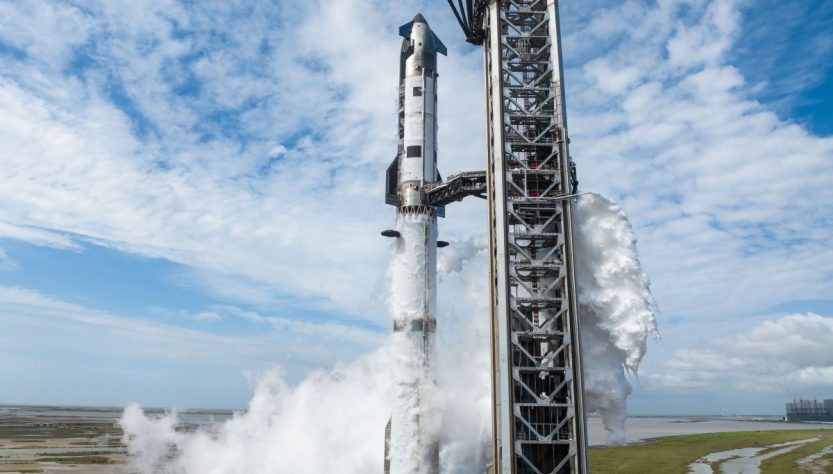
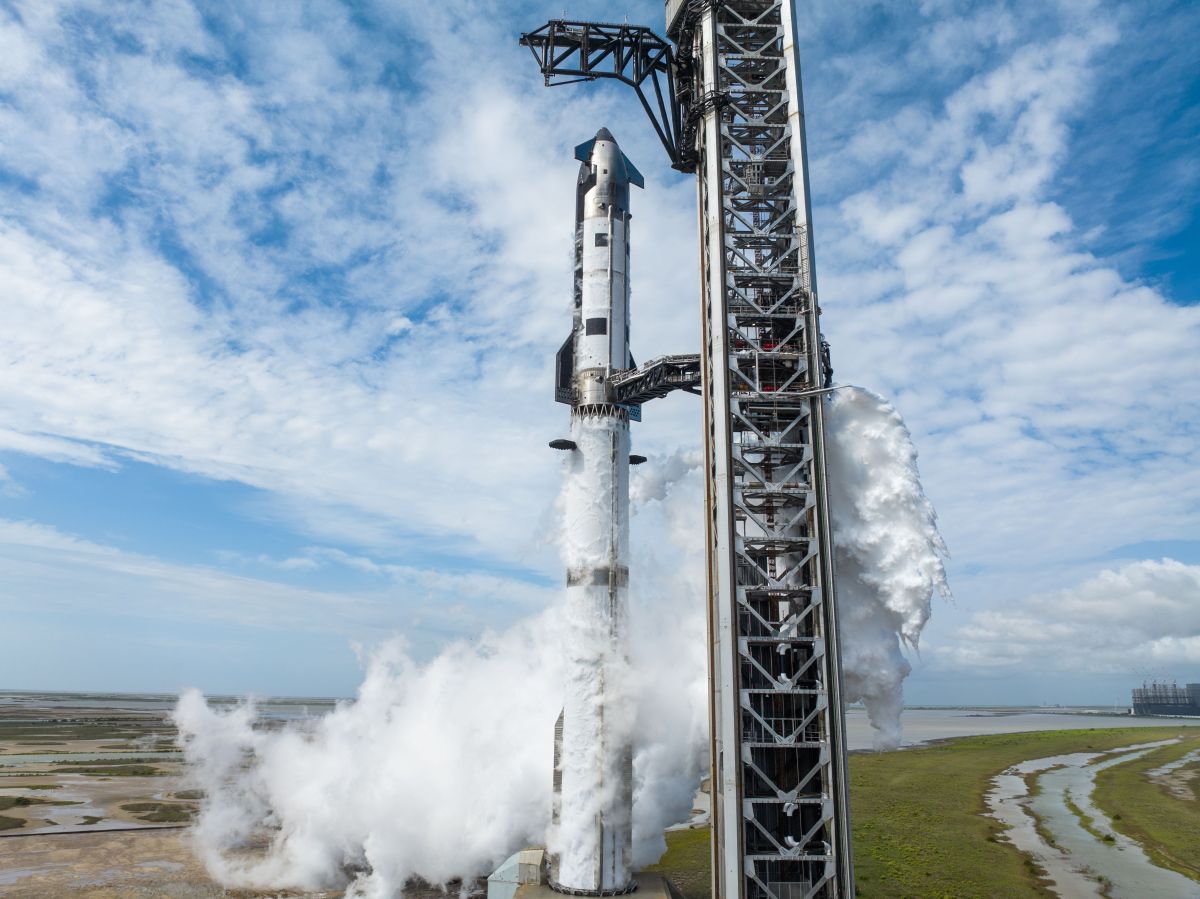
SpaceX is on the brink of another early assessment of its stock price resilience. On Thursday, the company will conduct its first test launch of the Starship rocket since the IPO. Starship remains in active development, indicating a susceptibility to failures, adhering to SpaceX’s “fly, fail, fix” methodology.
This will mark the inaugural Starship flight following a booster failure in May. Once again, the company will not attempt to recover either the Starship booster or the upper stage during this flight, choosing instead to simulate a landing in the Gulf of Mexico. This ensures that both components of the Starship rocket system will conclude with an explosion, regardless of whether any complications arise during the flight.
This story has been revised to include the final closing price.
When you click through links in our articles, we may earn a small commission. This does not influence our editorial independence.