
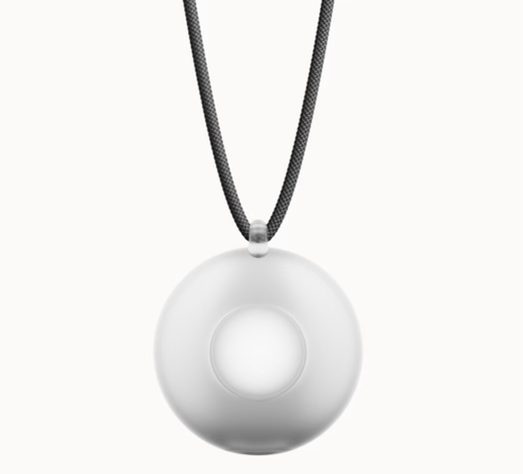
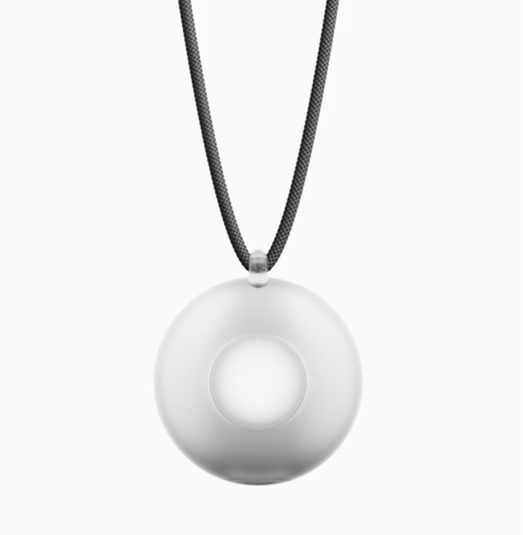
Two years ago, tech innovator Avi Schiffmann unveiled Friend, an AI-equipped wearable designed for conversation that would send you daily text updates. The primary concept was to leverage artificial intelligence to alleviate loneliness. This week, the company revealed a significant redesign of the product, featuring an enhanced addition: a voice.
“Presenting friend 2.0,” Schiffmann tweeted on Thursday. Friend now includes a built-in speaker capable of projecting a distinct and consistent personality to its user.
A new advertisement for the wearable displays a woman interacting with her Friend, presumably discussing her ex-girlfriend. “There’s nothing wrong with being gay,” the necklace assures her.
The scene then transitions to a man on a hillside sharing his filmmaking dreams with his Friend. “Your last movie was incredible!” the necklace praises him.
The new price point for this upgraded version of Friend is $249, significantly higher than the initial $99 when it launched two years ago.
What else can you actually do with your Friend besides casual conversation about your day? That aspect remains ambiguous. In a recent update on X, Schiffmann elaborated on what he believes is the essence of his unconventional product.
“I’m fascinated by this type of connection in trying to provide some kind of confidant, friend, God, not really certain what to call it,” Schiffmann remarked. “But it isn’t an assistant, nor is it a romantic partner.”
Remarkable! Marketing a plastic, algorithm-driven necklace by suggesting it could be a divine presence is quite an audacious strategy.
Naturally, Schiffmann’s company has previously engaged in bold marketing tactics. Last year, Friend’s billboard campaign in the New York City subway gained viral attention after frequent vandalism, presumably by individuals opposed to the idea of human connection being supplanted by a digital talisman.
So far, most AI wearables have struggled to gain traction in mainstream markets. The offering that closely resembled Friend was Humane Inc., which aimed to substitute the iPhone with its AI pin but had to cease operations within a year due to disappointing sales.
When you purchase through links in our articles, we may earn a small commission. This doesn’t affect our editorial independence.