
On Tuesday, Lucid Motors announced that its “operational reset” will concentrate on reducing cash expenditures by $1.4 billion, alongside three other critical initiatives aimed at generating revenue, such as robotaxis, its manufacturing facility in Saudi Arabia, and the introduction of a mid-sized electric vehicle.
However, the mid-sized vehicle, which is expected to be priced under $50,000, has now been postponed until next year, having initially been slated for shipment by the end of 2026.
“Our goal is straightforward: the mid-size vehicle will launch only once all processes and quality standards are fulfilled,” stated Lucid’s new CEO Silvio Napoli during a conference call on Tuesday. “We will avoid repeating past errors by introducing a product to the market before it’s fully prepared.”
The restructuring plan, spearheaded by Napoli, seeks to reverse Lucid’s increasing electric vehicle inventory and unrestrained spending. To achieve the $1.4 billion in cash savings, Lucid indicated it will decrease capital expenditure by $500 million and aim for projected savings of between $600 million and $800 million in inventory, as per its second-quarter earnings report. Additionally, the company plans to cut operating costs by $200 million.
If successful, this initiative could ensure a sufficient liquidity runway extending into 2027, Napoli mentioned during Tuesday’s call with investors.
Napoli was forthright during his inaugural quarterly earnings call as CEO.
“Our operational methods need to evolve,” he expressed. “While there’s no doubt that Lucid has introduced leading innovations and remarkable products, we’ve fallen short in various areas for far too long. We have not executed consistently, failed to meet commitments, launched products prematurely, underinvested in service, responded inadequately to quality concerns, and allowed complexity to hinder decision-making.”
Napoli has already begun implementing parts of this strategy. The company has revamped its executive team and appointed several key leaders, including a new CFO, CTO, CCO, CDO, and chief transformation officer. Napoli has halved the number of direct reports to him and in June instructed the company to reduce its workforce by 18%, equating to approximately 1,500 jobs, shortly after a prior cut of 12%.
Lucid has also discontinued the second shift of EV production at its Casa Grande, Arizona facility. The layoffs and this shift reduction are expected to yield $158 million in annualized savings, according to Napoli during the earnings call.
Notwithstanding these adjustments, Lucid’s second-quarter earnings reflect a company that continues to incur losses. The EV manufacturer reported revenues of $405 million, an increase from $259.4 million in the same quarter last year. It recorded a net loss of $1.26 billion, or $3.30 a share, compared to a loss of $855.3 million, or $2.80 a share, a year prior.
Lucid confirmed it concluded the second quarter with $3 billion in liquidity.
While cost reduction is crucial to this reset, Napoli identified several essential projects, including the forthcoming mid-sized EV, the completion of the AMP-2 factory in Saudi Arabia, and its robotaxi initiative with Uber and Nuro, which are poised to drive profitability.
The mid-sized EV, termed Cosmos, will be the inaugural model from Lucid’s mid-sized platform, which “remains a vital component of Lucid’s strategic roadmap,” Napoli remarked. However, he added, “the tasks ahead are considerable.” Napoli indicated that Lucid has “not executed consistently” and “responded too inadequately” to quality challenges, which is the reason for the vehicle’s delay.
Napoli is also optimistic about the robotaxi initiative with Uber and Nuro, considering it a chance to enhance earnings beyond direct consumer sales. To underscore this program’s significance to Lucid, the company has established a new business division called Lucid Technologies, headed by chief digital officer Kai Stepper. This division will concentrate on AI, advanced driver assistance systems, and digital technologies.
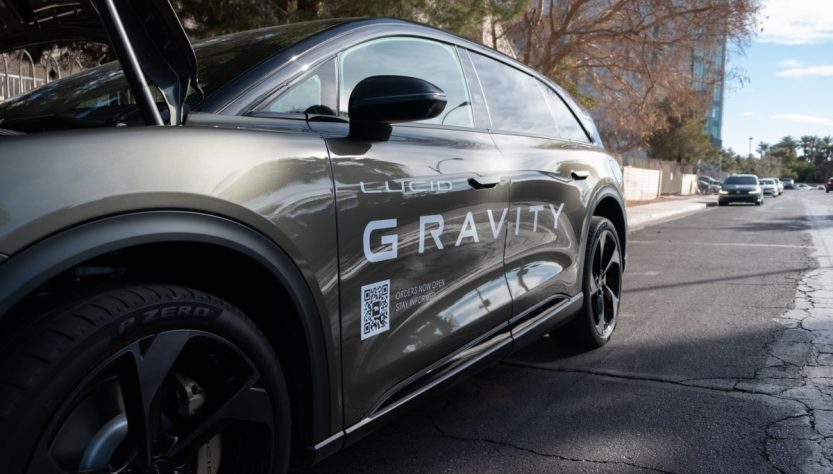
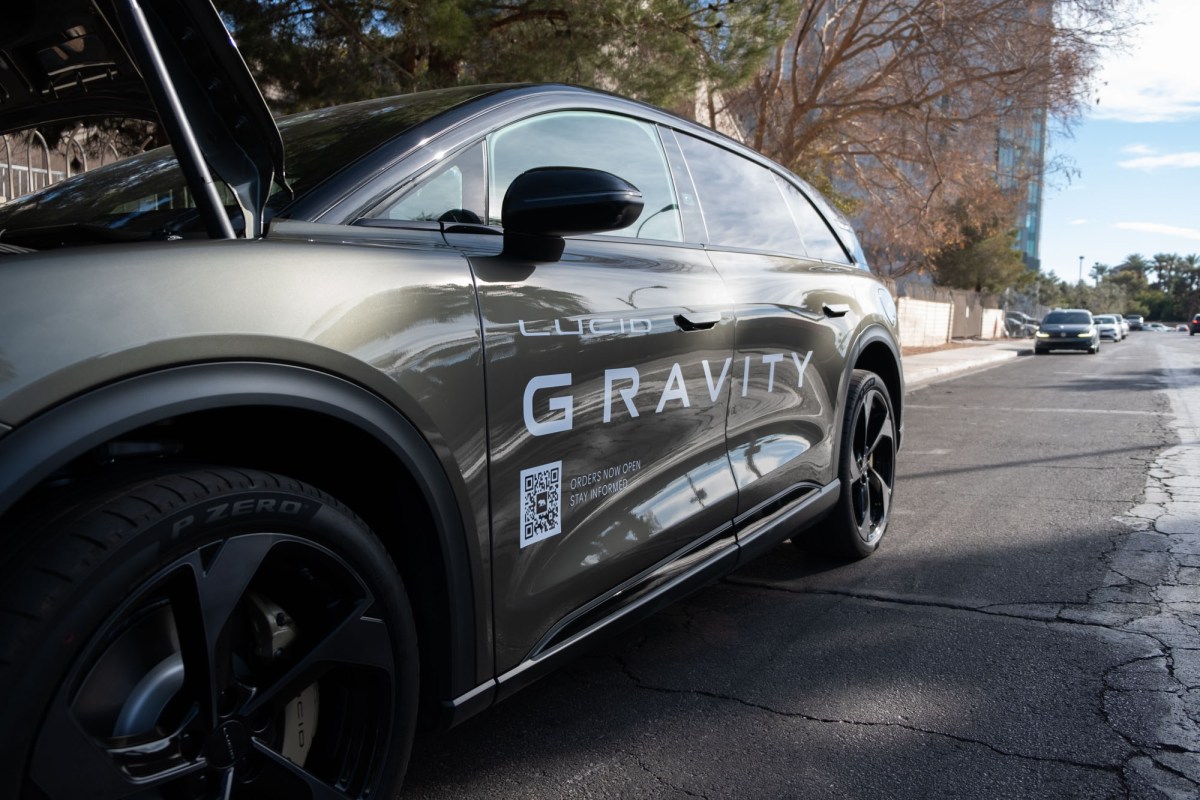
“We anticipate the profit margins of this model will significantly surpass those of the conventional retail approach,” Napoli stated, referencing the robotaxi initiative that incorporates Nuro’s autonomous driving technology with Lucid’s Gravity SUVs. Uber will manage the premium robotaxi service, enabling users to request the autonomous vehicles via its app.
Nuro and Uber are running tests with a fleet of 100 vehicles in Houston and the San Francisco Bay Area. The company announced last month that it commenced deliveries of validation vehicles produced at a facility in Coolidge, Arizona. Regular production of the robotaxi is scheduled to commence in the fourth quarter, aiming for a launch by late 2026.
During the call, Napoli took a moment to dispel rumors from last month suggesting that the company had engaged consulting firm AlixPartners to explore bankruptcy options.
“Their engagement has been strictly aimed at supporting our cost-reduction plans and streamlining our operations; we expect to conclude their assignment by the end of this month,” he stated.
This report has been updated with additional details from Lucid’s earnings call.
When you make purchases through links within our articles, we may earn a small commission. This does not influence our editorial autonomy.