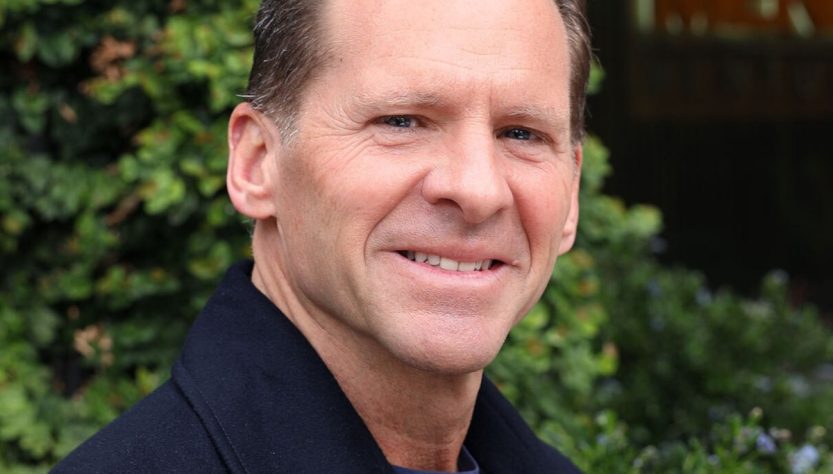
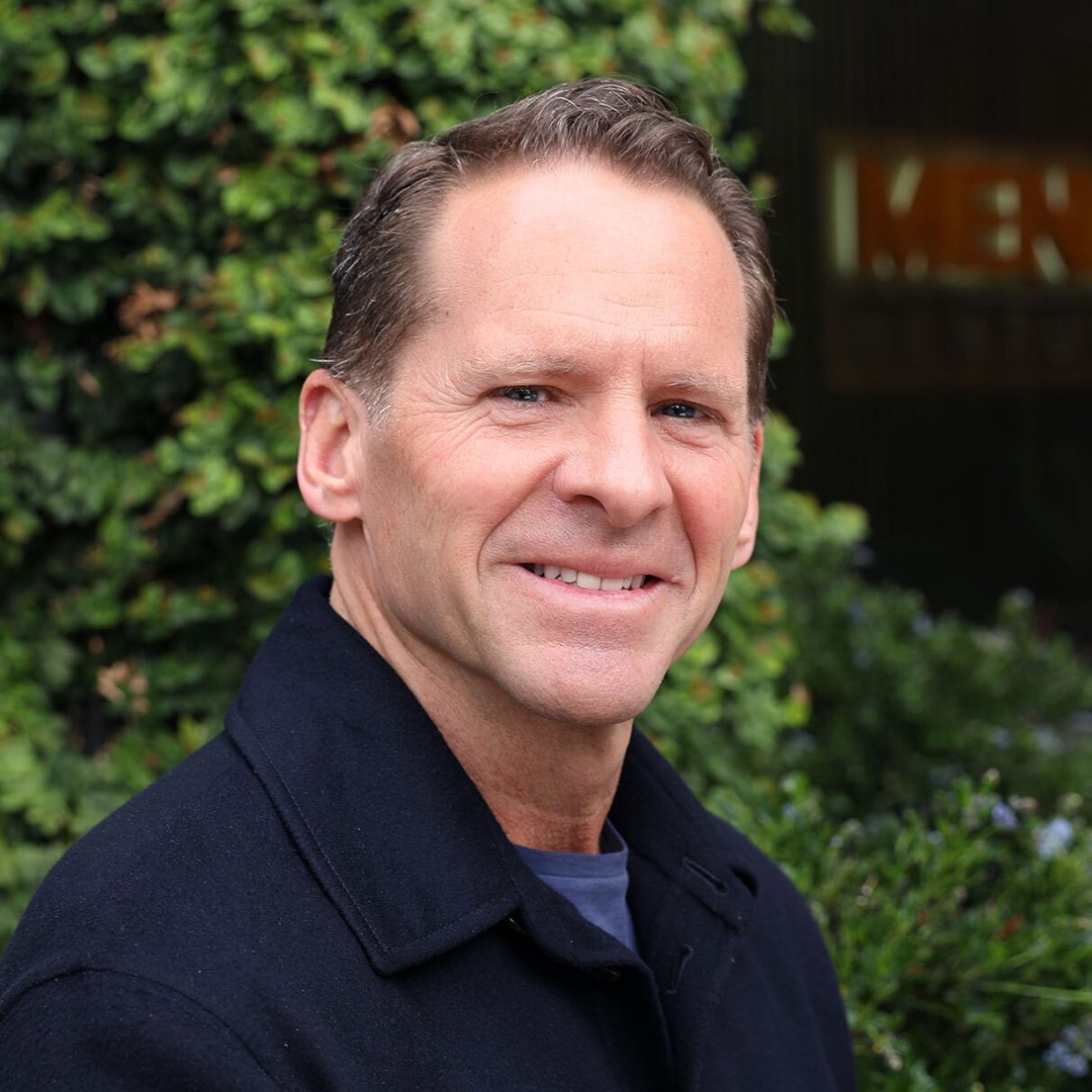
Menlo Ventures partner Matt Murphy and his team announced Monday in a blog post that the firm has invested in AI coding startup Factory.
Menlo declined to comment on how much it invested but said the deal was part of Factory’s latest funding round announced last month at a $5 billion valuation. A source familiar with the deal told us the investment was significant to Menlo — not a token gesture — and that Menlo would have invested more had there been room on the cap table.
Ordinarily, something like this wouldn’t necessarily be news; startups often extend previous rounds to add new investors. But last week, Factory co-founder and CEO Matan Grinberg was embroiled in a very public airing of dirty laundry when he alleged that he had fired investor Chris Degnan of firm RPT Partners from his role as board advisor. Grinberg said he feared Degnan may have shared confidential information with Factory’s biggest competitor, Cognition. The accusation followed Degnan’s move to Cognition as its chief revenue officer.
A who’s who of the tech industry came out of the woodwork either to support Degnan and condemn Factory, or vice versa, but none was more surprising than Vinod Khosla. Khosla’s firm is an investor in both Factory and Cognition. But that didn’t stop the venerable VC from calling Factory a desperate “struggling second tier competitor,” and accusing Grinberg of lying about firing Degnan and impugning his character. Degnan disputed Grinberg’s story, saying he resigned and that he’d rebuffed a competing job offer from Grinberg.
So Menlo’s full-throated endorsement of Factory, which praised its founders, its tech, and its relationship with its customers, is more than a feather in Factory’s cap. It’s a statement that Factory is not in the state that Khosla implied it was.
Murphy famously bet his firm on Anthropic back when it appeared to be an also-ran to OpenAI and has been on a hot streak ever since, landing deals with Lovable and Legora, for instance. So now some VCs are calling Factory “the next Anthropic.“
Sequoia’s Shaun Maguire, also a Factory backer who came out on X in support of Grinberg last week, appears thrilled with Menlo’s endorsement, saying the firm is “on a tear.” Notably, Menlo is not an investor in competitor Cognition.
When you purchase through links in our articles, we may earn a small commission. This doesn’t affect our editorial independence.
Blaming a “significant rise” in AI submissions, Google has paused its open source bug bounty program until next year.
Last year, TechCrunch reported that cybersecurity experts were warning of that AI slop posed a serious risk to bug bounty programs. Looks like that’s the issue confronting Google’s Open Source Software Vulnerability Rewards Program, where researchers were rewarded for finding vulnerabilities in the company’s open source software.
In posts on X and the program website, Google said the bug bounty program was paused as of October 1, with a promise to provide “an update” in the first quarter of 2027. According to Tom’s Hardware, Google engineers and open source maintainers were overwhelmed by reports that were invalid or contained hallucinations.
“This pause is due to a significant rise in automated submissions, the vast majority of which are not valid,” the company said.
In the meantime, participants are encouraged to consider Google’s other bug bounty programs.
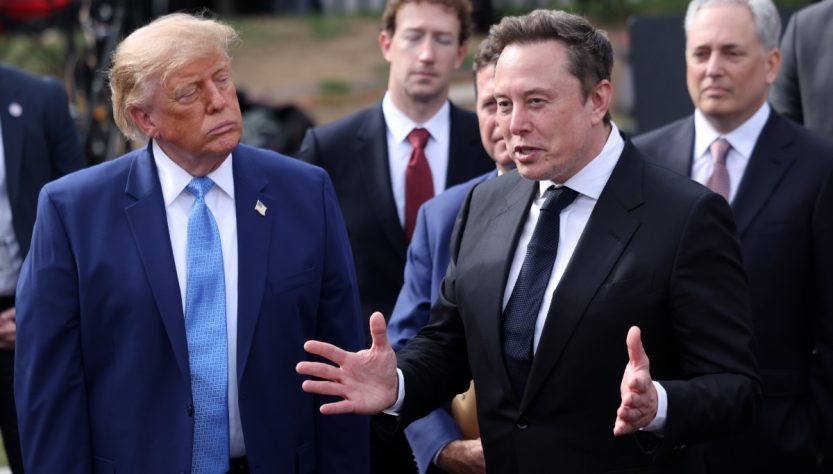
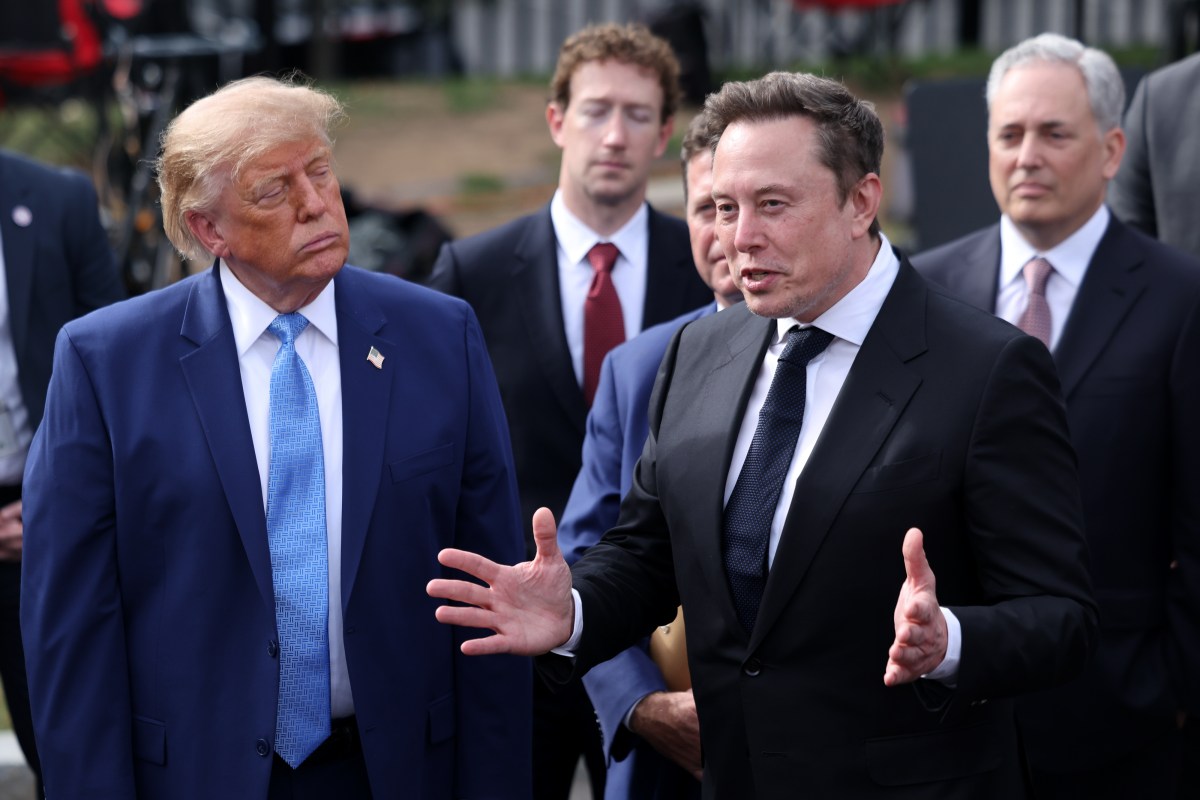
President Donald Trump hosted many of the biggest names in artificial intelligence this week — in part to announce that the U.S. government isn’t calling it artificial intelligence anymore. Now it’s super intelligence.
On the latest episode of TechCrunch’s Equity podcast, Kirsten Korosec, Sean O’Kane, and I discussed the motivation behind the meeting and what effect it might have on the AI industry. We were all pretty skeptical that the “Joint Commitment on Frontier Responsibilities” that the executives signed will amount to much, especially since — as Sean noted — it’s “deeply non-binding,” at least from a legal prospective. (Instead, Trump said he considers it “morally binding.”)
Kirsten suggested that the meeting’s real significance may have been as “a rebranding effort around AI.” (An effort that continued this weekend with Trump’s announcement of a new Super Intelligence Force.) For her, the big message was, “AI is going to kill us, it’s scary, it is going to take jobs — but super intelligence is not.”
Keep reading for a preview of our conversation, edited for length and clarity.
Anthony Ha: Officially, by order of the president of the United States, it’s not artificial intelligence anymore, it’s super intelligence. We were talking about this last week, because this is something [Trump has] been hinting at — he doesn’t do hints, he’s been saying [it] for a while. But now it’s signed into executive order. If you’re an official U.S. representative, you are supposed to say super intelligence, not artificial intelligence.
And this was also part of this broader announcement around AI safety, which I think is both interesting for this pact that was announced, but also the fact that it happened at all. It seemed to have come together fairly quickly, because just two weeks ago, a week ago, President Trump was saying, “We don’t need any of this, we need to lead in AI, we can’t constrain it in any way, we don’t need any regulation, anyone who’s saying that there’s any danger from AI is essentially a Chinese or Democratic plant.” And yet all these AI CEOs got together with him earlier this week and signed this pact.
Kirsten Korosec: Leading up to that, we should say, not only was there pushback on regulation, and we can talk about whether this executive order even does any of that — I would say no, there’s a little bit of theater there — but the important and interesting thing is that just days ago, Anthropic was really in the doghouse, if you will, in terms of what was happening behind the scenes with President Trump.
That all changed when [Anthropic CEO] Dario Amodei was invited to a 10 p.m. dinner. He had this sit-down, and then just days later, we had this luncheon, and at this luncheon, we have pretty much every tech power broker from every major tech company that exists. So Mark Zuckerberg was there, Jeff Bezos was there, Elon Musk was there, Dario of course was there, they were all there.
I’m wondering if any of you watched the press conference that happened afterwards, which there’s been many, many memes about, because of the interesting, funny behavior when you bring a bunch of tech CEOs together.
But I guess my bigger question for both of you is: What does this all mean? And does it mean anything?
Sean O’Kane: How much time do you have? First off, sure, they had dinner, Trump and Dario. If you read the Time magazine interview that Trump just did, your guess is as good as mine as to how informed he was that that dinner was even going to be happening, which is a strange reality to live in, but it’s just the one we inhabit.
I will also say one other thing that makes me skeptical — surprise, surprise — of how repaired the relationship is between the administration and Anthropic, is that for as much as there are clearly people trying to put those two groups together, the Defense Department is still very adamant that Anthropic is terrible and woke and and a national security risk. Emil Michael goes off on Anthropic every other day on X, it seems. I think there’s still some distance there despite Dario showing up to this thing.
As far as the agreement and all of that, let’s be real, they misspelled the United States on the agreement that they all signed. It is also just deeply non-binding. I mean, it is completely voluntary. I think my favorite aspect about it was that Trump described it as quote “morally binding,” which is just a level of abstraction and terminology that I’ve never heard of before.
Anthony: In terms of Anthropic and their relationship with the Trump administration, there’s been a sort of a lot of reporting, especially during that big blow up with the Defense Department, that different parts of the White House had different relationships with Anthropic. The Treasury Secretary seemed to be a big fan, whereas the Defense Department — definitely not big fans, or at least unhappy with some of the conditions that Anthropic were trying to put on the use of their technology.
In that sense, it feels like nothing has necessarily changed. There are people in the White House who want to use Anthropic’s technology, want them involved in these decisions, and others who really, really, really, really don’t.
In terms of the agreement, it seems not super meaningful. What is meaningful is just the fact that they felt that this was something worth doing. As indicated by the fact that they misspelled United States, it seemed like they rushed to put all of this together. [But] the fact that this kind of gesture was needed seems significant, even if I don’t think the agreement itself is going to lead to any major changes.
Kirsten: I do think that there was one important thing that happened. And to me, this is the point of it, which was a rebranding exercise around AI. “AI is going to kill us, it’s scary, it is going to take jobs, but super intelligence is not.” This isn’t my personal belief. To me, that was the message.
When you purchase through links in our articles, we may earn a small commission. This doesn’t affect our editorial independence.
Welcome back to TechCrunch Mobility, your hub for the future of transportation and now, more than ever, the role AI is playing in it. To get this in your inbox, sign up here for free — just click TechCrunch Mobility!
On an average day in San Francisco, you might see dozens (hundreds?) of Waymo robotaxis zipping around the city — and with little disruption. But, as TechCrunch has reported, there have been numerous incidents of robotaxis impeding traffic, driving into crime scenes, and interfering with first responders. And not just in the Bay Area. In some cases, companies have relied on first responders to move their robotaxis.
These disruptions are occurring in the early stages of the robotaxi era. California has a new law hoping to get ahead of the problem before the next impending wave of robotaxis land.
Senate Bill 1246, which was signed into law by Governor Gavin Newsom this week, sets a series of new rules for AVs designed to improve safety and response times when they become disabled or interfere with emergency responders. The law also creates ways to hold these companies accountable if they don’t.
Autonomous vehicle technology companies like Tesla, Waymo, and Zoox will have to provide first responders with local, on-the-ground support when their robotaxis cause problems and could also face penalties if a robotaxi blocks police or firefighters for more than 30 minutes.
The law also says AV developers can only employ remote drivers who are based in the United States and those drivers must hold a U.S. driver’s license. They must also notify cities, towns, and other local jurisdictions about the location and status of vehicles during system-wide failures and must provide “local incident technicians” who can assist with AV accidents and obstructions.
There are still some details to hammer out, which the Department of Motor Vehicles will handle since it’s the main regulator of autonomous vehicles in the state. But when this law goes into effect in July 2028, will it actually keep robotaxis out of the way of emergency responders?
It likely won’t, but hopefully this law reduces the chaos and raises the accountability when something does happen.
Perhaps the better question is will other states follow California’s lead or wait for the federal government to weigh in?
Deals!
Image Credits:Bryce Durbin
Harbinger,the EV startup, landed a $300 million deal to supply FedEx with 2,000 of its electric trucks.
HyperGuest, an Israeli travel tech startup, raised $25 million from AMI, the investment arm of Apax Partners.
REGENT Craft, the developer and manufacturer of the all-electric Seaglider, extended its collaboration with the U.S. Marine Corps Warfighting Lab, pushing the total value of the contract to $19.25 million.
Quartermaster, an Arlington, Virginia-based maritime intelligence startup, raised $140 million in a Series B round. About $100 million came from Insight Partners, defense-focused firm Overmatch Ventures, and First Round Capital. The remaining $40 million came in the form of a debt facility from investment bank Stifel.
Voltaback, a French fleet management software startup, raised €2.8 million from European investment fund Serena.
Notable reads and other tidbits
Image Credits:Bryce Durbin
When Aurora announced it would have 30,000 autonomous trucks on the road by the end of 2030, I admit that I raised at least one of my eyebrows. I interviewed CFO David Maday to find out exactly how the company plans to accomplish this and why he’s confident it will succeed.
BMW unveiled its new 2027 3 Series and it’s offering essentially the same car for gas and electric. Guess which one is cheaper?
DoorDash shared more about its new drone delivery business DoorDash Air, including the autonomous aircraft and its ground-based systems approach.
Kodiak has landed Ikea as a customer and will begin driverless deliveries on public highways later this year. The trucks will haul Ikea products without anyone in the cab on a 219-mile stretch of Interstate 45 between Houston and Dallas, according to the company.
Lyft agreed to pay $272.5 million to settle a lawsuit accusing the ride-hailing company of violating California law by misclassifying drivers as independent contractors, instead of employees. The settlement wraps up violations that occurred before Prop 22 was approved by voters, which allows companies like Uber and Lyft to classify drivers as contractors.
Northeastern University tested 21 late-model vehicles from 17 automakers and 30 companion mobile apps. The upshot: cars are collecting a trove of personal data and sharing it with a lot of tech companies, including Adobe, Contentsquare, Google, Microsoft, Meta, Snap, and Yahoo.
SpaceX’s Starship rocket reached Earth orbit for the first time, though not without some drama along the way.
Rivian reported a record-setting quarter of sales thanks to the new R2 SUV. And it’s still forecasting between 65,000 and 70,000 vehicles this year. But it is experiencing a few hiccups with its newest EV. The company issued a recall for its R2 SUV over fasteners on its high-voltage battery pack that might not be properly tightened, which can cause a loss of power while driving.
We’ll finish this roundup with a few notable Tesla news item. The company sold more than 480,000 EVs in the third quarter, the second strong quarter in a row for the company after a softer start to the year. The company has delayed its Roadster 2 event again due to bad weather.
And while Tesla’s traditional automotive business may be clicking along, it really wants to be considered an AI and robotics company. One year ago, Elon Musk laid out his fourth Master Plan, which he claims will deliver “amazing abundance” through robotaxis, robots, and AI. As Sean O’Kane noted in his recent piece, “What that means, more than a year later, is still tricky to pin down.”
It did just pin down more money to try. The companysecured $30 billion in fresh credit lines that could be used to scale its future products, including the Optimus robot and the Cybercab robotaxi.
One more thing …
The countdown begins! Disrupt 2026, TechCrunch’s annual tech conference in San Francisco, is just days away. I mentioned this last week and I am here to share this again. I’m offering you a 30% discount on tickets to Disrupt with code mobility30.
Why go? Well, I am interviewing Rivian CEO RJ Scaringe onstage October 13. I will also interview Mikell Taylor, director of robotics strategy at GM; Shield AI CTO Nathan Michael; and Waabi founder and CEO Raquel Urtasun on a panel entitled “Building AI Systems When Failure Is Not an Option.” Sean O’Kane will interview Also CEO Chris Yu; Yuri Sagalov, managing director at General Catalyst; and Shan Shan, investment manager at Baillie Gifford in “How to Win When You’re Not Building AI.” Plus, hear from execs and engineers from Cerebras, Nvidia, OpenAI, and Replit to name a few. Check out the full agenda here.
Speaking of Disrupt, here is a profile of MyMonthly Car, one of the Startup Battlefield 200 participants that earned a spot to exhibit at the event.
When you purchase through links in our articles, we may earn a small commission. This doesn’t affect our editorial independence.
A federal judge ruled this week that a Tulsa, Oklahoma sheriff’s deputy violated a woman’s Fourth Amendment rights when using Flock Safety to search for her license plate without a warrant.
As reported by 404 Media, this ruling does not create a binding precedent, but it is one of the first times that a federal judge has ruled that a Flock search is unconstitutional.
In this case, Judge Sara Hill said the deputy should have obtained a warrant before searching the Flock database for the woman’s license plate, as he had “no apparent reason” for the search “other than the fact that [the woman’s vehicle] had a California license plate.”
The deputy then used the woman’s travel history in Flock as part of the justification for searching her car, where he allegedly discovered 91 pounds of meth. But Judge Hill wrote that all evidence obtained after the Flock search “must be suppressed as the fruit of a poisonous tree.”
Judge Hill also took broader aim at warrantless searches of the Flock database, writing that tracking people’s location — even when they’re in public places — becomes “constitutionally problematic when law enforcement can indiscriminately and passively catalog your whereabouts over an extended period of time and then use that information for any purpose whenever convenient.”
“This is a type of indiscriminate mass surveillance,” Hill wrote. “It is not targeted on a single individual, as in [Carpenter v. United States, a Supreme Court case focused on how government agencies access location data from cell phones]. It is a tool that collects information about all vehicles that pass by any network-connected camera at all times, and it serves up the information to law enforcement on demand.”
Hill joins a growing chorus of Flock critics from across the political spectrum. Numerous local and state governments, including Florida and Texas, have said they will stop using the technology. And on Friday, Senator Bernie Sanders — a Democrat from Vermont — introduced the Block Flock Act, which would bar federal agencies from using automated license plate readers such as Flock.
Flock CEO Garretty Langley — who we’ll be interviewing on-stage at TechCrunch Disrupt — has called for a “compromise” between privacy and safety and offered an apology to women who have been stalked by law enforcement officers using the Flock system. And with all those cancellations, Flock has also reportedly offered voluntary employee buyouts as a way to shrink its workforce.
When you purchase through links in our articles, we may earn a small commission. This doesn’t affect our editorial independence.
Amazon Web Services CEO Matt Garman said the company has stopped using nondisclosure agreements (NDAs) in its dealings with government agencies as it seeks approval to build new data centers.
Garman’s statement is just one sentence in a longer blog post in which he tried to push back against widespread suspicion of data centers, and to make the case that they’re actually good for communities.
NDAs are a significant piece of the broader data center backlash. For example, environmental activist Erin Brockovich recently said that the number one complaint she’s heard about data centers is transparency, with these projects following a common pattern: “projects announced after permits are already secured, developers who don’t return calls, local officials who signed NDAs before their neighbors knew a project was being considered.”
As a result of that backlash, New York announced a one-year moratorium on permits for large data centers, and according to Garman, there are more than 100 data center moratoriums currently being considered across the United States.
“If these measures are enacted, the U.S. could be writing its own losing ticket to this race, and the consequences would last generations,” Garman claimed. “As a country, we can’t afford to find ourselves in that position.”
Garman also attempted to puncture what he said are four big myths around data centers: that they consume too much water, that they increase electricity costs, that they emit an enormous amount of pollution, and that they don’t provide any benefits to their communities.
Pointing to an Amazon report about its own water usage, Garman said that “direct data center water consumption” only accounts for 0.5% of all industrial water usage in the United States, “orders of magnitude less than golf courses, almond farming, and many other industries.”
Nvidia recently said its new cooling system eliminates “pretty much all water usage” inside the data center, but those claims — like Amazon’s — seem to ignore the broader water usage involved in electricity generation and chip manufacturing. Scientists have also said they need to study data centers’ water and energy usage independently, since there are no federal or state requirements around how tech companies report this data.
As for electricity rates, Garman said they’ve only gone up in some states with large numbers of data centers, while they’ve gone down or at least grown more slowly in others. And he argued, “In instances where energy rates are going up, it’s primarily because the grid is old and hasn’t been invested in and expanded before the demand arrived.”
On the other hand, an independent watchdog said recently data centers were the main culprit behind a 76% year-over-year price increase on America’s largest electrical grid.
When it comes to pollution — an issue that the NAACP is currently suing Elon Musk’s SpaceX/xAI over — Garman complained that critics focus on the maximum amount of pollution allowed under data center permits. For example, a planned Amazon data center in Texas is permitted to release 33 million tons of carbon dioxide per year, which is more than any other power plant in the United States.
“The truth is data center generators almost never run,” Garman said. “They’re idle 99.9% of the time (they run roughly 10 hours per year, mostly for required maintenance testing).”
As for the community benefits, this is where Garman wrote, “We no longer use nondisclosure agreements with the government agencies we work with on our projects.” Plus, he said, “Over the past three years, Amazon has contributed more than $1 billion to communities across the U.S. in which we have a meaningful data center presence.”
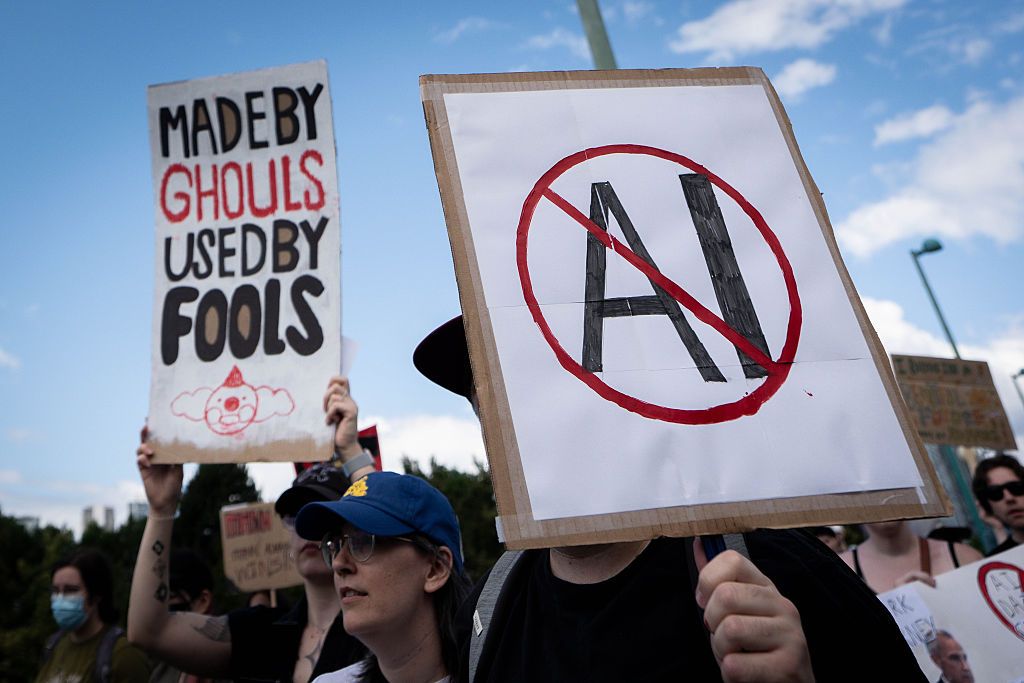
Will this be enough to quell community suspicion? Perhaps not — Anthropic CEO Dario Amodei recently argued that the AI backlash is “fundamentally a crisis of trust,” where people assume governments and tech companies are always “cooking up some new way to screw them over.” Similarly, writer Jasmine Sun noted that when data center opponents are presented with the tech companies’ arguments, their response is usually, “I don’t believe them.”
When you purchase through links in our articles, we may earn a small commission. This doesn’t affect our editorial independence.
By his own admission, David Robinson is “something of a cliché”: an employee at a leading AI company who issues a dire warning while resigning from their job.
In an essay published in The Atlantic, Robinson said he led the writing of safety reports that accompanied OpenAI’s major product launches. He also said that with three-and-a-half years at OpenAI, he is “among the longest-tenured employees at the company.” Now he’s quitting, because in his view, the company’s “culture is broken.”
In some ways, Robinson’s comments echo those of Jacob Coxon, who worked as a researcher at both OpenAI and Anthropic before quitting and declaring that these companies are “gambling with our lives.” Coxon’s comments led to a broader debate about AI safety, with Anthropic CEO Dario Amodei unveiling a plan for more cautious AI development; AI executives met with President Donald Trump this week and signed what appeared to be hastily written, non-binding pledge to implement more safety controls.
But in Robinson’s view, the debate needs to go beyond “specific rules or new laws,” addressing the overall culture at these companies. And while much of the reporting around OpenAI has focused on how the company’s CEO Sam Altman lost the trust of former colleagues, Robinson’s essay suggests that OpenAI’s culture issues are the same as those of Silicon Valley at large.
“OpenAI has thrived by trial and error (which it calls ‘iterative deployment’), looking for problems and improving its guardrails in response,” he wrote. “But this approach, by its very nature, guarantees periodic failures — and the scale of those failures is growing as systems get more capable.”
Pointing to the recent breach of Hugging Face systems by OpenAI agents, as well as continuing revelations of OpenAI discovering more rogue agents, Robinson argued, “An environment where things like this can happen is no place to grow artificial minds that could be smarter than we are and that might not do what we want them to.”
Given the increased risk, Robinson argued that frontier AI companies need to start operating “like nuclear-power plants or busy airports, with layers of redundancy and careful, time-consuming planning, so that the occasional and inevitable human error does not open a door to disaster.”
But Robinson said that in his time at OpenAI, he “never encountered a colleague who had experience making airplanes fly safely or nuclear reactors run without melting down, or helping the financial system grow without collapsing.”
In response to Robinson’s essay, OpenAI spokesperson Drew Pusateri said the company continues to improve its safety measures.
“We’re making sure our models don’t become more capable than we can safely manage and secure, and we pause training or hold back models when we need to slow down,” Pusateri said in a statement. “We’re making significant changes to strengthen security in our research and testing environments, train models to not just complete tasks but do so responsibly, expand our work with third-party evaluators, and improve real-time monitoring so we can detect and respond to concerning behavior earlier in the training process.”
Beyond calling for changes in OpenAI’s culture, Robinson also said it’s time to ask bigger questions about alignment — something that he admitted could sound “touchy-feely,” but he said it’s critical as companies’ current “measures of how well” AI systems “match human values are coarse.”
“The smarter the industry lets models grow while these problems remain unsolved, the more dangerous our situation becomes,” he said.
Robinson’s departure was first reported by Business Insider. In his essay, he also acknowledged that he’s following an apparently a common step in the AI whistleblower playbook: He’s hired a PR firm. But he insisted, “The decision to speak out is mine alone.”
“Perhaps I should have stayed and fought for fundamental shifts in our staffing and culture, but in practice, my colleagues and I were so busy sprinting that we seldom had the chance to consider big changes, much less to actually make them,” Robinson said. “That’s why I concluded that stronger incentives for safety — coming from outside the company — are a big part of getting this right.”
When you purchase through links in our articles, we may earn a small commission. This doesn’t affect our editorial independence.
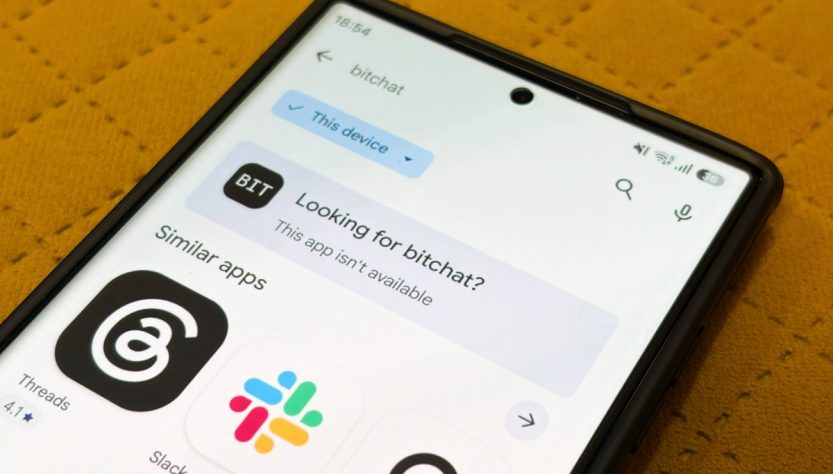
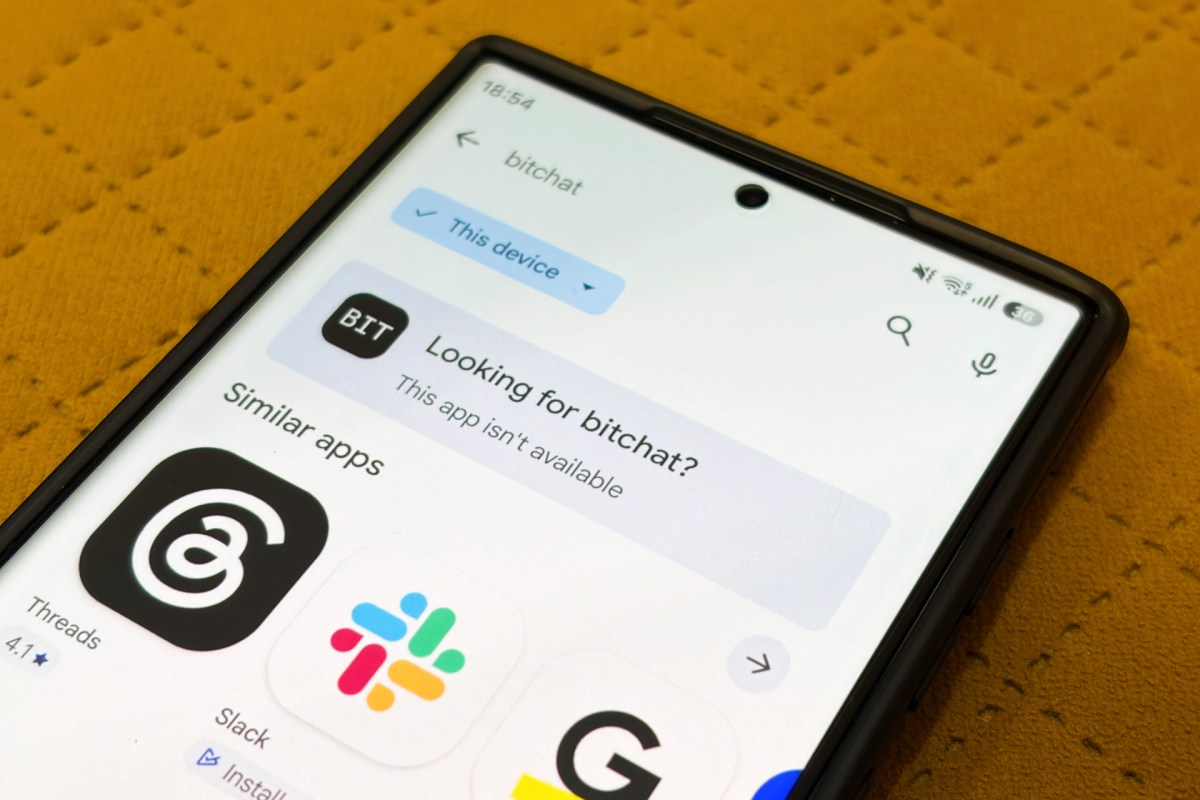
Bitchat, Jack Dorsey’s decentralized messaging app designed to work without an internet connection, has disappeared from Apple and Google’s app stores in India, months after New Delhi first sought to restrict access to the open-source software.
Dorsey said Saturday that the Indian government had ordered Apple to remove Bitchat from its App Store in the country. In a notice from Apple that Dorsey posted on X, India’s Ministry of Electronics and Information Technology issued the demand under Section 69A of the Information Technology Act, the country’s primary legal provision for government-ordered online blocking.
Apple’s notice said Bitchat would remain available on its App Store outside India. However, access to the app through its TestFlight beta-testing service would also be blocked in the country.
Bitchat was also no longer available for download through Google Play in India when TechCrunch checked on Saturday. Bitchat’s website was also inaccessible across various internet service providers in the country. It was not immediately clear whether Google and internet service providers had also received directions from the federal government.
Apple, Google, and India’s IT ministry did not respond to requests for comment.
Launched in July last year, Bitchat uses Bluetooth mesh networking to allow nearby devices to exchange encrypted messages without relying on cellular networks, internet access, or centralized servers.
In July 2026, Dorsey revealed that Indian authorities had ordered GitHub to take down repositories associated with the open-source messaging app, raising questions among digital rights advocates and legal experts about the legal basis for restricting software based on its functionality.
The Indian government said in its order to GitHub at the time that Bitchat’s architecture made it hard for law enforcement agencies to intercept communications or trace users, and pointed to its ability to continue operating during internet shutdowns. The July order relied on a provision of India’s information technology law that deals with intermediaries and their liability for third-party content. That differs from Section 69A, cited in Apple’s latest notice.
The Internet Freedom Foundation, a New Delhi-based digital rights advocacy group, called the latest order unconstitutional, arguing that Section 69A allows the government to block unlawful information but not a messaging app because of its ability to operate during internet shutdowns. It also said neither the blocking order nor the allegedly illegal content cited as the basis for the action had been made public.
The latest restrictions on Bitchat come as India is seeing a fresh wave of youth-led protests over changes to the country’s voter rolls. Police detained several people during demonstrations in New Delhi on Saturday, as protesters demanded the resignation of India’s chief election commissioner over alleged manipulation of electoral rolls. Authorities suspended internet services around New Delhi’s Jantar Mantar for 12 hours on Friday during protests there.
During July’s protests, demonstrators reportedly turned to Bitchat and rival app Briar after authorities suspended internet services.
Interest in Bitchat surged in India around the same time. The country accounted for about 85% of the app’s global downloads between July 17 and July 23, up from roughly 1% in the previous 30 days, data from market intelligence firm Sensor Tower showed.
When you purchase through links in our articles, we may earn a small commission. This doesn’t affect our editorial independence.
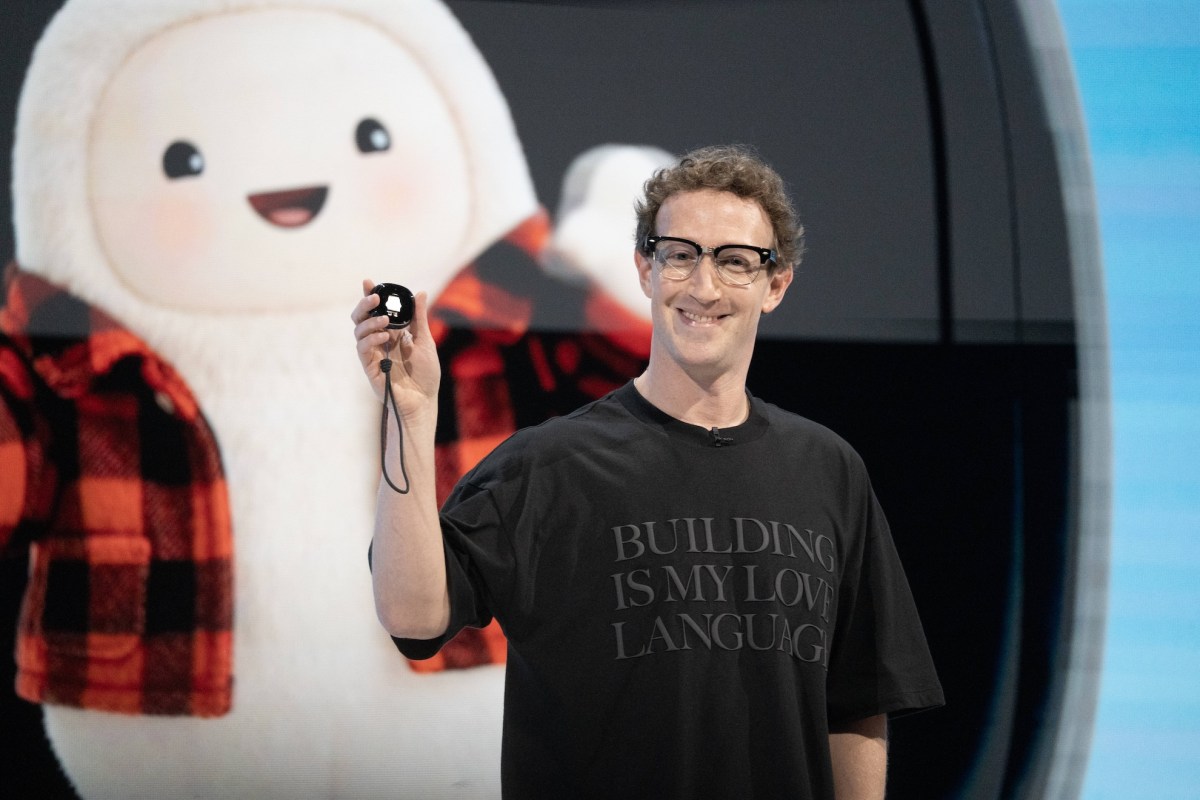
Meta’s Muse, a personal AI agent that books travel, fills out forms, and shops on a user’s behalf, has already proven popular with the masses, but a new side project could be particularly alluring to tinkerers and hackers.
On Friday, the company introduced Muse Gadgets, an open-source project that lets developers build their own hardware that connects to Muse.
Meta is providing open-source firmware (the low-level software that runs a device), and a Linux software development kit (SDK), along with a few project ideas to get users started. These include giving Muse a color e-ink display or loading it onto a stick that plugs into a TV’s HDMI port.
There don’t appear to be many limits, either. Users can set up a low-cost hobbyist computer like a Raspberry Pi or an off-the-shelf ESP32 board, and then connect Muse “to your displays, buttons, sensors, actuators, and whatever else you’ve got lying on your workbench,” Meta notes.
The company has also set up a Discord channel to support users.
Meta has already tried the code itself, naturally. Nat Friedman, head of product at Meta’s Superintelligence Labs, said in a post on X that the company built a gadget called Muse Home Link. The USB-C-powered device lets Muse connect to a home network and talk to the smart devices on it, including speakers and smart TVs.
Meta made 5,000 of these Home Links, in fact, and is giving them away for free to Muse subscribers while supplies last, according to Friedman. Considering Friedman’s post about Home Link received nearly 30,000 views in a few hours, we’re guessing those freebies have been claimed. Friedman said Home Link would be ready to ship a few weeks.
Muse Gadgets may not have wide appeal, but it fits nicely into Meta’s all-in strategy to make Muse more than a standalone chatbot. Meta isn’t content to push Muse on everyday consumers; it’s also trying to woo small businesses and enterprises.
The company earlier this week introduced Muse for Small Business, which is free with usage limits and connects Muse to tools such as Shopify, Dropbox, and Slack. It has also launched a new business unit, Meta Enterprise Platform, to help it push its AI offerings to businesses and corporate customers.
When you purchase through links in our articles, we may earn a small commission. This doesn’t affect our editorial independence.
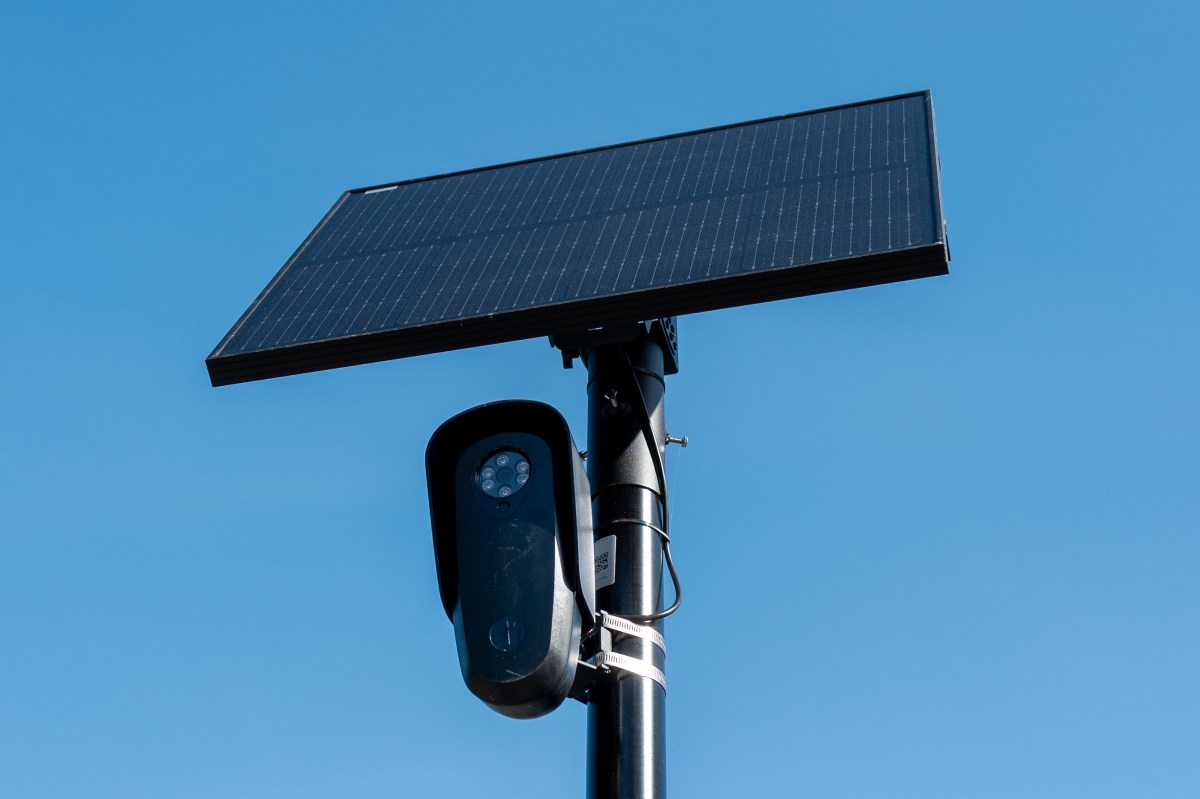
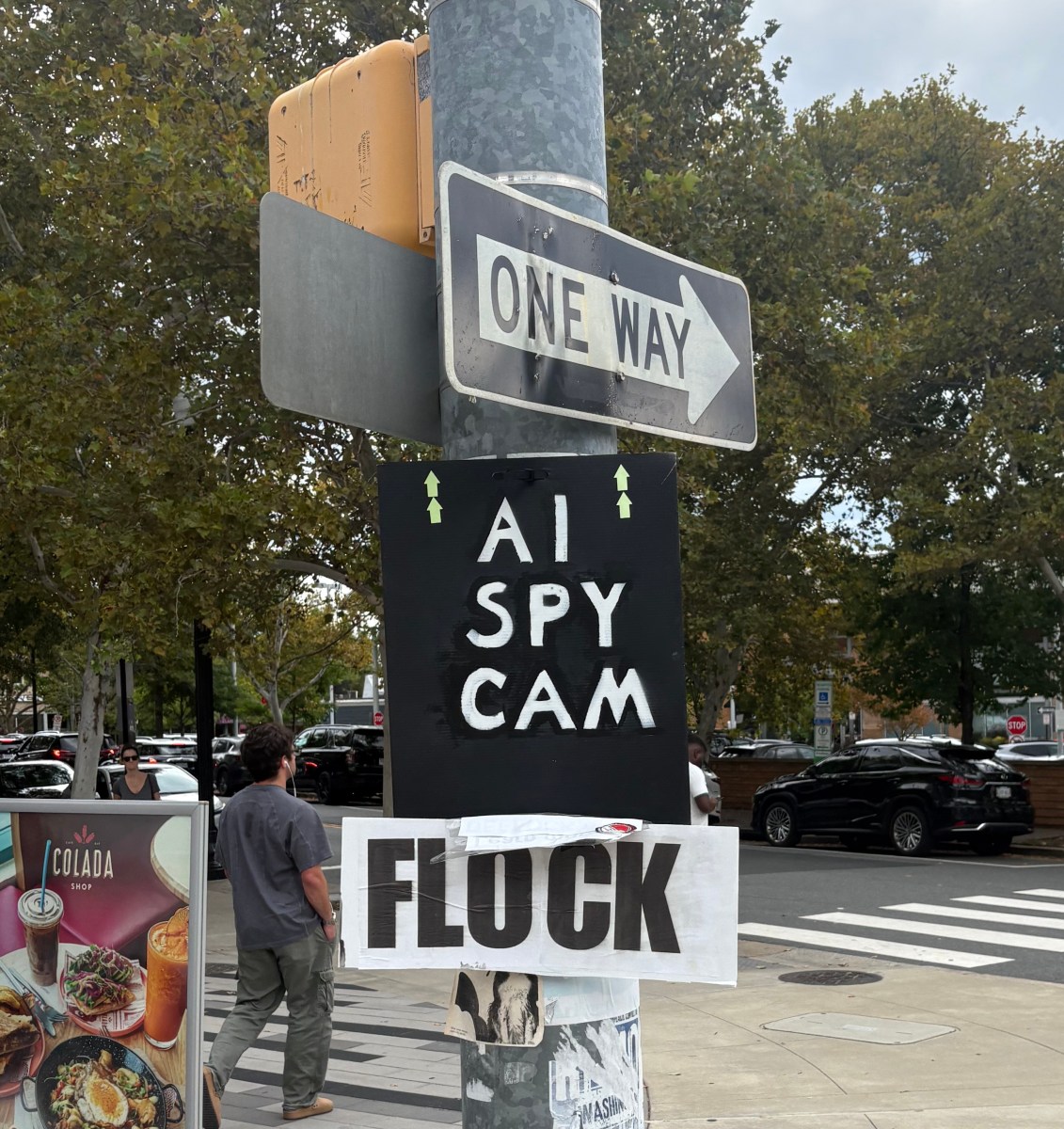
Flock Safety, whose cameras scan license plates across the country, continues to draw public anger, and now Senator Bernie Sanders wants the federal government out of the business altogether.
Sanders (D-Vermont) on Friday introduced the Ban Flock Act, which would bar federal agencies from using automatic license plate readers (ALPRs) or tapping into data collected by readers run by local police and private companies. Despite its title, the bill doesn’t call out nine-year-old Flock in the text but rather covers any and all ALPR systems.
The bill allows exceptions only for toll collection and for uses that Congress approves in future legislation, which would have to limit data retention to 48 hours.
State and local governments would be dinged financially for not complying if the bill became law. (Like most bills, this one faces long odds.) Starting the first fiscal year after enactment, they would lose grants from five federal departments, including the Justice Department and the Department of Homeland Security, unless they ban the tech.
Americans could also sue the federal government over violations, and state attorneys general could enforce the law.
Flock is the largest ALPR vendor in the U.S., according to Sanders, with more than 120,000 cameras. In a blog post back in February, the company — currently valued by its venture backers at north of $8 billion — said its network processes more than 20 billion vehicle reads each month.
Under increasing pressure from communities that are protesting the product, suspending their use, and, at an escalating rate, canceling their contracts, Flock has tightened its rules. In August, CEO Garrett Langley, who’d previously said that how police use the cameras is up to local agencies, announced a new default data retention period of seven days, down from 30.
Customers must also now use an audit tool that locks officers out pending review when it flags unusual searches. In one of the highest-profile cases of an officer abusing Flock’s platform, a former Milwaukee officer pleaded guilty to misconduct after searching for his then-partner and her ex 179 times, listing the reason as “investigation.” (During a recent podcast interview, investor Jason Calacanis suggested a “double-key” system in which two people must approve a search, and Langley said the idea is “on the whiteboard.”)
Representative Alexandria Ocasio-Cortez (D-N.Y.) and Senator Jeff Merkley (D-Ore.) are co-sponsors.
We’ll be sitting down with Langley at our upcoming Disrupt event, October 13-15 in downtown San Francisco.
When you purchase through links in our articles, we may earn a small commission. This doesn’t affect our editorial independence.
Confidenţialitatea ta este importantă pentru noi. Vrem să fim transparenţi și să îţi oferim posibilitatea să accepţi cookie-urile în funcţie de preferinţele tale. De ce cookie-uri? Le utilizăm pentru a optimiza funcţionalitatea site-ului web, a îmbunătăţi experienţa de navigare, a se integra cu reţele de socializare şi a afişa reclame relevante pentru interesele tale. Prin clic pe butonul "DA, ACCEPT" accepţi utilizarea modulelor cookie. Îţi poţi totodată schimba preferinţele în orice moment privind modulele cookie.Cookie settingsACCEPT
Privacy & Cookies Policy
Privacy Overview
This website uses cookies to improve your experience while you navigate through the website. Out of these cookies, the cookies that are categorized as necessary are stored on your browser as they are essential for the working of basic functionalities of the website. We also use third-party cookies that help us analyze and understand how you use this website. These cookies will be stored in your browser only with your consent. You also have the option to opt-out of these cookies. But opting out of some of these cookies may have an effect on your browsing experience.
Necessary cookies are absolutely essential for the website to function properly. This category only includes cookies that ensures basic functionalities and security features of the website. These cookies do not store any personal information.
Any cookies that may not be particularly necessary for the website to function and is used specifically to collect user personal data via analytics, ads, other embedded contents are termed as non-necessary cookies. It is mandatory to procure user consent prior to running these cookies on your website.