
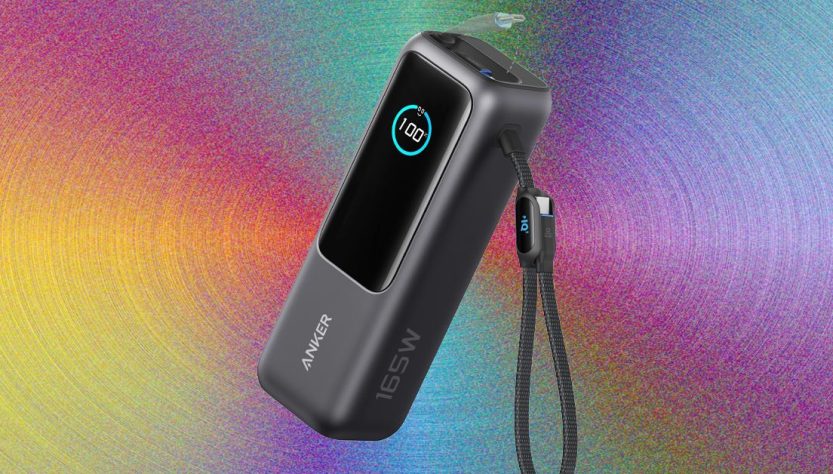
Years back, the Samsung Galaxy Note 7 gained notoriety due to battery fires in multiple instances. Since that time, similar isolated occurrences have transpired. Despite the focus on faulty batteries, the majority of lithium-ion batteries remain secure.
Lithium-ion cells engage in a sophisticated chemical interaction involving a negative and a positive electrode. The negative electrode consists of a lithium-carbon compound, while the positive is cobalt oxide, although many are moving away from cobalt. These compounds interact safely under control, supplying energy to devices. Nevertheless, an uncontrolled reaction can lead to problems such as melting earbuds. Disruptions to this equilibrium can arise from excessive heat, physical damage, and incompatible chargers.
Here are three safety guidelines for batteries:
1. Steer clear of inexpensive cords, chargers, and outlet adapters.
2. Make sure batteries aren’t subjected to extreme heat (above 110°F).
3. Frequently check batteries for any damage.
Avoid cheap wall adapters, cords, and chargers as they’re often problematic. Those low-cost options on Amazon? Not worth the risk. They reduce expenses by compromising on insulation and safety. A low price doesn’t equate to guaranteed safety; choose reputable brands.
Heat remains another issue. It can result in a range of problems concerning both discharge and safety. Stay away from heat and keep an eye on battery temperature during charging. Overheating while charging could signal potential issues. Additionally, be vigilant about swollen or irregularly shaped batteries.