AI Research Is Becoming More and More Interwoven With Geopolitics

AI Research Is Becoming More and More Interwoven With Geopolitics

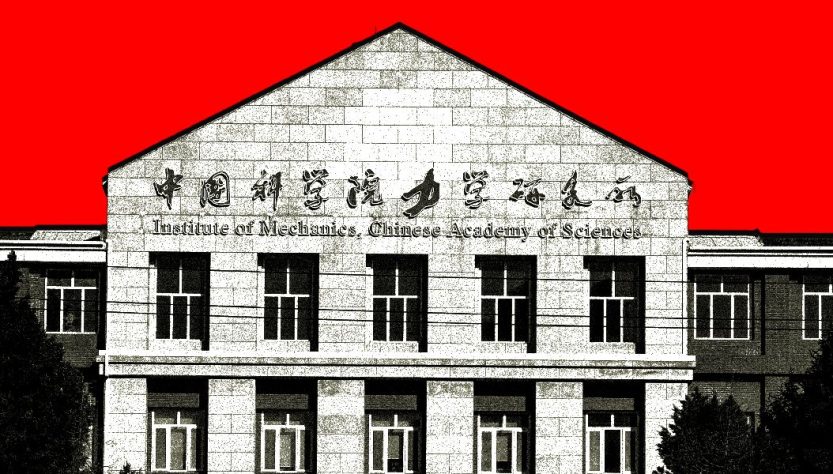
The prominent AI research event, NeurIPS, recently encountered a controversy intertwining geopolitics with worldwide scientific cooperation. The conference initially set forth but quickly revoked new limitations on international participation after Chinese AI researchers indicated a possible boycott. Paul Triolo from DGA-Albright Stonebridge emphasized the necessity of drawing in Chinese researchers to serve US interests, amidst American demands to sever AI collaborations. These strains pose a risk of discouraging Chinese researchers from interacting with US academic institutions and technology firms. NeurIPS first delineated restrictions in its handbook, associating with US-sanctioned organizations, impacting researchers at companies such as Tencent and Huawei. The listing also encompassed Russian, Iranian, and other foreign entities. In light of the outcry, NeurIPS narrowed the restrictions to a list aimed at terrorist and criminal groups. The organizers acknowledged a mistake, attributing it to a lapse in communication with their legal team. The revised rule elicited a prompt reaction, especially from China, a key hub for AI expertise. Chinese academic organizations condemned the action, dissuading participation and advocating for national conferences. The China Association of Science and Technology (CAST), a notable body, revealed it would shift funding from NeurIPS attendance to endorse other conferences valuing Chinese scholars, also indicating that NeurIPS 2026 publications would not be counted towards research funding assessments, unless any policy change occurs.
OpenAI Unveils Major Growth of London Office

OpenAI Unveils Major Growth of London Office

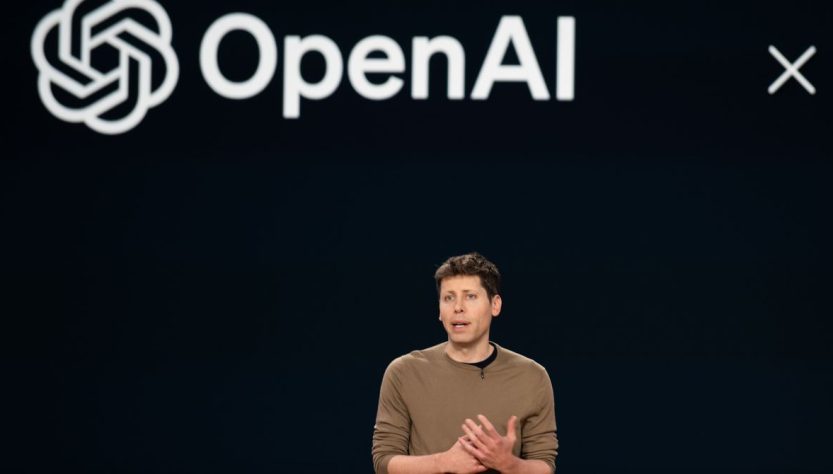
OpenAI has unveiled intentions to convert its London location into its most extensive research center outside of the United States. Founded in 2023, the UK office seeks to broaden its research team by drawing talent from premier British universities, though exact hiring figures remain unspecified.

Mark Chen, OpenAI’s chief research officer, underscored the globally recognized talent and institutions in the UK as pivotal factors for this expansion, reinforcing AI safety and utility. This initiative positions OpenAI in direct rivalry for top research talent with Google DeepMind, which is steered by British researcher Demis Hassabis and operates from London. DeepMind actively partners with Oxford and Cambridge Universities through professorships, funded research endeavors, and collaborative projects.

Recent career fairs at Oxford University demonstrated an increasing appetite for AI positions, marked by a rise in both job opportunities and student interest. Jonathan Black, director of the university’s careers service, highlighted the beneficial effects of these trends.

The London team will play a role in products such as Codex and GPT-5.2, while also prioritizing model safety, reliability, and performance assessment. UK science and technology secretary Liz Kendall commended the initiative as evidence of the UK’s preeminent position in AI research.

This announcement coincides with the UK’s initiatives to upgrade data center and power infrastructure to accommodate the growing computing needs of AI firms, including OpenAI.

The Final Enigma of Antarctica's 'Blood Falls' Has Ultimately Been Resolved

The Final Enigma of Antarctica’s ‘Blood Falls’ Has Ultimately Been Resolved

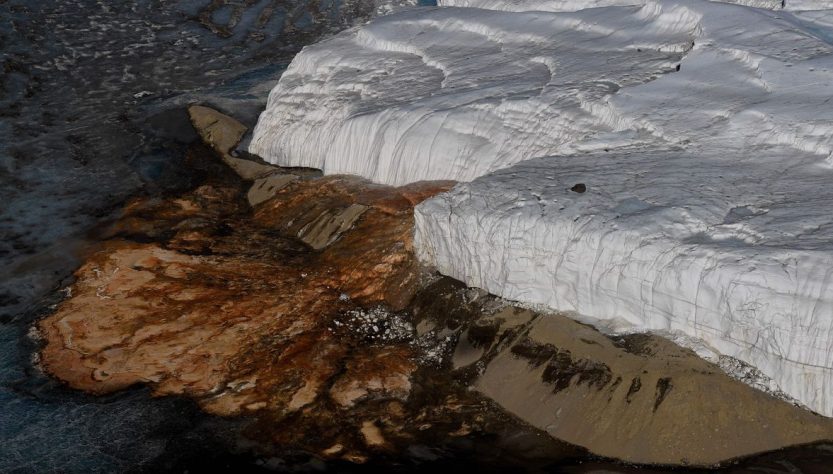
There exists a section of Antarctica that brings to mind a scene from a David Cronenberg movie. Situated within the arid valleys of McMurdo, this expansive frozen wasteland sporadically expels a crimson plume from the glaringly white Taylor Glacier. Referred to as the Blood Falls, since their identification by geologist Thomas Griffith Taylor in 1911, they have generated scientific fascination for over a century.

Recent studies from 2018 onward have shed light on numerous enigmas, including the origin of their red coloration and the reason they remain liquid at nearly –20 degrees Celsius. Newly released research in the journal Antarctic Science resolves the mystery, clarifying the processes that compel the falls to surface from below ground.

The Science of the Blood Falls

Taylor initially attributed the hue to red microalgae. More than a hundred years later, it is now understood that the redness arises from iron particles encapsulated with other elements such as silicon, calcium, aluminum, and sodium in nanospheres. These are likely derived from ancient bacteria imprisoned underground: When the iron comes into contact with air, it oxidizes, leading to the characteristic rust color.

The fluid is a hypersaline brine that formed around two million years ago as the Antarctic Ocean receded. Its elevated salinity prevents it from freezing, enabling it to flow out intermittently.

The Recent Revelation

The ultimate question was what physically triggered the fluid to burst forth. The answer surfaced from examining GPS data, thermal sensors, and high-resolution photographs from 2018. The Blood Falls are a result of pressure fluctuations in the brine beneath the glacier.

As Taylor Glacier shifts, its ice mass compresses the subglacial channels, generating substantial pressure. When the stress reaches a critical point, the ice fractures: Pressurized brine seeps through fissures and erupts. This expulsion functions as a hydraulic brake, temporarily hindering the glacier’s movement. This finding seems to clarify the enigmas surrounding the Blood Falls, although the effects of global warming on the system remain ambiguous.

This narrative originally appeared on WIRED Italia and has been translated from Italian.