
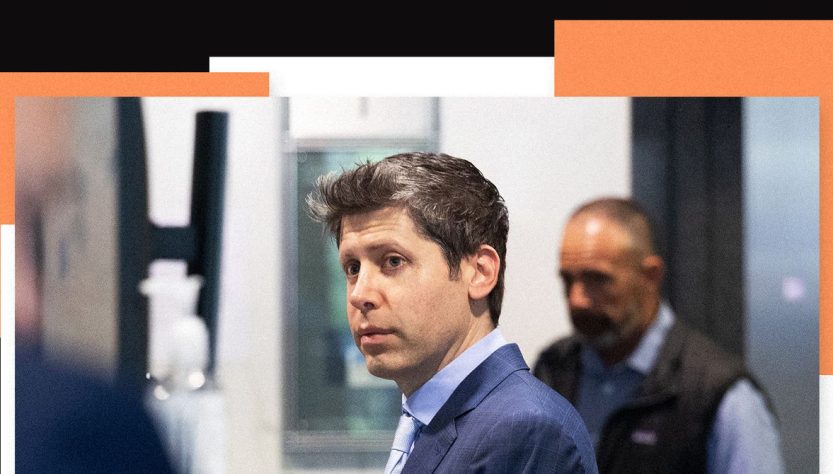
Sam Altman appeared in court on Tuesday during the Musk v. Altman trial, being questioned by lawyers for Elon Musk regarding his purported past of misleading conduct. The cross-examination held great importance for Musk, who has faced difficulties in presenting a solid case. Altman addressed claims from former associates questioning his reliability.
Emphasizing this proof is vital for Musk, not only for prevailing in the lawsuit but also in the realm of public perception. Just days prior to the trial, Musk messaged OpenAI president Greg Brockman, insinuating that they might soon “be the most hated men in America.”
Musk’s legal action alleges that Altman misappropriated the OpenAI charity, rerouting Musk’s $38 million contribution to establish a for-profit enterprise valued at over $850 billion.
However, on Tuesday, minimal evidence was provided to back Musk’s claims. Both Altman and Sam Teller, Musk’s former chief of staff, stated they did not remember Musk imposing any stipulations on his donations to OpenAI. It seems that Musk initiated his lawsuit too late, years after suspecting a breach of charitable trust, with the statute of limitations having lapsed.
Brockman, his spouse Anna, and OpenAI’s chief futurist Joshua Achiam were present in the audience. Nonetheless, Musk did not remain for Altman’s testimony, as flight records indicate he headed to the Washington, DC, area before a trip to China with President Donald Trump.
Before engaging with Musk’s lawyers, Altman shared his perspective through inquiries from OpenAI’s attorneys. He portrayed himself as an entrepreneur passionate about the potential of AI. He asserted that Musk has consistently aimed to dominate OpenAI, recounting an eerie incident when Musk suggested transferring control to his children in the event of his death. Altman detailed Musk’s 2018 effort to establish an AI division at Tesla, offering Altman a position in it, as a subtle threat to OpenAI’s survival.
Intense Questioning of Altman
Musk’s attorney, Steven Molo, initiated the cross-examination by questioning Altman’s trustworthiness. Altman affirmed his belief in his own reliability but stated it’s up to the jury to reach a conclusion. The dialogue progressed:
Molo: Do you consistently speak the truth?
Altman: I’m certain there are times in my life when I have not.
Molo: Do you fabricate stories to promote your business interests?
Altman: No.