
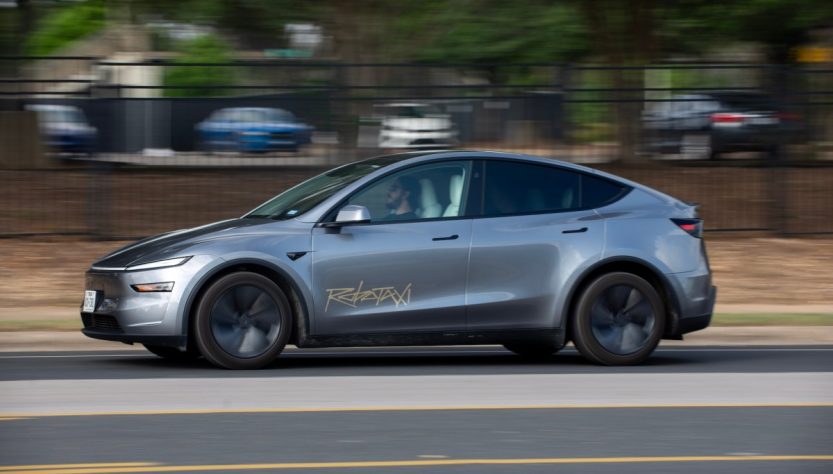
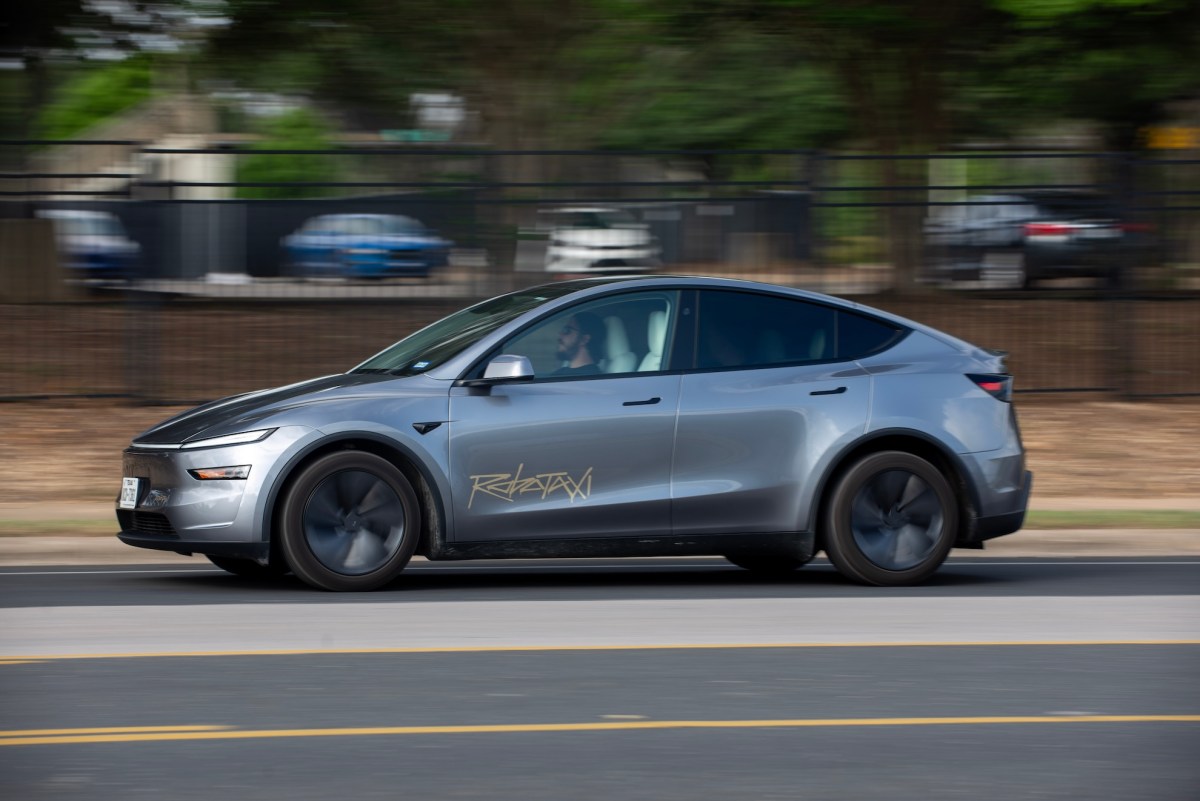
Since July 2025, Tesla Robotaxis have experienced at least two crashes while being remotely driven by a teleoperator, as revealed by newly disclosed data submitted to the National Highway Traffic Safety Administration (NHTSA).
Both incidents took place in Austin, Texas, at low speeds. In each event, a safety monitor was in the driver’s seat and no passengers were present.
This new information was released just a few months after Tesla informed legislators that its remote operators could control one of the company’s vehicles as long as the speed remained below 10 miles per hour. “This capability allows Tesla to quickly maneuver a vehicle that might be in a tough situation, reducing the necessity to wait for first responders or Tesla field agents to manually retrieve the vehicle,” the company stated at that time.
Like other firms developing autonomous vehicle technologies, Tesla is obligated to report detailed information about any accidents to the NHTSA. However, unlike most others in that space, Tesla consistently redacted information about its crashes, claiming it was proprietary business information.
It remains uncertain what prompted the change, but Tesla shifted its stance this week, and the latest data released by the NHTSA now includes a detailed account of all 17 crashes Tesla has documented since the inception of its Robotaxi network last year.
In July 2025, shortly after launching the network in Austin, the company’s automated driving system (ADS) reportedly struggled to move forward while stopped on a road. The safety monitor sought assistance from Tesla’s remote help team, leading a teleoperator to “take control of the vehicle and gently accelerate, steering the Tesla ADS to the left side of the street.”
The teleoperator subsequently drove “up onto the curb and struck a metal fence.”
A similar incident occurred in January 2026. The Tesla ADS was proceeding straight on a roadway when the safety monitor “requested support for vehicle navigation.”
“The teleoperator assumed vehicle control when the ADS was halted and continued straight down the street. The Tesla vehicle collided with a temporary barricade set up for construction work at roughly 9MPH, damaging the front-left fender and tire,” according to the data submitted to the NHTSA.
In line with other companies in the autonomous vehicle sector like Waymo, a majority of the newly disclosed crashes involve Tesla Robotaxi vehicles being struck by other vehicles rather than causing accidents themselves.
However, at least two incidents involved a Tesla Robotaxi grazing its mirrors against other cars. One accident from September 2025 saw the Tesla ADS unable to avoid hitting a dog that dashed into the street. (Tesla stated that the dog managed to escape.)
In another September 2025 incident, a Tesla Robotaxi made an unprotected left turn into a parking lot and collided with a metal chain. (The NHTSA recently concluded an investigation into Tesla’s Full Self-Driving software, which occasionally crashes into parking lot barriers, chains, and gates. Waymo also issued a recall last year concerning a similar issue.)
While competitor robotaxi companies such as Waymo and Zoox have reported more accidents than Tesla, Elon Musk’s company operates at a significantly smaller scale. The details unveiled this week in the newly unredacted data may clarify why Tesla is cautiously expanding its early-stage autonomous ride-hailing service. Musk himself acknowledged last month that “ensuring total safety” is the primary limiting factor for Tesla’s expansion, stating that the company is proceeding with “great caution.”
When you buy through links in our articles, we could earn a small commission. This doesn’t compromise our editorial independence.