How to book and modify your WhatsApp username

How to book and modify your WhatsApp username

The chat application WhatsApp, owned by Meta, began the rollout of username reservations for its 3 billion users in early June. While the username functionality isn’t yet active, users can reserve their usernames and utilize them once the feature is launched later this year.

With the introduction of usernames, individuals can share their WhatsApp contact details without revealing their phone numbers. This is particularly beneficial for those who wish to be contacted via WhatsApp but prefer not to disclose their personal information or phone number. For businesses, providing a name may be simpler than giving out a phone number to clients.

WhatsApp username reservation rollout
Image Credits: Jagmeet Singh / TechCrunchImage Credits:Jagmeet Singh / TechCrunch

Here’s how you can reserve your username:

  • Navigate to Settings > Account and select the Username option found in the “Your Account” section.
  • If this is your first time creating a username, you will see a “Create username” option, allowing you to enter and choose your desired username.
  • Should the username you selected be unavailable, WhatsApp will provide alternative suggestions if you click on the “suggest a username” option.

WhatsApp has set aside specific usernames for public figures and organizations, so those cannot be claimed by individual users. If you possess a username from Facebook or Instagram, logging in via either platform allows you to secure your handle as a username as well.

Once you’ve established your username, you can return to the same menu to modify it by clicking on the “Edit” button at the top right corner. You can also choose to delete your username from here.

Furthermore, WhatsApp introduces an additional layer of security with a username key. From the username menu, you can set restrictions on who can contact you, choosing from “Everyone” to “People who know my key.” In this way, individuals familiar with your username must enter a four-digit key before initiating contact with you for the first time. Users have the option to save the key or create a new one whenever necessary.

The username feature is expected to launch in the upcoming weeks. Until then, WhatsApp is permitting users to reserve their usernames to prevent duplicates.

By using links in our articles for purchases, we may earn a small commission, which does not influence our editorial independence.

Bentley Torcal EV: Cost, Features, and Market Launch

Bentley Torcal EV: Cost, Features, and Market Launch

Bentley has revealed its inaugural fully electric vehicle, called Torcal. The renowned British marque introduced this alongside a teaser photo of the EV’s back and is set to unveil it in full on September 23, 2026. More noteworthy than the name is that this signifies Bentley’s entry into the fully electric vehicle segment. While specifics are limited until the official unveiling, Bentley has indicated that this 5-meter-long SUV will offer a range exceeding 300 miles.

The name Torcal gained attention earlier this year when trademark applications indicated that Bentley had secured both “Torcal” and “Barnato” in Europe and the UK for use in motor vehicles, including electric cars, charging cables, and infrastructure. Although Barnato was anticipated as the chosen name, named after the 1920s race car driver Woolf Barnato, Bentley decided on Torcal instead.

The Torcal name adheres to Bentley’s tradition of naming cars after natural landmarks, referencing El Torcal de Antequera in Spain, celebrated for its limestone formations. Notably, Torcal is linked to the Latin term “torquere,” meaning to twist, which is the origin of the word torque.

WIRED had an exclusive preview of the Torcal near Bentley’s headquarters in the UK. Though most information is still confidential, it’s evident that this new electric SUV carries a design heritage similar to the Bentayga, though a bit smaller, featuring a long hood and distinctive front. Despite some variations, like less defined rear haunches, it remains a captivating SUV with attributes such as a glass sunroof and unique light clusters. The rear lights differentiate from the Bentayga’s classic oval shape, adopting a streamlined design. The rear roofline slopes downward, in line with other electric vehicle aesthetics to minimize drag and enhance range.

The front of the Torcal boasts a striking new grille, replacing radiator openings with a lit crystal wall inspired by the Continental T, creating a bold visual impact in contrast to subtle luxury.

Inside, power doors reveal a combination of essential buttons and OLED displays, with a central screen curving in a manner reminiscent of the new Cayenne. Unlike some luxury competitors, Bentley does not provide a separate screen for passengers, nor does it plan to.

Bentley chairman and CEO Frank-Steffen Walliser characterizes Torcal as “the most carefully considered vehicle” in the company’s legacy, launching at a challenging moment for premium electric vehicle introductions. The market witnessed Lamborghini cancel its Lanzador electric GT due to insufficient demand, while Ferrari’s Luce EV launch impacted its market valuation, resulting in a postponement of its second electric model until 2028.

Station F accelerates as a launching pad for Europe’s leading AI startups

Station F accelerates as a launching pad for Europe’s leading AI startups

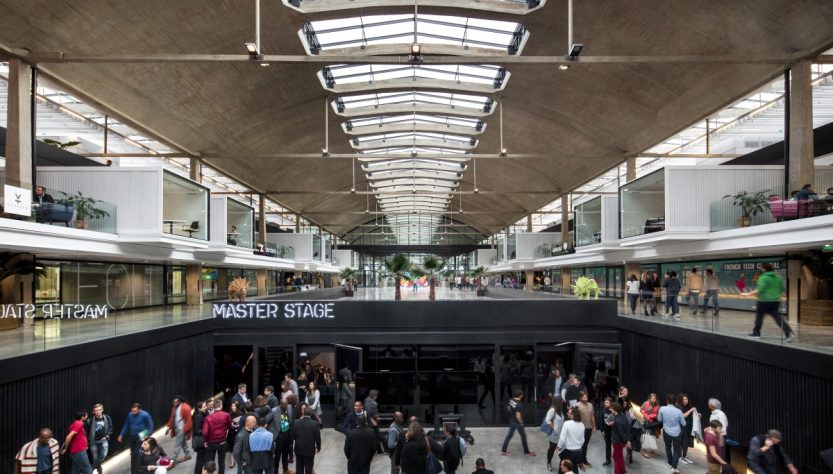
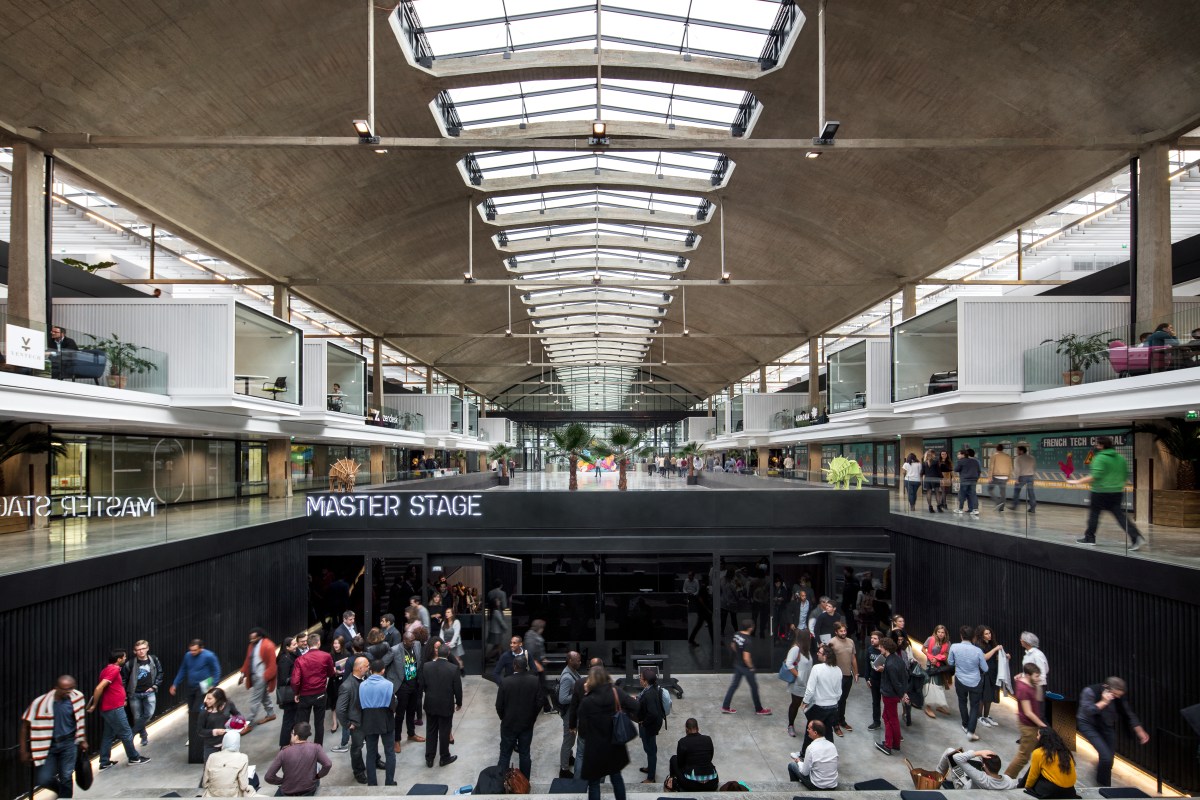
Station F, a startup incubator located in Paris and established by the French billionaire Xavier Niel, is preparing for a new iteration of its F/ai accelerator program to enhance its role as a launchpad for promising AI startups.

Initiated in January of this year, F/ai intends to commence its second batch this September, with the goal of assisting a select group of AI-centric startups transition from initial product phases to actual revenue within a few weeks.

Covering 538,000 square feet, Station F is frequently labeled as a co-working space, yet its impact goes beyond just the physical environment, according to its director Roxanne Varza in a discussion with TechCrunch.

A case in point is Station F’s Future 40 annual selection, where the team identifies the most promising groups from nearly 1,000 companies they host each year. In 2024, TechCrunch noted that almost all of the selected cohort integrated AI into their fundamental business operations.

Currently, Station F is well-positioned to witness the growth of AI startups, capitalizing on its status as a key element of “la French Tech.” The startup incubator has also successfully used its influence to secure equity interests in its Future 40 firms. “We have been investing [in these companies] since 2022,” Varza mentioned.

Supported by its expansive size and Niel’s network, Station F has become a popular destination for officials wanting to engage with Europe’s tech ecosystem, hosting at least 11 presidential visits since President Macron’s first tour in 2017. It has also received notable figures from the AI sector, including Sam Altman, and is now utilizing these connections for F/ai.

The inaugural cohort of F/ai’s program was endorsed by an impressive lineup of major tech companies — AMD, Anthropic, AWS, Clay, Google, G42, Hugging Face, Lovable, Meta, Microsoft, Mistral AI, OpenAI, OVHcloud, Snowflake, and Qualcomm — along with various VC firms.

The second cohort is expected to include even more prominent names, as reported by TechCrunch: Eleven Labs, Nebius, Rippling, OpenRouter, Hubspot, and Github.

“The objective was to unite all the key players to simplify connections for [AI] startups aiming to launch in Europe,” Varza shared.

Two teams from the accelerator’s initial batch have already achieved international acclaim: Alpic, which triumphed in the global grand finale of The Pitch, a contest hosted by Deel; and Rippletide, which won the OpenAI Codex Hackathon.

While accolades are generally beneficial, especially when they bring in funding, F/ai is concentrated on enabling its cohort to generate revenue, aiming for €1 million (approximately $1.14 million) within six months. “We’ve received a fair amount of criticism regarding the slow commercialization pace of European startups,” Varza remarked. “This aligns them with what investors are observing in the U.S.”

Investors appear to be pleased with the progress so far. The first cohort collectively secured $34 million in pre-seed funding, as per Station F. The proven track record of the teams may have also contributed: 80% of these 20 AI startups were founded by serial entrepreneurs, a third of whom possess PhDs.

The founder demographics skew in this manner primarily because F/ai chooses its cohort exclusively based on recommendations from founders, partners, and investors — a method that may contribute to the insularity and elitism sometimes attributed to France’s tech sector.

However, although teams cannot apply directly, they can connect with one of F/ai’s numerous partners, and possibly soon with alumni, Varza stated. She noted that Station F has around 30 other programs available for startups to apply for.

Accessibility appears to be a significant priority for F/ai, which has previously hosted notable figures like Turing Award winner Yann LeCun for private discussions. “Nowadays, if the founders here wish to speak to individuals at this caliber, they often believe they need to travel to the U.S. and enroll in a program there. We really want to demonstrate that it’s possible to stay here and accomplish it from this location,” Varza conveyed.

When you make a purchase through links in our articles, we may receive a small commission. This does not influence our editorial independence.

Smart eyewear manufacturer Even Realities achieves a $1B valuation following $150M funding spearheaded by Meituan and Tencent.

Smart eyewear manufacturer Even Realities achieves a $1B valuation following $150M funding spearheaded by Meituan and Tencent.

Last month, Meta and Snap introduced new smart glasses, highlighting the industry’s rapid push to integrate a camera and AI assistant onto users’ faces. As the burgeoning market becomes increasingly competitive, newcomers like Even Realities are encroaching on the established players.

Even Realities, a Shenzhen-based startup founded three years ago, has secured $150 million in a pre-Series B funding round led by Meituan and existing investor Tencent; this funding round has valued the startup at $1 billion. Founder and CEO Will Wang informed TechCrunch that while competitors are pursuing devices equipped with cameras focused on content capture and AI, his company is prioritizing display-first glasses that transmit information directly into the wearer’s view without compromising privacy.

The earlier investors of Even predominantly include renowned Chinese firms such as Sequoia China.

Founded in 2023 by former Apple engineers, Even’s CEO Wang was involved in the development of the Apple Watch and iPhone; the other co-founders come from various tech backgrounds, including two from luxury eyewear brands like Lindberg. The startup quickly launched its first product, Even G1, in 2024, which Wang describes as the lightest waveguide smart glasses available at that time.

Even exceeded its original goal of selling 10,000 units, becoming the first company in this category to surpass that milestone, according to the CEO. It raised funds more swiftly than anticipated and expanded its team from 30–40 employees in 2024 to 300–400 now.

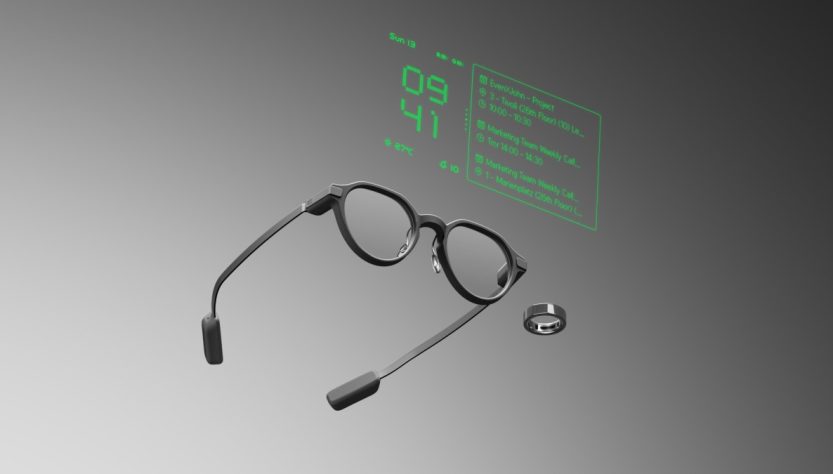
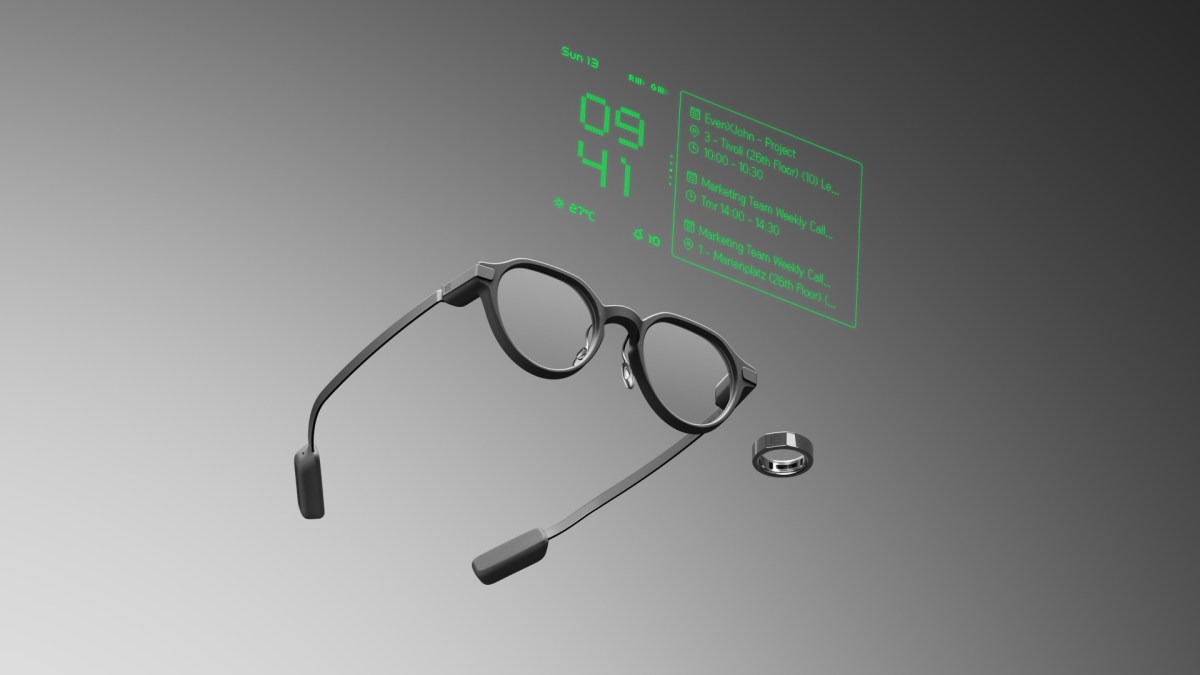
The latest flagship product, Even G2, was released last November and completely omits the camera. Instead, the glasses feature a heads-up display embedded in the frames that provides information to the wearer, controlled by a companion ring, the Even R1, which users interact with by tapping and swiping.

Omitting the camera is a crucial aspect of Even’s privacy approach, though not the only element, Wang elaborated. He noted that smart glasses are likely the most personal computing devices individuals will ever utilize. Since they are worn on the face throughout the day, they must be comfortable for both the wearer and those nearby, so privacy is integral to both the hardware and software design. Features such as voice translation convert audio to text without saving recordings; user data is encrypted, and the infrastructure complies with stringent European privacy regulations, Wang emphasized.

Even’s most dedicated users heavily utilize Conversate, a copilot that interprets conversations in real time, clarifying unfamiliar terminology or providing follow-up information as needed, and then syncing a summary to their mobile devices.

Nevertheless, Even has concentrated its investments primarily in optics (covering display and overall optical performance), which Wang believes distinguishes smart glasses from other consumer electronic devices.

“With a phone or a watch, the display is a standard OLED or LCD screen. Smart glasses represent the first product category that depends on optical displays, which necessitate an entirely different technological framework; the microchip, optics, and waveguide must all be designed cohesively. That’s where our greatest investments have been,” Wang stated.

The company has developed a proprietary optical technology dubbed Even HAO, or Holistic Adaptive Optics, a comprehensive design that merges the microchip, waveguide, and prescription compatibility from the outset, as opposed to assembling components that were developed separately. 

More than half of Even’s customer base resides in the U.S.—its most rapidly expanding market—and the majority of its developer community is located there. The company does not yet sell in China, despite manufacturing operations across various factories there; its primary markets include the U.S., Japan, South Korea, the Middle East, and Europe. “The demand is significant, so we want to ensure we’re fully prepared first,” Wang remarked.

Even prices its products near the top of the category while still achieving considerable sales volume, positioning it as a profitable entity in the market, according to Wang. “Most of our clientele consists of male professionals aged between 30 and 50. A survey we conducted revealed that about a third of our users hold executive positions in their companies,” he added. The frames are priced at $599 before tax; the prescription lenses or ring add an additional $200–$300, bringing the average order total to around $1,000.

This article has been revised with details about previous investors in the company. 

When you purchase through links in our articles, we may earn a small commission. This doesn’t affect our editorial independence.

Eight Sleep Pod 5 Evaluation: The Most Intelligent, Noisiest Mattress Available for Purchase

Eight Sleep Pod 5 Evaluation: The Most Intelligent, Noisiest Mattress Available for Purchase

The Enhanced membership is priced at $25 monthly or $299 yearly, providing a five-year warranty, which is crucial for such a significant expenditure. While I haven’t experienced any hardware issues, the system’s nightly usage of pumps, tubing, and sensors introduces more potential points of failure compared to standard mattresses, and consumers have noted problems that necessitated warranty replacements over time. Replacing hardware post-warranty could be expensive. The Elite tier, available at $33 per month or $399 annually, not only features a five-year warranty but also incorporates a Health Check.

Additional factors to consider include privacy concerns, dependence on the cloud, and corporate access to personal spaces. Last year, security flaws were identified in Eight Sleep’s firmware, potentially allowing remote access and data to be transmitted to AWS, encompassing sleep patterns and bed occupancy. Eight Sleep revised its security measures, now necessitating user consent for remote access with customer service.

Cloud connectivity is essential for the Pod’s operations, with AWS outages impacting temperature regulation and adjustable functionalities. Eight Sleep has implemented Backup Mode to alleviate these issues, although future interruptions could still occur.

The Pod 5 stands out as a temperature-managing sleep tracker, but worries regarding required subscriptions, privacy, and dependence on the cloud amplify the disparity between its price and worth. Current Eight Sleep users may find the trade-in program advantageous. New customers should be informed of the complete details before making a purchase.

For my part, I’ll keep using it.

I haven’t tried these add-ons, but here are the available accessories:

– **Base for $1,999**: Adjustable 3-inch base improves comfort and sound features.
– **Blanket for $999**: Hydro-powered, aligns with Pod Cover’s dual-zone temperature.
– **Air Pillow for $299**: Memory foam infused with temperature-regulating gel for breathability.
– **Pillow Cover for $999**: Integrates with Pod Cover for head/neck temperature management.
– **Pod Protector for $119**: Moisture-wicking, waterproof cover shields against allergens and spills.
– **Mattress starting at $1,899**: Five-layer mattress crafted for use with Pod Cover.

This humanoid robotics firm is heading to the stock market, yet its CEO isn't assuring that a robot will be in your household in the near future.

This humanoid robotics firm is heading to the stock market, yet its CEO isn’t assuring that a robot will be in your household in the near future.

The market for humanoid robotics is currently flooded with investments. Just last week, AI2 Robotics, a startup from Shenzhen specializing in wheeled humanoid robots, secured nearly $735 million at a valuation close to $3 billion. Earlier this year, Apptronik, an Austin-based manufacturer of humanoid robots for logistics and manufacturing, wrapped up a $935 million funding round, which positioned the company at over $5.5 billion. Last autumn, Figure AI, a startup based in San Jose working on general-purpose humanoid robots, reported securing $1 billion in Series C funding at an astonishing valuation of $39 billion.

In contrast, Peggy Johnson, CEO of Agility Robotics, maintains a surprisingly calm demeanor. We had a phone conversation last week, shortly after the firm revealed its intention to go public through a merger with Michael Klein’s Churchill Capital Corp XI, a SPAC. The deal puts Agility’s value at approximately $2.5 billion and is projected to generate over $620 million in gross proceeds, marking the largest capital raise in the history of humanoid robotics. The merger is pending; shareholder approval and SEC review are still required, with completion anticipated later this year.

Founded in 2015 as a spin-off from Oregon State University, Agility is located in Salem, Oregon, and produces bipedal humanoid robots for operations in factories and warehouses. The SPAC strategy is noteworthy for several reasons. It will position Agility as the first dedicated humanoid robotics firm to be publicly traded, offering retail investors direct access to a field that has primarily been open to wealthy venture capital funds. Furthermore, it provides a rare glimpse into the financials of a company operating in a sector where most competitors are secretive about their figures and the technology they are developing.

Johnson, who previously served as executive VP of business development at Microsoft—where she played a significant role in the $26 billion acquisition of LinkedIn—and later as CEO of Magic Leap, the once-prominent augmented reality headset manufacturer, was cautious throughout our discussion. She refrained from providing forward-looking financial estimates, did not disclose the bill of materials for Agility’s flagship robot, Digit, and politely redirected any inquiries that drifted into speculation.

When asked why Agility is opting for a public listing via a SPAC instead of pursuing another private funding round—a structure that avoids the roadshow and pricing examination associated with a conventional IPO—Johnson explained that much of the decision rests on the first-mover advantage the company possesses as the inaugural entity of its type to go public. For investors eager to acquire shares in a prominent robotics firm, Agility represents “an acceleration story and a timing story,” she noted. The funds raised will facilitate an increase in production at their 70,000-square-foot manufacturing site in Salem, Oregon, and address an existing backlog of customer orders.

Regarding the negative perception surrounding SPACs—many companies that took this route to the public market in 2021 faced significant decline or are trading far below their initial price—Johnson remained unfazed. “If we stay focused, continuing to deliver customer by customer, robot by robot, we hope to avoid the same level of volatility,” she stated. “Our biggest competitor right now is simply ourselves. It’s about how rapidly we can execute and how quickly we can introduce new capabilities.”

The projects on the horizon extend well beyond trials, Johnson informed TechCrunch, highlighting over $300 million in confirmed multi-year revenue associated with approximately 1,000 robots participating in a robots-as-a-service model, where clients remit monthly fees instead of outright purchases. “Every entity on our list is already pre-qualified and has deployment strategies in place for their proof of concepts,” Johnson mentioned. Their clients include GXO Logistics, Amazon, Toyota Motor Manufacturing Canada, Schaeffler, and Mercado Libre.

Digit itself is a straightforward piece of machinery. Standing at about 5’9″, weighing around 160 pounds, it is engineered for one primary task: lifting heavy items within human-designed environments. Its standout feature is a set of reverse-bend knees—often described as “bird legs”—that enable it to reach from ground level to high shelving without its knees getting stuck in warehouse racks. (According to Johnson, Agility’s founders were not drawn to biomimetic designs for their own sake.) The robot’s hands comprise two thumbs and two fingers, meticulously designed for grasping heavy plastic containers, even as their contents shift during transport.

Johnson mentioned that Agility is “LLM-agnostic,” utilizing models like Claude and Gemini for what she refers to as the semantic layer—transforming high-level directives into robotic actions. She described a recent experiment in which engineers scattered a variety of waste on the floor and instructed Digit simply to “clean up this mess.” The robot successfully assessed, sorted, and disposed of everything accurately, even correctly classifying bubble wrap as non-recyclable.

Evidently, the physical layer—which encompasses balance, locomotion, and manipulation mechanics—is viewed as Agility’s core proprietary strength, developed over more than a decade of real-world deployment. “The LLMs had the entire internet to train on,” she remarked. “However, when considering the physical AI of humanoids—that technology is still not fully realized.” At least not in most companies. Johnson is convinced Agility stands apart: “We may have the most extensive data repository of actual operational robotics data in real-world contexts.”

Beyond mere data, Johnson argued that safety is where the divide between Agility and its rivals is the most significant and impactful. While competing companies often showcase their robots through lab demonstrations and scripted videos, Agility has had to meet stringent industrial safety certification standards to operate within customer settings. “You can’t design your robot and then ensure its safety,” she stated. “That requires redesigning. You must have all safety aspects certified—the electrical systems, all components, and the software backing all that.” (This concern is particularly crucial since humans are commonly present in the vicinity. Last November, Figure AI’s former head of product safety filed a lawsuit against the company, claiming he was terminated for voicing concerns that its robots had enough strength to potentially harm humans. Figure has contested these allegations.)

Concerning the home environment, Johnson believes humanoid robots will eventually reach that sector, but advised against expecting them to serve breakfast in bed anytime soon. She estimated it would take “10-plus years” for that to happen, noting that while warehouses and factories present their own complexities, they have organized aisles and predictable equipment and workflows, unlike homes, which are often chaotic, inhabited by pets, babies, guests, and scattered items.

“At least roads have some order to them,” Johnson remarked, likening the challenge to autonomous vehicles. “Most locations where humanoids will operate don’t share that quality.”

Agility is not dismissing the home market. Johnson indicated that the company plans to enter that sector when the timing is advantageous. However, for the time being, it is intensely focused on the warehouse segment, especially given the increasing number of retiring workers and younger individuals reluctant to accept physically demanding positions. “Currently, there are over a million vacancies in the US in these areas,” she noted. “They are incredibly challenging to fill.”


When you purchase through links in our articles, we may earn a small commission. This doesn’t affect our editorial independence.

Uber’s ambitions for expansion in Europe might have encountered an obstacle.

Uber’s ambitions for expansion in Europe might have encountered an obstacle.

In February, Uber revealed its ambitious strategy to enter seven new European markets by 2026 — however, the Financial Times now indicates that five of these launches are temporarily on hold. The countries affected include Austria, Norway, and Greece.

Uber appeared to validate this decision to the FT, noting that its recent rollouts in Finland and Denmark had achieved “remarkable success,” prompting a desire to “maintain the momentum” in its current markets.

Another probable reason for this choice: Uber’s ongoing attempts to merge with Delivery Hero, a European firm that turned down Uber’s 10 billion euro acquisition proposal in May.

It appears Uber still aspires to finalize the deal. A source within the industry suggested that halting further expansion might mitigate antitrust worries related to a possible acquisition, particularly since Delivery Hero provides delivery services in many of the targeted countries.

Trump memecoin backers lost $3.8 billion, analysis reveals

Trump memecoin backers lost $3.8 billion, analysis reveals

Almost 1 million individuals have experienced a combined loss of $3.8 billion after purchasing President Donald Trump’s $TRUMP memecoin, as reported by cryptocurrency analytics company Nansen.

According to The New York Times, Nansen’s evaluation relies on transactions that can be seen on the blockchain, revealing that 988,905 accounts had incurred losses on the memecoin by the conclusion of June. This equates to about two-thirds of $TRUMP purchasers.

On Sunday, $TRUMP was priced at $1.69, a decline of nearly 98% from its peak of $75.35.

Trump introduced the memecoin three days prior to his inauguration in 2025. Previously, he had co-founded a crypto venture, World Liberty Financial, with his sons. The $WLFI coin has also seen a substantial drop in value.

In a recent financial report, the president disclosed that he earned $636 million from the $TRUMP memecoin, representing nearly half of the $1.4 billion he garnered from the crypto sector last year.

During the Trump administration, the Securities and Exchange Commission announced it would not treat memecoins as securities and has withdrawn several lawsuits against cryptocurrency firms. A White House representative informed the NYT, “President Trump has proudly established the United States as the crypto capital of the world.”

Amazon will cease onboarding new clients for Mechanical Turk.

Amazon will cease onboarding new clients for Mechanical Turk.

These might be the final moments for Amazon’s Mechanical Turk.

A notice on the Mechanical Turk website indicates that the crowdsourcing platform will cease to accept new users on July 30, 2026. Amazon Web Services mentions this choice was made after “thorough consideration,” further stating, “Current users may continue to utilize the service as usual. AWS is committed to enhancing security and reliability for Mechanical Turk, but we do not intend to roll out new functionalities.”

In simpler terms, Amazon isn’t entirely shutting down the service, but it is certainly on life support.

Initiated in 2005, Mechanical Turk served as a marketplace where individuals received minimal payment for performing straightforward tasks that could not be fully automated — tasks like solving CAPTCHA challenges or discerning the general sentiment of a phrase.

During its prime, the platform was a focal point in discussions about the ethics of crowdsourced labor, and it even had a minor involvement in the early phases of the Facebook-Cambridge Analytica controversy. 

Starting in 2018, Amazon began promoting it as a resource for businesses to label data for training neural networks as part of its SageMaker AI offering.

Mechanical Turk has also been characterized as a concealed facilitator for companies that adopt a fake-it-till-you-make-it strategy with AI, where products claimed to be powered by AI are actually fueled by the Mechanical Turk labor force — a fitting parallel since the original Mechanical Turk was itself a deception, featuring a concealed human chess player masquerading as a chess-playing automaton.

As time passed, the connection between Mechanical Turk and AI models became increasingly intricate. In a twist of irony, a 2023 study unveiled that between 33% and 46% of users on the site were employing large language models to fulfill their tasks, prompting concerns regarding the dependability of the data annotated on the platform and whether human involvement was necessary at all.

This week, after Amazon’s announcement became known, one Reddit user remarked that the platform had actually expired “years ago,” with both workers and researchers leaving it behind due to bots and fraud. The user foresaw, “Somebody at Amazon will conclude that maintaining the Mturk servers is a futile use of time and resources and will decide to shut it down completely.”

When you click on links in our articles, we may earn a small commission. This does not impact our editorial independence.

5 workspace gadgets that can enhance your daily productivity

5 workspace gadgets that can enhance your daily productivity

We spend many hours at our desks each week (if not more), making it valuable to design a workspace that enhances productivity and enjoyment. The right desk accessories can assist in minimizing clutter, maintaining concentration, and providing added convenience throughout your day.

From mood lighting to intelligent mugs, there are numerous items crafted to elevate your desk experience, so we’ve compiled a list of several options. Whether you’re telecommuting or working at a corporate location, these gadgets can help enhance your workspace.

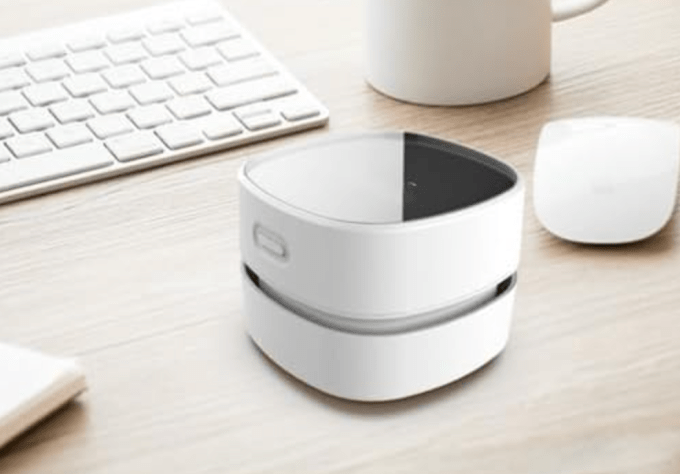
Odistar Desktop Vacuum Cleaner — $13

Image Credits:Odistar

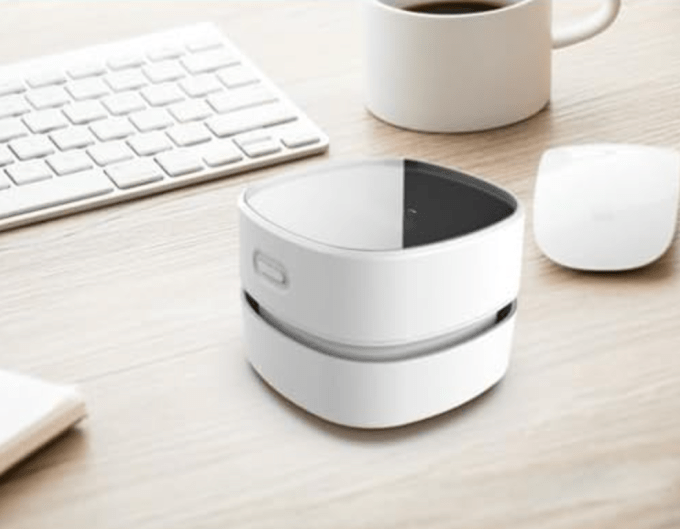
The Odistar desktop vacuum offers an economical solution for maintaining a clean, crumb-free desk, especially if you often have lunch or snacks at your workspace. It’s also handy for cleaning your keyboard, removing dust and debris from between keys. 

It operates quietly and is easy to use, plus, its compact design allows you to keep it on your desk or stowed away in a drawer when not in use. It’s cordless and powered by two AA batteries. Priced at just $13, this desktop vacuum is an excellent way to keep your workspace tidy as you go about your tasks. 

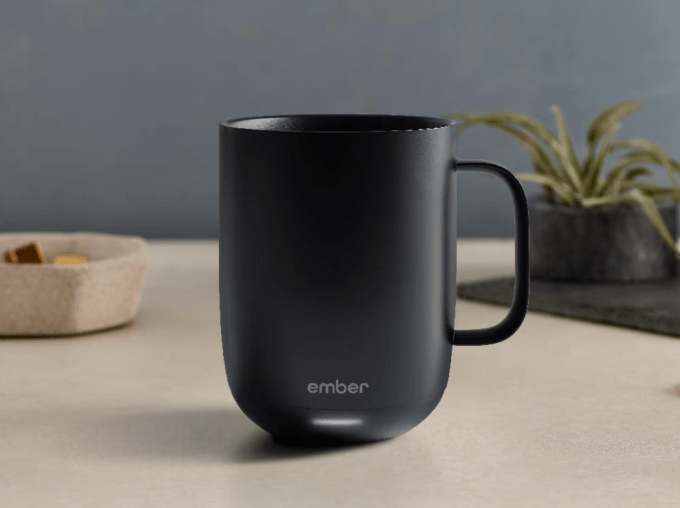
Ember Mug 2 — $150

Image Credits:Ember

If you love hot coffee but frequently find yourself sipping it cold due to distractions while working, the Ember Mug 2 can keep your beverages at the perfect temperature. 

You can adjust the exact temperature via your phone, and the smart mug maintains it for up to one and a half hours with the 10-ounce version and up to 80 minutes with the 12-ounce variant. The mug offers a more consistent coffee experience, enhancing your workday significantly. 

Amazon Echo Dot — $50

Image Credits:Amazon

The Amazon Echo Dot can greatly enhance your work desk, allowing you to use voice commands to set reminders, manage to-do lists, view your calendar, stream music, control smart lighting, or obtain quick answers to inquiries without needing to grab your phone. 

Being compact, it can be conveniently placed anywhere on your desk, serving as a hands-free assistant that helps you stay organized and concentrated throughout the workday.

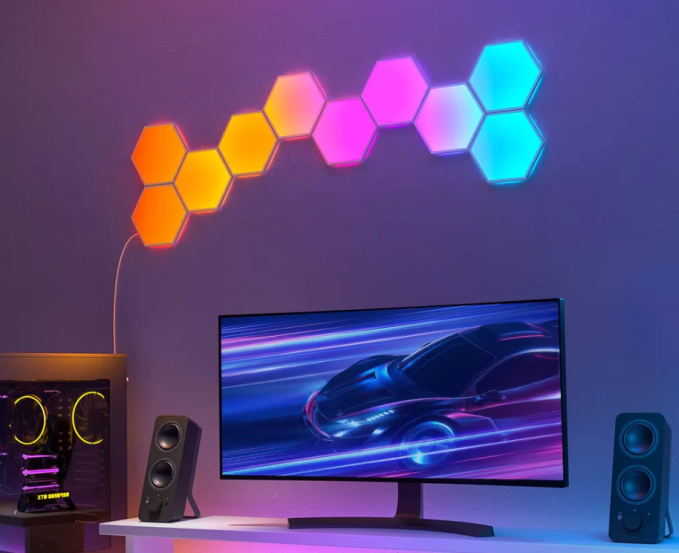
Govee Glide Hexa Light Panels — $189.99

Image Credits:Govee

The Govee Glide Hexa Light Panels provide a creative and entertaining way to personalize your work desk setup without occupying any physical desk space. The hexagon-shaped panels can be mounted on the wall behind your monitor and can showcase various colors and customizable lighting effects through the Govee app. 

They can establish a focused ambiance during work periods and can be switched to more vibrant effects for gaming or breaks. The panels allow for a variety of arrangements that can align with your taste.

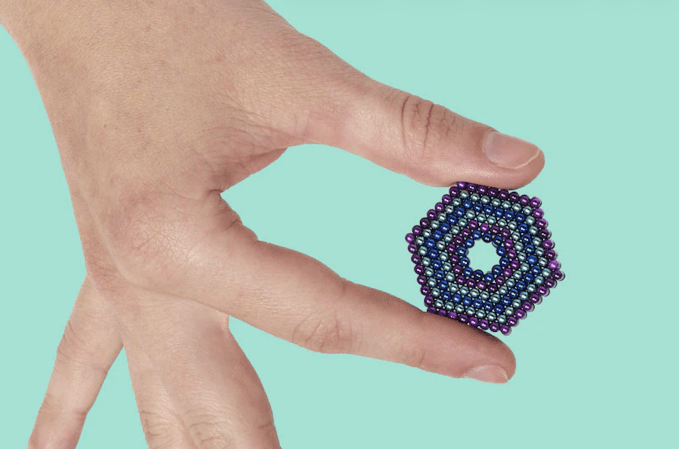
Speks — $35

Image Credits:Speks

For those who have yet to explore fidget toys but frequently find themselves toying with random objects or even wrappers during meetings or calls, Speks might be a suitable choice. These are small magnets designed for fidgeting or building, helping to keep your mind engaged and hands occupied.

Instead of fidgeting with whatever is available, you can utilize an item specifically crafted for this purpose that is more enjoyable to handle. They are beneficial for maintaining focus and alleviating stress throughout your workday.

When you make a purchase through links in our articles, we may receive a small commission. This does not influence our editorial integrity.