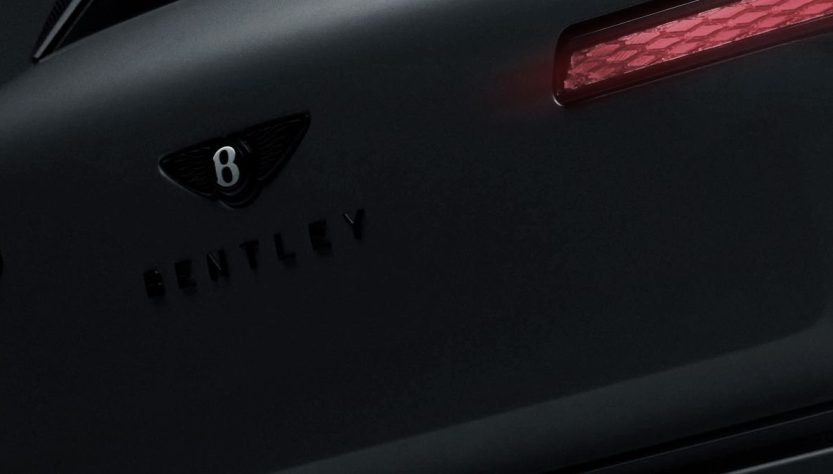
Bentley has revealed its inaugural fully electric vehicle, called Torcal. The renowned British marque introduced this alongside a teaser photo of the EV’s back and is set to unveil it in full on September 23, 2026. More noteworthy than the name is that this signifies Bentley’s entry into the fully electric vehicle segment. While specifics are limited until the official unveiling, Bentley has indicated that this 5-meter-long SUV will offer a range exceeding 300 miles.
The name Torcal gained attention earlier this year when trademark applications indicated that Bentley had secured both “Torcal” and “Barnato” in Europe and the UK for use in motor vehicles, including electric cars, charging cables, and infrastructure. Although Barnato was anticipated as the chosen name, named after the 1920s race car driver Woolf Barnato, Bentley decided on Torcal instead.
The Torcal name adheres to Bentley’s tradition of naming cars after natural landmarks, referencing El Torcal de Antequera in Spain, celebrated for its limestone formations. Notably, Torcal is linked to the Latin term “torquere,” meaning to twist, which is the origin of the word torque.
WIRED had an exclusive preview of the Torcal near Bentley’s headquarters in the UK. Though most information is still confidential, it’s evident that this new electric SUV carries a design heritage similar to the Bentayga, though a bit smaller, featuring a long hood and distinctive front. Despite some variations, like less defined rear haunches, it remains a captivating SUV with attributes such as a glass sunroof and unique light clusters. The rear lights differentiate from the Bentayga’s classic oval shape, adopting a streamlined design. The rear roofline slopes downward, in line with other electric vehicle aesthetics to minimize drag and enhance range.
The front of the Torcal boasts a striking new grille, replacing radiator openings with a lit crystal wall inspired by the Continental T, creating a bold visual impact in contrast to subtle luxury.
Inside, power doors reveal a combination of essential buttons and OLED displays, with a central screen curving in a manner reminiscent of the new Cayenne. Unlike some luxury competitors, Bentley does not provide a separate screen for passengers, nor does it plan to.
Bentley chairman and CEO Frank-Steffen Walliser characterizes Torcal as “the most carefully considered vehicle” in the company’s legacy, launching at a challenging moment for premium electric vehicle introductions. The market witnessed Lamborghini cancel its Lanzador electric GT due to insufficient demand, while Ferrari’s Luce EV launch impacted its market valuation, resulting in a postponement of its second electric model until 2028.