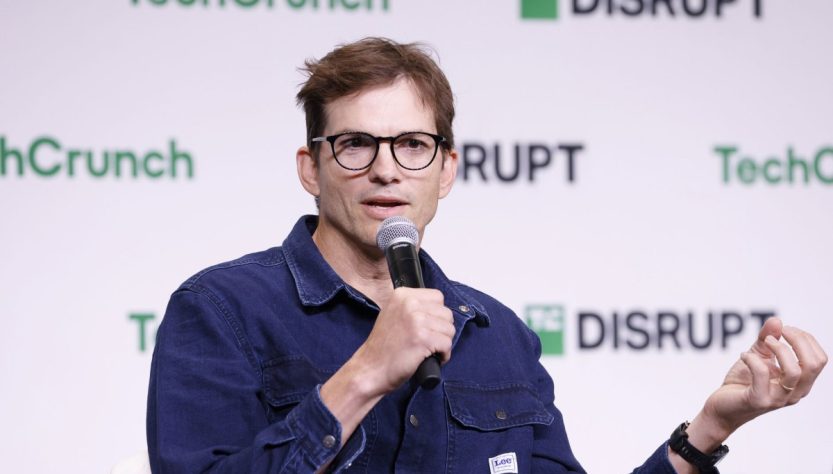
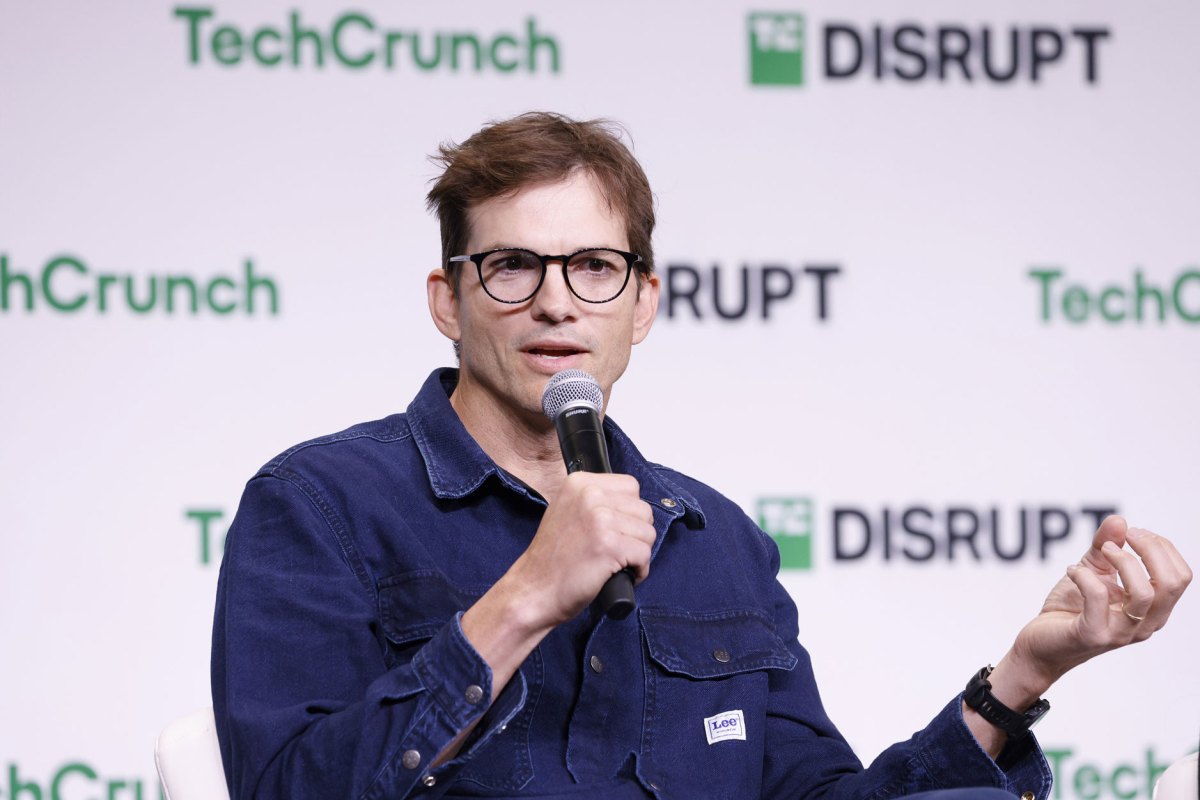
Ashton Kutcher departs Sound Ventures to establish a new venture capital firm alongside Morgan Beller.

Ashton Kutcher departs Sound Ventures to establish a new venture capital firm alongside Morgan Beller.

Ashton Kutcher is departing from Sound Ventures — the venture firm he co-established with Guy Oseary over a decade ago — to launch a distinct VC fund, as reported by the Wall Street Journal. The actor and investor is co-founding the new firm with Morgan Beller, who was recently a general partner at the seed-stage VC firm NFX and previously co-directed the cryptocurrency initiative Libra at Meta. Beller also held a position as a partner at Andreessen Horowitz for nearly three years.

TechCrunch had previously learned that Kutcher was getting ready to part ways; the WSJ’s article confirms this and provides additional insights about his plans with Beller. The name of the new venture has not yet been disclosed.

Kutcher’s departure does not seem to indicate any issues at Sound Ventures — typically, investors choose to leave firms that are not performing well, but this scenario is different. The firm, which has invested in companies like Brex and Gusto, was also an early backer of OpenAI, Anthropic, and Fei-Fei Li’s World Labs.

The separation is significant as it reflects the emerging direction of AI investment: Sound has established its reputation through targeted, high-confidence investments in leading AI laboratories, whereas Kutcher’s new fund seems to be looking at the foundational layers beneath these firms — the infrastructure and energy that support them.

“He and his fund consistently rank among [my] lists of top unicorn investors. An intriguing case!” wrote Stanford finance professor Ilya Strebulaev, who monitors high-performing venture capitalists, on X.

The actor has a long-standing relationship with OpenAI’s Sam Altman, dating back to when Altman launched Loopt — years prior to the debut of the ChatGPT creator.

Kutcher’s exit was partly attributed to differing opinions on which stages of startups to invest in, with Sound favoring support for more established companies rather than very early-stage ventures, according to the WSJ.

Kutcher and Beller are targeting early-stage investments in AI infrastructure, energy, and deep tech startups — companies focused on significant scientific and engineering advancements rather than just software.

Although leaving Sound Ventures, Kutcher will maintain his role as an adviser to the firm. In the meantime, Oseary and Sound general partner Effie Epstein will provide guidance to Kutcher and Beller’s new venture.

When you buy through links in our articles, we may receive a small commission. This does not impact our editorial autonomy.
Neocloud Together AI secures $800M, jumps to $8.3B valuation

Neocloud Together AI secures $800M, jumps to $8.3B valuation

Together AI — a neocloud specialized in AI that leases Nvidia GPU clusters and other dedicated AI infrastructure — has secured an $800 million Series C at an $8.3 billion valuation, as announced by the company on Wednesday. Established in 2022, the firm has grown rapidly.

This funding round was spearheaded by Aramco Ventures, with contributions from Vista Equity Partners, General Catalyst, Emergence Capital, Nvidia, March Capital, Pegatron, SentinelOne’s S Ventures, among others.

Previously, Together AI completed a $305 million Series B at a $3.3 billion valuation approximately 16 months ago. The company entered the market with substantial funding, having raised $102.5 million in a Series A financing round led by Kleiner Perkins, joined by Nvidia and Emergence Capital in 2023.  

Speculations about this round emerged in March when The Information reported the company was aiming for $1 billion in funding at a $7.5 billion valuation. If that report’s figures were correct, it indicates that Together AI opted for a smaller investment but possibly secured a more favorable deal from venture capitalists compared to its earlier aspirations.

This significant capital influx arrives as Together AI declares annual bookings exceeding $1.15 billion in its latest quarter, with businesses increasingly opting for capable yet significantly cheaper open-source models through neocloud providers like Together AI. They are shifting towards this choice rather than incurring high costs for tokens associated with proprietary frontier models for all their AI needs.

According to Together AI, the usage of open-source models across the sector has tripled in the past year, supported by research from another entity benefiting from this trend, AI gateway OpenRouter. The company claims to have thousands of paying customers, including Cursor, Cognition, and Decagon.

Neocloud services have become highly sought-after for VC investments beyond just Together AI. Upscale AI recently raised a Series A plus in an extension amounting to $500 million at a $2 billion valuation; likewise, TensorWave — which specializes in GPU clusters from AMD — secured a $350 million Series B at a $1.55 billion valuation last month, among other recent cases.

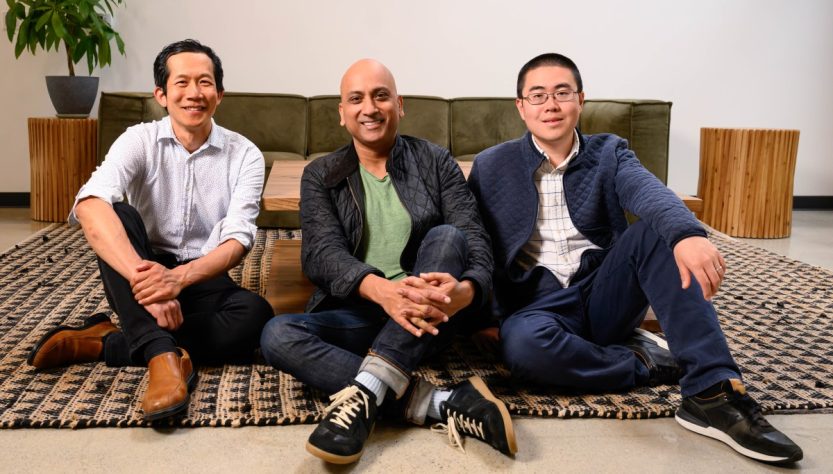
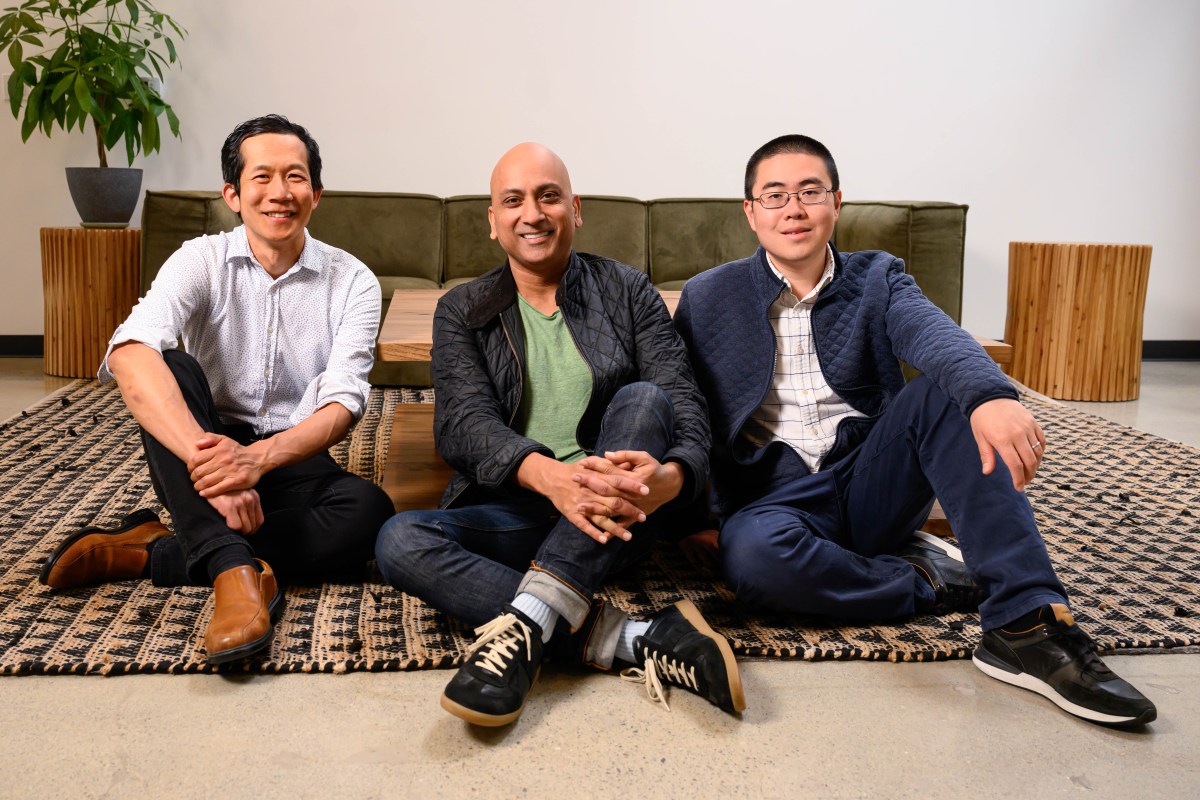
Together AI was co-founded by Vipul Ved Prakash (shown above, center) following his sale of the social media search platform Topsy to Apple in 2013 for a reported sum exceeding $200 million. His co-founders at Together AI include Stanford professor Percy Liang (above, left) and associate professor Ce Zhang from ETH Zürich/University of Chicago (above, right).

When you buy through links in our articles, we may receive a small commission. This does not impact our editorial independence.

Lime starts its journey as a publicly traded firm following years of doubt.

Lime starts its journey as a publicly traded firm following years of doubt.

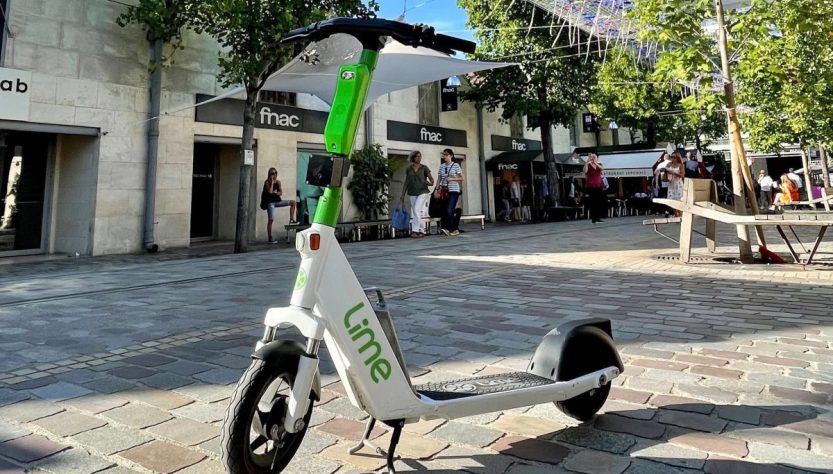
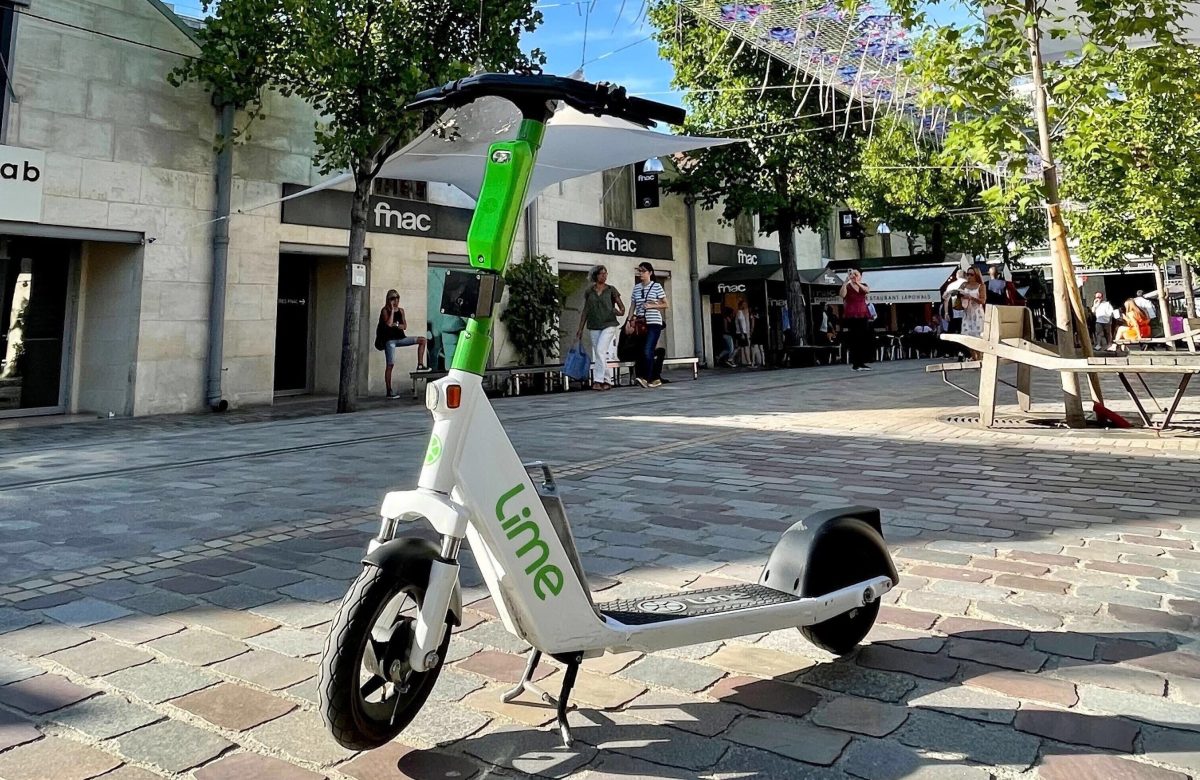
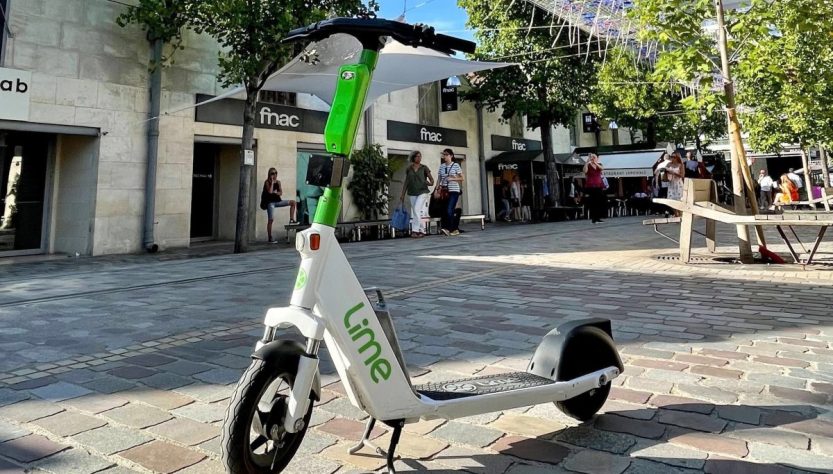
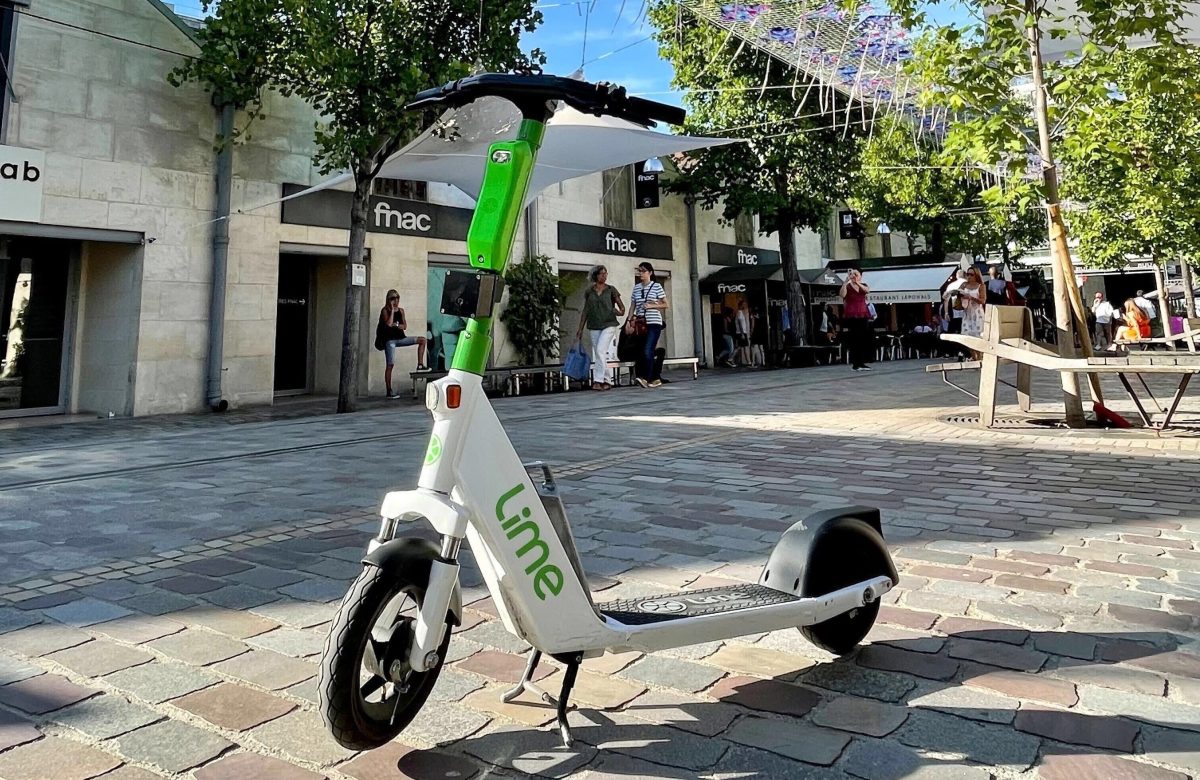
Lime, a micromobility firm, has secured $167 million from its IPO, concluding nearly ten years as a privately-held entity marked by significant valuation fluctuations as it navigated several major hype cycles and a worldwide pandemic.

The scooter and bike enterprise, which is supported by Uber, offered 6.68 million shares at $25 each, aligning with the mid-point of its price spectrum between $24 to $26. Its shares commenced trading on the Nasdaq under the ticker “LIME” on Wednesday afternoon, experiencing an approximate 9% increase within the first hour.

This anticipated IPO establishes Lime’s market value at roughly $1.66 billion, just below the valuation attained by fellow micromobility firm Bird during its merger with a special purpose acquisition company in 2021.

“Maintaining resilience, patience, belief, and optimism about overcoming challenging periods [has] truly yielded long-term benefits, especially during numerous days, weeks, and months when I wasn’t certain if Lime could survive the next three or four months,” CEO Wayne Ting conveyed to TechCrunch in a Wednesday interview. “Being here today as a public entity feels immensely rewarding, and it required considerable heart, effort, and perseverance to reach this milestone.”

Lime has been contemplating an IPO for several years. Following a $523 million funding round in 2021, Ting indicated to TechCrunch that the company was targeting an IPO in 2022. He reiterated this ambition in 2023, mentioning that Lime was still awaiting favorable market conditions.

Ultimately, however, Ting asserted that he wished to go public only when he could demonstrate to the market that Lime was a significantly more robust company compared to Bird.

“We believed it was essential to show that we would operate as a self-sustaining, profitable business generating positive free cash flow, which only materialized over the past three years, resulting in three years of positive free cash flow results,” he stated. “I believe the timing is opportune, as the business is strong. We still have considerable growth potential ahead.”

Lime is in need of the funding. In its IPO filing from May, the company expressed “substantial doubt” regarding its ability to persist as a viable entity. Lime noted that it requires the proceeds from its IPO to address approximately $1 billion in liabilities, with over half due by the end of this year, although some of this debt can be converted. Without an IPO, Lime informed prospective investors that it would need to seek alternative financing sources.

Lime is operating on that financial precipice, as the micromobility sector has proven fairly ruthless in recent years, even during prosperous times. Bird was compelled to seek bankruptcy protection and restructure after going public, while other competitors have either merged (Tier with Dott), been delisted from major exchanges (Micromobility.com), or ceased operations altogether (Superpedestrian).

In the midst of the turmoil, Lime has been able to enhance its revenue in recent years. It reported $521 million in 2023, $686.6 million in 2024, and $886.7 million in the previous year. The company also reduced its losses from $122.3 million in 2023 to merely $33.9 million in 2024, although that figure rose again in 2025 to $59.3 million. (The firm announced an adjusted gross profit of over $400 million in 2025, excluding costs like depreciation.)

This growth mainly stems from Lime’s capacity to expand globally. It currently operates in 230 cities across 29 nations. However, the company is also somewhat reliant on Uber, which owns 24% of Lime and contributed over 14% to its revenue last year. (Uber allows users to book Lime rides via its app in select cities.)

Ting mentioned that Lime’s emphasis on reducing unit costs and utilizing software and machine learning to optimize operations city by city have been instrumental in fostering a more financially sustainable enterprise. He anticipates that these advantages will only improve now that Lime has entered the public markets.

“This provides us with more capital to invest in growth and expand Lime, reinvesting in our technology. I believe many of the advantages we have as the sole skilled operator and profitable operator will only amplify now that we are public,” he remarked. “It’s a matter of incremental progress, and we’re continuously seeking that 1% to 2% enhancement.”

Ting also expressed his belief that becoming a public entity will motivate more cities to collaborate with Lime.

“I understand many cities are frustrated when they bring an operator into the market, only for that operator to shut down within six to twelve months. They desire a sustainable long-term partnership, and now that we’re public, our financial information is accessible to any city regulator determining who will be a strong long-term partner,” he elaborated.

This article has been revised with details regarding Lime’s stock trading commencement and insights from CEO Wayne Ting’s interview.

When you make purchases through links in our articles, we may receive a small commission. This does not impact our editorial independence.

Cloudflare’s updated policy compels AI firms to compensate publishers for their content

Cloudflare’s updated policy compels AI firms to compensate publishers for their content

Cloudflare has set a new deadline for the AI sector to differentiate between web crawlers utilized for traditional search functions, such as Google Search, and those employed for AI agents and training. Beginning on September 15, 2026, Cloudflare’s standard configurations will prevent “mixed-use” crawlers from accessing any pages that display advertisements, the company revealed on Wednesday.

This signifies that crawlers that integrate search, agent usage, and training will be barred from crawling these websites by default unless the website owner modifies the settings accordingly. These default changes will impact new Cloudflare clientele, new sites established by current users, and all pre-existing free customers, according to the company’s statement.

This initiative could influence how AI model developers access web material for training and support their agent-based services.

Cloudflare emphasizes that the majority of website proprietors desire their material to be easily found through search and often through AI services as well; however, they seek protection against their intellectual property being distributed freely.

Cloudflare explicitly mentions the “largest search engine in the world” (clearly a reference to Google!) as having access to roughly “twice the amount of information” compared to other AI firms because the search titan complicates discoverability for clients without incorporating AI usage.

Google has previously contested this assertion, highlighting that it offers a bot named Google Extended, which allows site owners to opt out of having their content utilized for training and AI applications like Gemini Apps and Vertex API. Utilizing it doesn’t affect a site’s presence in Google Search. Nonetheless, the tech behemoth’s primary Googlebot continues to crawl for Search, including AI capabilities such as AI Overviews and AI Mode.

“Given that the overwhelming majority of online traffic is now from non-human sources, we must accelerate our efforts so that a sustainable ecosystem can develop,” stated Cloudflare co-founder and CEO Matthew Prince in his announcement regarding the recent development, referencing the noteworthy moment when bot traffic exceeded human traffic online for the first time. This transition was not anticipated until the following year.

“Cloudflare’s latest tools and collaborations provide website owners with enhanced visibility and commercial opportunities, benefiting AI companies that possess bots with clear and transparent purposes. We anticipate that the proposed default modifications will prompt mixed-use crawlers to differentiate between search and agent usage as well as training,” Prince remarked.

While Cloudflare provides numerous products to assist users in launching their own AI systems, the company has also unveiled a variety of tools to give publishers more authority over their content in the AI landscape. In recent years, Cloudflare has introduced tools aimed at combating AI bots, including a marketplace that enables websites to charge AI bots for scraping, known as Pay Per Crawl.

This model is now evolving into “Pay Per Use,” the company disclosed, allowing publishers to charge AI firms when their content generates value, not merely when it is retrieved.

This alteration could also aid in conserving publishers’ bandwidth and computing resources for AI model providers, as Cloudflare’s data indicated that over 50% of crawling traffic from AI crawlers is utilized in re-fetching unchanged pages.

To execute this initiative, Cloudflare is initially collaborating with two partners, Ceramic.ai and You.com. When a publisher opts in, they receive compensation when their content is featured in Ceramic’s AI search results or when You.com retrieves a piece of their premium content.

Other AI organizations may tailor this model to fit their operational methods, claims Cloudflare.

By purchasing through links in our articles, we may receive a small commission. This does not influence our editorial independence.

Even Honda is shifting towards data centers

Even Honda is shifting towards data centers

This week, Honda commenced the manufacturing of batteries intended for energy storage solutions, as reported by Nikkei Asia. This achievement positions Honda as the most recent automotive manufacturer to enter the thriving energy sector.

The automaker’s transition towards energy storage follows the cancellation of its EV initiatives in the U.S. just three months ago. The batteries for these EVs were planned to be produced at an Ohio facility, run by Honda in partnership with LG Energy Solution. Now, these battery cells will serve data centers instead of residential driveways. 

Honda’s shift occurs amid waning demand for EVs in the U.S., attributed to the GOP’s termination of tax credits meant to boost EV and battery production domestically. Year-on-year sales of new EVs are declining, partly because consumers rushed to buy ahead of the tax credits, which were eliminated last September.

This uncertainty prompted Honda to make significant changes, scrapping three EV models set for the U.S. market. The automaker recorded a $15.7 billion write-down last fiscal year, partly to revise its EV strategy. The decline of its operations in China, a market where EV sales have surged, also contributed to the financial setback.

Nonetheless, despite the restructuring, Honda has not dissolved its joint venture with LG Energy. In common with other car manufacturers like Tesla, Ford, and GM, Honda has acknowledged that batteries represent a substantial business opportunity in their own right.

The stationary storage market has experienced remarkable growth, increasing by 32% year-over-year, according to findings by SEIA and Benchmark Minerals. In the initial quarter of this year, 9.7 gigawatt-hours of energy storage systems were installed, equating to enough batteries to produce approximately 120,000 EVs. 

This rapid expansion is anticipated to persist. By the decade’s end, the report forecasts that 110 gigawatt-hours of energy storage will be deployed annually, nearly tripling the market’s size. 

The market has proven to be lucrative as well. Tesla, which has captured the majority of current sales, generates 30% gross profits from its Megapacks and Powerwalls, roughly double its profit margin on vehicles. 

Although many stationary batteries have been installed at data centers, a significant proportion is linked to the grid. As battery costs have decreased, they have established a considerable niche in stabilizing the grid while enhancing the reliability of wind and solar energy sources, making them more consistent generators. 

While Honda may still be uncertain about its approach to the U.S. EV market, it is evident that the company aims to participate in the energy transition in some capacity.

When you buy through links in our articles, we may earn a small commission. This doesn’t influence our editorial autonomy.
Are Teams That Kick First in Penalty Shootouts More Prone to Victory?

Are Teams That Kick First in Penalty Shootouts More Prone to Victory?

In a World Cup, pivotal matches often depend on a penalty shootout. At these times, captains strive to win the coin toss to determine the order of kicks. There exists a long-held belief: the team that shoots first often emerges victorious, irrespective of player competence. This is widely accepted in soccer, yet the rationale behind this advantage is the subject of ongoing scientific debate.

While tactics concentrate on the kicking sequence, psychological stresses also impact the outcome. In this World Cup, penalty shootouts determined the results of two of the initial four round-of-32 matches: Paraguay triumphed over Germany, and Morocco overcame the Netherlands.

Historically, the dominant explanation revolved around psychological factors. This theory posits that the first team experiences reduced pressure, while the second team is perpetually striving to catch up, influencing their performance. A study published in the 2010 American Economic Review became a significant reference point, claiming that first-kicking teams succeeded in almost 60% of shootouts, compared to 40% for those that kicked second.

However, with the emergence of more data and research, the assumed advantage has diminished. Scholars commonly agree that second-kicking teams are under psychological strain, but they question how this affects their chances of winning. Research conducted in 2012, 2019, 2023, 2024, and 2025 gradually lessened the perceived significance of this advantage. The most comprehensive analysis, encompassing nearly 7,000 shootouts and 74,000 kicks, revealed no definitive proof of a first-kick advantage, with any conceivable benefit being under 1.8 percentage points.

A new research collective proposes a change in viewpoint. A recent publication in Football Studies suggests focusing on the origins of the occasional benefit, particularly examining differences in pressure. Their hypothesis claims pressure remains crucial, yet not every high-pressure scenario is the same. The difference exists between penalties that can immediately eliminate a team if missed and those that guarantee a win.

The investigation indicates that current soccer regulations do not distribute pressure moments evenly. The second-kicking team frequently faces immediate elimination from unsuccessful penalties, while chances of scoring change as the shootout continues.

Results reveal that goals that ensure victory succeeded 89.1% of the time, while potential eliminations saw success plummet to 60.4%. Notably, when considering these penalties, kicking order did not significantly account for performance. The supposed advantage for the first team arises from the resultant psychological conditions, rather than the order of kicks.

The authors contend that these revelations could shape strategic approaches. Players who manage extreme pressure may be better utilized for crucial kicks rather than initiating the shootout.

The excitement around autonomous vehicles has returned, and Humble Robotics is applying it to freight.

The excitement around autonomous vehicles has returned, and Humble Robotics is applying it to freight.

Loading the player…

The autonomous vehicle industry is starting to echo the 2016 excitement cycle. Travis Kalanick is back at the helm of a robotics firm, and the competition for talent and capital is heating up once again. Investments are on the rise, and those who navigated through that initial phase are now leading the way for the new generation.

Eyal Cohen, founder and CEO of Humble Robotics, stands among them. Cohen was with Otto when Uber approached, later following Anthony Levandowski to Pronto, and after two decades of working in deep tech spheres in the Bay Area, his latest venture surfaced from stealth in April with $24 million to develop a completely autonomous, cabless electric hauler for freight.

Cohen joins Kirsten Korosec in this episode of TechCrunch’s Equity podcast to discuss AV déjà vu and the lessons he’s gathered over 15 years of establishing startups in electrification, solar, and robotics.

Subscribe to Equity on YouTube, Apple Podcasts, Overcast, Spotify, and other podcast platforms. You can also follow Equity on X and Threads by searching for @EquityPod.

Lime secures $167M in IPO following years of hinting at a public launch

Lime secures $167M in IPO following years of hinting at a public launch

Lime, a micromobility firm, has secured $167 million through its IPO.

The scooter and bike company, operational for nine years and supported by Uber, issued 6.68 million shares priced at $25 each, aligning with the midpoint of its $24 to $26 price spectrum. Trading on the Nasdaq under the ticker “LIME” commenced Wednesday afternoon, witnessing a surge of about 9% within the initial hour.

Lime has contemplated an IPO for many years. In 2021, after a funding round of $523 million, CEO Wayne Ting informed TechCrunch of the company’s plans for an IPO in 2022. He reiterated this notion in 2023, mentioning that Lime was still awaiting favorable market conditions.

The anticipated IPO values Lime at approximately $1.66 billion, narrowly missing the valuation obtained by fellow micromobility player Bird in its merger with a special purpose acquisition company in 2021.

Lime is in need of capital. In its IPO submission in May, the firm stated a “substantial doubt” about its ability to remain a going concern. Lime indicated that it requires the IPO funds to settle around $1 billion in liabilities, with over half of that amount due by the close of this year. Without the IPO, Lime informed potential investors it would have to seek alternative financing avenues.

Lime finds itself on precarious financial ground as the micromobility sector has been quite unforgiving over recent years, even during prosperous times. Bird sought bankruptcy protection and restructured post-IPO, while other rivals have either merged (Tier and Dott), been delisted from prominent exchanges (Micromobility.com), or ceased operations entirely (Superpedestrian).

Despite the turmoil, Lime has succeeded in increasing its revenue over the past years. It reported $521 million in 2023, $686.6 million in 2024, and $886.7 million the previous year. The company also reduced its losses from $122.3 million in 2023 to just $33.9 million in 2024, although that number climbed back to $59.3 million in 2025.

This growth has largely stemmed from Lime’s capacity to expand internationally. The company now functions in 230 cities across 29 nations. However, it remains somewhat reliant on Uber, which possesses 24% of Lime and contributed over 14% of its revenue last year. (Uber facilitates Lime ride bookings through its app in certain cities.)

This article has been refreshed with details regarding Lime’s stock trading commencement.

If you make purchases through links in our content, we may receive a small commission. This does not compromise our editorial integrity.

Venice AI achieves unicorn status with $65M Series A as its privacy-centric AI platform gains traction

Venice AI achieves unicorn status with $65M Series A as its privacy-centric AI platform gains traction

Fears regarding AI chatbots’ influence on mental wellness, personal security, harassment, and misinformation have compelled AI creators to introduce measures that enhance oversight of their AI models’ responses and actions.

However, apprehensions cannot diminish the demand. AI holds vast potential, and individuals are reluctant to allow an impersonal tech entity to limit their access to that opportunity. If they can maintain their privacy while utilizing AI models freely, why shouldn’t they?

Venice AI, which provides entry to over 200 AI models while ensuring user privacy, is thriving in response to this demand. Just two years from its inception, the enterprise boasts more than 850,000 distinct visitors to its website, serves over 3 million active users, and handles an average of 1.7 million API requests daily.

The startup maintains “uncensored,” open-source models on its own data centers, directing queries to closed-source models, including those from OpenAI or Anthropic. All user inputs are encrypted and decrypted client-side, routed through an external proxy prior to processing and return, with no information retained on Venice’s systems. It also offers end-to-end encryption on certain models, though a subscription is required for that feature.

The company is already in the black, with annualized revenue run-rate exceeding $70 million, as its CEO Erik Voorhees (depicted above, at the center) disclosed in an exclusive interview with TechCrunch.

Naturally, investors have rushed to claim a portion of that momentum. On Wednesday, Venice AI announced it has secured $65 million in a Series A funding round at a $1 billion valuation, marking its first external fundraising effort. The round was spearheaded by the crypto-oriented venture firm Dragonfly, with involvement from Coinbase Ventures, North Island Ventures, and others.

The connection between Voorhees, Venice’s commitment to privacy, and its new crypto investors is striking, particularly in light of the CEO’s history and prior endeavors. A pioneer in bitcoin advocacy, Voorhees has founded several crypto enterprises, such as the bitcoin gambling platform Satoshi Dice and cryptocurrency exchange ShapeShift, and has long championed the preservation of user privacy.

Indeed, when a Wall Street Journal investigation accused ShapeShift, which originally did not require user identification, of processing millions of dubious funds, Voorhees allegedly remarked: “I don’t believe individuals should have their identity documented to apprehend an occasional wrongdoer.”

He conveyed a similar sentiment when questioned about Venice AI’s approach to offering access to AI models in light of recent incidents of AI-induced psychosis and consequent harm, stating his team views their service as a “neutral tool or a neutral platform.”

“This principle mirrors that of Bitcoin, where Bitcoin, as a neutral protocol, functions uniformly for everyone,” he stated. “I believe it’s actually rather perilous from a safety standpoint for society to step into this next phase and have everyone under constant surveillance. To me, that is considerably more hazardous than any specific individual posing a controversial query or something that could be deemed inappropriate.”

There’s a significant emphasis on granting users autonomy as well. Users can select from AI models that generate text, images, audio, and video — each varying in performance, quality, and the extent of censorship applied. The website prominently displays several AI “characters” for personalization and interaction, and the company takes pride in providing an “uncensored” experience.

“We’re focused on freedom and genuinely respecting users as adults, which I believe is uncommon these days,” Voorhees remarked.

The founder indicated that Venice also enhances some open models’ system prompts to encourage more open responses, though it does not impose any restrictions on the models.

Unsurprisingly, there are two crypto tokens linked to this initiative. Venice introduced a token named “VVV” in early January, aiming to attract users, according to Voorhees, and in August of the previous year launched another, termed “DIEM.” Users can purchase VVV and subsequently stake it to mint DIEM, generating $1 worth of AI credits daily that can be utilized on Venice. However, Voorhees noted that only about 8% of the company’s users transact with crypto.

The founder attributed the company’s expansion to the robust performance of the crypto tokens, although he stated that the primary driver was achieving feature parity with ChatGPT. “When we started, we were quite distant from what ChatGPT could deliver, but people chose us because of privacy. Today, we are very close to what ChatGPT can achieve […] and as we bridged that gap, it has become an increasingly attractive alternative,” he stated.

Looking ahead, Venice AI intends to utilize the new funding to begin acquiring GPUs and constructing its own data centers to eliminate GPU leasing and enhance its gross margins.

When you purchase through links in our articles, we may earn a small commission. This doesn’t affect our editorial independence.

Gemini Spark, the intelligent assistant from Google, is now accessible on Mac

Gemini Spark, the intelligent assistant from Google, is now accessible on Mac

Gemini Spark, the AI assistant from Google designed to assist with various elements of your online experience, is now accessible on Mac.

The company announced on Wednesday that Spark will be incorporated into the existing Gemini desktop application, alongside a range of updates and new functionalities, such as real-time topic monitoring and enhanced connectivity to additional applications like Google Tasks and Google Keep.

The macOS introduction enables Gemini Spark to more effectively rival desktop AI assistants such as Claude Desktop, Microsoft’s Copilot, OpenClaw, and others, as it will have the capability to interact with files on the system, and eventually, manage remote tasks.

Although it won’t be available at launch, Google assures users that they will “soon” have the ability to assign multi-step tasks to Spark on their smartphones, like instructing the desktop assistant to extract data from a file on their Mac.

In the meantime, Spark can be employed to categorize and organize files, or utilize local files as a basis for creating new Google Workspace documents or spreadsheets. For example, Google proposes that Spark can convert invoices stored on your computer into a budgeting sheet.

Currently, Gemini Spark for macOS (beta) is exclusively accessible to Google AI Ultra subscribers in the U.S.

When Spark debuted last month, we highlighted the absence of integration with Keep, Google’s note-taking application, as a significant point of dissatisfaction during our initial assessments. It’s logical that brief lists and notes should be stored in applications like Google Keep rather than Google Docs, which seems excessive for something as simple as a vacation packing list.

Image Credits:Google

Clearly, we were not alone in this suggestion, as Google has now introduced support for Tasks and Keep. Spark also now interfaces with various third-party applications, including Canva, Dropbox, Instacart, OpenTable, and Zillow Rentals.

This will enable Spark to carry out a variety of tasks, such as reserving tables, ordering groceries weekly, creating flyers, or scheduling apartment viewings.

Image Credits:Google

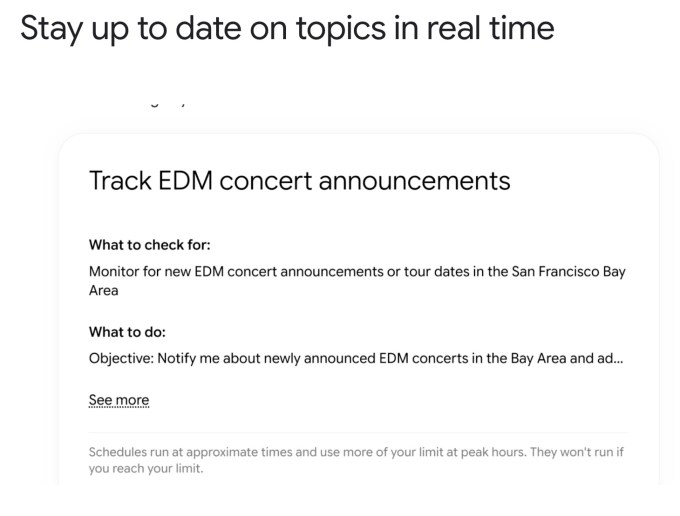
Additionally, Gemini Spark is now equipped to monitor subjects and respond to developments in real time, enhancing its capabilities for tasks that require monitoring sports results, stock fluctuations, or breaking news. Furthermore, this means Spark can observe other aspects, such as social media activity, blogs, online purchasing, and weather conditions.

Moreover, Google mentions it is introducing support for the custom Model Context Protocol (MCP), enabling you to integrate your preferred apps directly within Spark to develop a more personalized assistant according to your requirements.

When you make a purchase through links in our articles, we may receive a small commission. This does not influence our editorial independence.