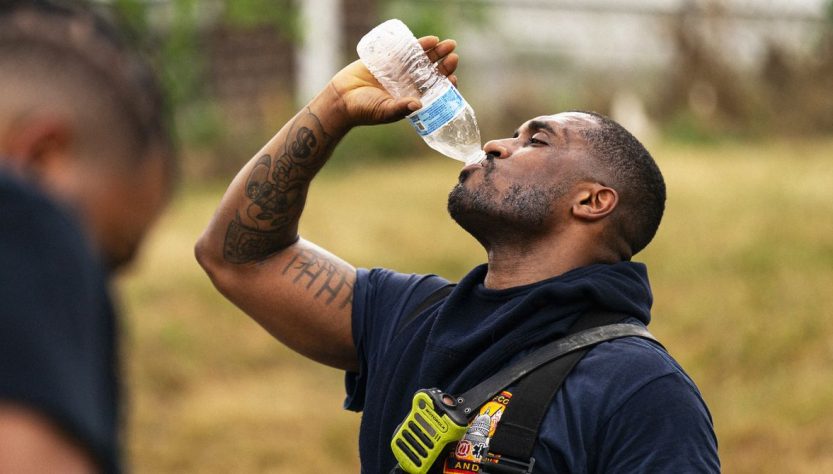
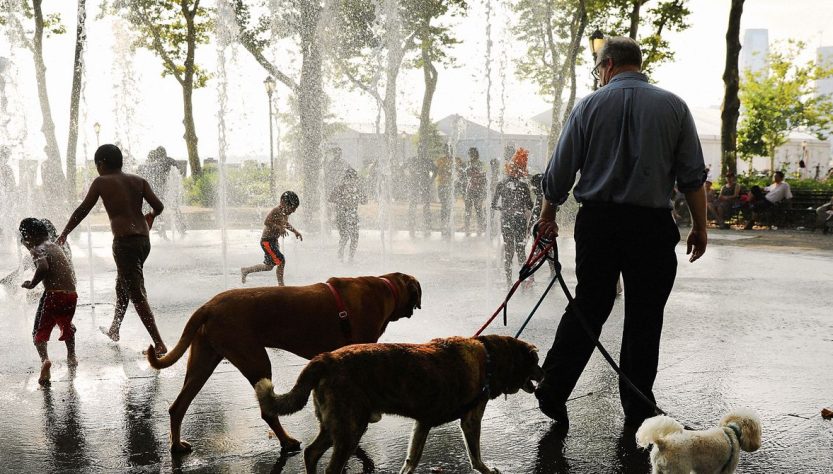
New York City is gearing up for a severe heat wave during the July 4th holiday weekend and World Cup activities, with authorities and hospitals implementing measures to avert heat-related health issues. Temperatures are anticipated to hit 100 degrees Fahrenheit (38 Celsius) with a heat index between 105 and 110, which is atypical for the city. “These are exceptionally hazardous conditions, and they will impact every area of our city,” stated Mayor Zohran Mamdani. Major metropolitan areas have contingency plans for such heat waves, incorporating cooling centers and alert systems. This year, New York initiated its heat emergency protocol early, on May 19. In response to this heat wave, more than 650 cooling stations will be accessible, including libraries and public buildings, as reported by Christinia Farrell from the New York City Emergency Management Department. The administration will deploy cooling vans that provide wellness checks, hydration, sunscreen, and transportation to cooling centers. Furthermore, LinkNYC kiosks will direct residents to the closest cooling center. To alleviate cooling demands, businesses are encouraged to adjust thermostats to 78 degrees. Outreach efforts will be made to the unhoused, offering them housing without the standard intake procedures with consideration of the heat. Philadelphia, also bracing for elevated temperatures, has activated its heat emergency plan, modified event schedules, and will provide cooling resources during the World Cup. Intense heat is expected to increase heat-related dangers as such events unfold. A Yale University research highlighted a doubling of heat-related fatalities over the past twenty years in the U.S., predominantly happening indoors without air conditioning. New York emergency rooms are bracing for a surge in heat-related illness cases. Erik Blutinger from Mount Sinai Queens Hospital commented on replenishing supplies for treating heat-related ailments, emphasizing the importance of recognizing symptoms to obtain prompt medical attention.