## Other Keyboards We Like
**Happy Hacking Keyboard Classic Type-S for $264:** The Happy Hacking Keyboard series isn’t recognized for affordability, particularly the Pro Classic Type-S, which comes close to $300 with wired-only connectivity. Nevertheless, its distinctive layout and Topre switches provide a unique tactile typing sensation. The robust aftermarket community for Topre keyboards guarantees easy repair and personalization. Although expensive, these keyboards, with proper maintenance, can endure for a lifetime.
**Wooting 80HE for $200:** While its technology doesn’t match that of the 60HE V2, the 80HE’s larger design incorporates F-row and arrow keys. It boasts excellent switches, a durable magnesium casing, and a user-friendly Wootility customization interface.
**Keychron C1 Pro 8K for $55:** It’s impressive that Keychron can provide a keyboard with mechanical switches, quality keycaps, RGB lighting, and 8,000-Hz polling at this cost. It offers retro styling, comfortable keycaps, and a pleasing typing sound. The tactile Super Banana switches are responsive, and the tray-mount case is robust. The absence of wireless connectivity is its sole drawback.
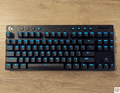
**Logitech Pro X TKL for $190:** Renowned for high-quality keyboards, Logitech’s G Pro X TKL is a premier option for gaming. It features vibrant RGB LED-backlit keys, various switch options, and Logitech’s Lightspeed wireless adapter for rapid response times. The sleek design includes a volume wheel and media controls. The only drawback for some users is the absence of a numpad.
**Logitech Pro X 60 for $130:** Sharing similar advantages to the Pro X TKL, the Pro X 60 is more compact, showcasing a 60 percent layout while retaining essential controls.
**Logitech Pop Keys for $100:** The Pop Keys is a series of wireless keyboards offered in numerous vibrant colors. It can connect with up to three devices, making it versatile for home, office, or mobile use.
**Logitech MX Keys S for $130:** Able to connect with three devices, this keyboard has low-profile keys, backlighting activated by proximity sensors, and supports both Mac and Windows layouts. Its battery life is remarkable, lasting over a week with regular use without backlighting.
**Logitech MX Mechanical for $180:** Featuring a low-profile design, this model can connect with three devices and includes additional buttons for convenience.
**Turtle Beach Vulcan II TKL Pro for $150:** With dual LEDs per key for enhanced lighting, Hall effect switches for longevity, and a textured volume knob, it stands out with its clicky keys.
**Corsair K65 for $110:** This 75 percent keyboard is lightweight yet sturdy, featuring USB-C, Bluetooth, or wireless connection options. It has a fashionable metal volume knob, and keys can be replaced using the provided tool.
**Razer Huntsman Mini for $90:** A compact 60 percent keyboard perfect for gaming, it’s quick and neat, compatible with Razer’s keycap kits.
**Keychron Q1 HE for $240:** Equipped with Hall effect switches for adjustable actuation points, the Keychron Q1 HE is excellent for competitive gaming. It’s a reliable choice even without focusing on these specifications.
**NZXT Function 2 for $110:** An upgrade from its predecessor, this keyboard features optical switches and customizable resistance for specific keys. It retains numerous appealing features, making it friendly for mechanical keyboard novices.
**Razer Huntsman V3 Pro TKL for $160:** Designed with gaming in mind, it utilizes Razer’s analog optical switches and comes with customizable buttons and profiles. The Razer Synapse app enhances personalization.
**Razer BlackWidow V4 75% for $130:** Recognized for its sturdy build, it’s optimized for gaming with a compact layout for ample mouse space and a high polling rate for swift in-game actions.
**SteelSeries Apex Pro for $199:** This keyboard affords per-key customization, delivering a distinct typing experience, and includes an LED display for system notifications.
**Corsair K100 RGB Mechanical Gaming Keyboard for $325:** While conventional in many ways, its control wheel differentiates it, featuring built-in functions and customization options.
## Keyboards to Avoid
**Razer Pro Type Ergo:** Although pleasant to type on, its $200 price tag is steep for a plastic, chiclet-style keyboard. More economical alternatives with similar features are available, unless one is committed to the Razer ecosystem.