Elon Musk utilized Friday to share critiques of rivals after the debut of the XChat app, a standalone messaging service for X users. “Signal, WhatsApp, Telegram, and iMessage all have significant security issues,” stated a message Musk shared, asserting that “XChat is the sole secure, encrypted messaging application.” Encryption specialists I consulted voiced measured skepticism regarding XChat’s implementation and supported other platforms like Signal.
A primary worry concerning XChat is that users are required to link an existing X account for login. “I’m somewhat wary of that since more data points equate to more tracking,” remarks Maria Villegas Bravo from the Electronic Privacy Information Center. She perceives Musk’s earlier criticisms of other apps as self-serving.
When Musk initially presented XChat as an upgraded, encrypted version of X direct messages, security professionals raised concerns about the storage of users’ cryptographic keys on X’s servers. “Considering XChat’s track record of security flaws, I would hesitate to use it until it undergoes a comprehensive audit,” states Cooper Quintin from the Electronic Frontier Foundation.
Musk aims for the discussion to zero in on which encrypted messaging app reigns supreme. However, after trying XChat, it feels more akin to Facebook’s Messenger. Rather than launching an elegant, new application, Musk revealed a straightforward extension of his social media platform that features encrypted messaging.
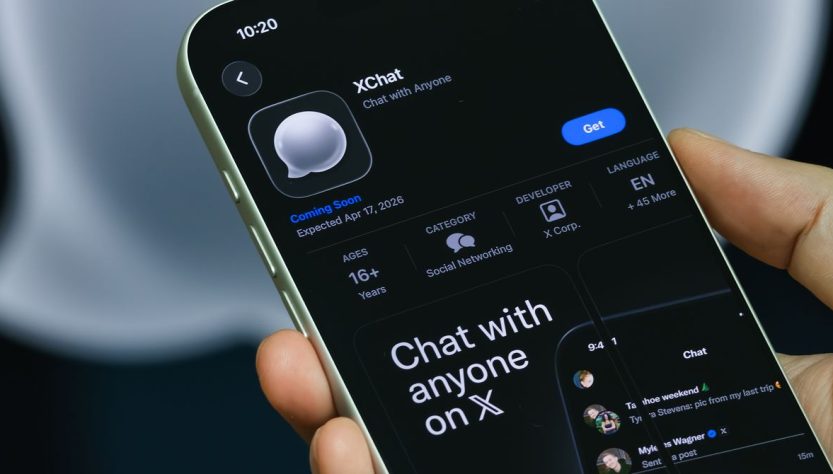
When the XChat team disclosed the app’s launch, the initial release date on Apple’s App Store was set for April 17 but was postponed several times before its surprise launch on April 24. The appropriate app did not consistently appear in searches, with a Russian-language app called “XChat App” briefly ascending Apple’s download rankings. “Scam app,” cautioned one user review.
Upon XChat’s eventual launch, access was initially restricted to the U.S., leaving U.K. users feeling disappointed. “UK should be live soon; had one issue,” wrote X’s head of product, Nikita Bier. Bier attributed the confusion early downloaders faced during the onboarding process to Apple.
After downloading XChat, I found it challenging to locate contacts to message. None of my top iMessage contacts possess X accounts, emphasizing XChat’s niche attraction. After revisiting my old DMs, I revived a few conversations. Following my messages, a pop-up confirmed, “This conversation is now end-to-end encrypted.” Despite this, no responses were received, just some emoji reactions.