

Conflict in Iran Drives Up Oil Prices; Trump to Affect Future Rates

Conflict in Iran Drives Up Oil Prices; Trump to Affect Future Rates

Oil prices soared on Monday following the United States and Israel’s assault on Iran over the weekend, with forecasts indicating that prices might surpass $100 a barrel. Increasing assaults on regional oil and gas facilities, coupled with blocked traffic in a crucial shipping lane, have experts asserting that the actions of the White House and responses from Iran and other oil producers will be pivotal in shaping future prices.

Brent crude prices surged to almost $80 a barrel—a 13 percent increase since Friday—when markets opened on Sunday evening. Tyson Slocum from Public Citizen highlights that the potential risks of the US’s confrontational approach toward Iran had already been integrated into market values, averting an even steeper rise. Nonetheless, the chaotic US reaction post-attack on Ayatollah Ali Khamenei, Iran’s supreme leader, has added more unpredictability.

Iran governs the Strait of Hormuz, a vital shipping corridor. One-fifth of the globe’s oil transits through this route. OPEC nations depend greatly on it to sell their oil. Rory Johnston, a Canadian oil market analyst, mentions that OPEC would typically boost production during a crisis, but its supplies are situated on the opposite side of the conflict zone, limiting its capacity to respond.

Throughout the weekend, while Iran conveyed mixed signals regarding the formal closure of the strait, traffic significantly diminished. Insurance costs for vessels navigating through the strait have surged, and several ships have faced attacks. Johnston characterizes the scenario as a “voluntary closure.”

The likelihood of worsened outcomes persists if regional tensions escalate. In 2019, drone assaults on Saudi oil installations increased oil prices by 15 percent. Similarly, recent drone strikes compelled Saudi Arabia to shutter a refinery, and Qatar’s LNG production was interrupted, triggering a rise in European gas prices. Should these assaults persist, prices may skyrocket.

Clayton Seigle from the Center for Strategic and International Studies cautions that growing Iranian desperation might lead to leveraging energy as a bargaining chip. Should Gulf trade be abandoned or significant oil infrastructure be compromised, prices reaching triple digits could make a comeback.
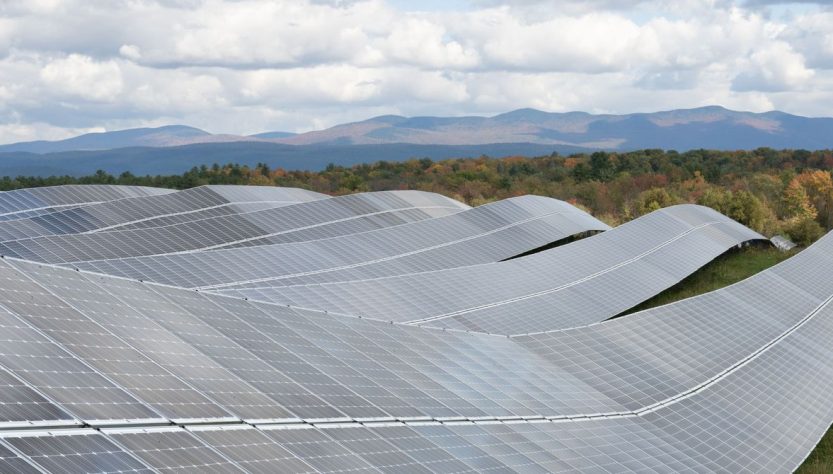
The US Saw a Notable Increase in Battery Demand Last Year

The US Saw a Notable Increase in Battery Demand Last Year

In 2025, the United States saw a historic rise in energy storage, as detailed in a freshly released solar industry report on Monday. This boom in battery storage signifies a considerable milestone for clean energy amid the renewable-unfriendly second term of the Trump administration and suggests that utilities may be modifying electric grids to meet increasing demand across the country.

The report, issued by the Solar Energy Industries Association (SEIA), corresponds with recent findings from Bloomberg New Energy Finance, showcasing a comparable surge in battery development. As per SEIA, the United States added 57 gigawatt hours of new energy storage in 2025, representing nearly a 30 percent rise from the prior year. This capacity is enough to supply power to over five million homes each year.

The report predicts a 21 percent market growth by the conclusion of this year, with an additional 70 gigawatt hours anticipated in 2026. These statistics sharply contrast with less than a decade ago when storage on the grid amounted to only around half a gigawatt.

Batteries have demonstrated considerable political endurance. Tax incentives for wind and solar were cut last summer amid legislative challenges to renewables, yet faced opposition from Republican lawmakers in regions with clean energy initiatives. Nonetheless, battery tax credits largely remained unharmed.

In spite of the federal administration’s position on renewables, batteries and solar experienced considerable advancement in certain conservative states last year. Texas stands out, where solar energy constituted over 15 percent of summer demand, exceeding coal for the first time. SEIA projects that Texas will outpace California this year in terms of gigawatt hours of storage deployed.

Jigar Shah, from the advisory firm Multiplier and a former director of the Department of Energy’s Loan Programs Office, points out that Texas’s independent and deregulated power grid favors solar and batteries over alternative solutions, notwithstanding White House opposition. Recent surveys reveal that MAGA voters back solar power, and prominent individuals like Katie Miller have voiced support for solar energy.

“Texas fundamentally ignores cultural prejudices,” Shah states. “‘Heed the market signals. Construct whatever you wish, whether it’s coal plants or batteries.’ Batteries received the most financial backing.”

While solar and batteries thrive in Texas, the majority of battery installations last year were standalone, not linked to particular solar projects, which is a positive trend for grids coping with heightened demand.

Generally, US energy grids utilize only about 50 percent of their available energy on a daily basis. This intentional underutilization guarantees capacity for peak demand days. Deploying batteries at all levels of the grid aids in harnessing surplus energy during off-peak hours to mitigate waste.