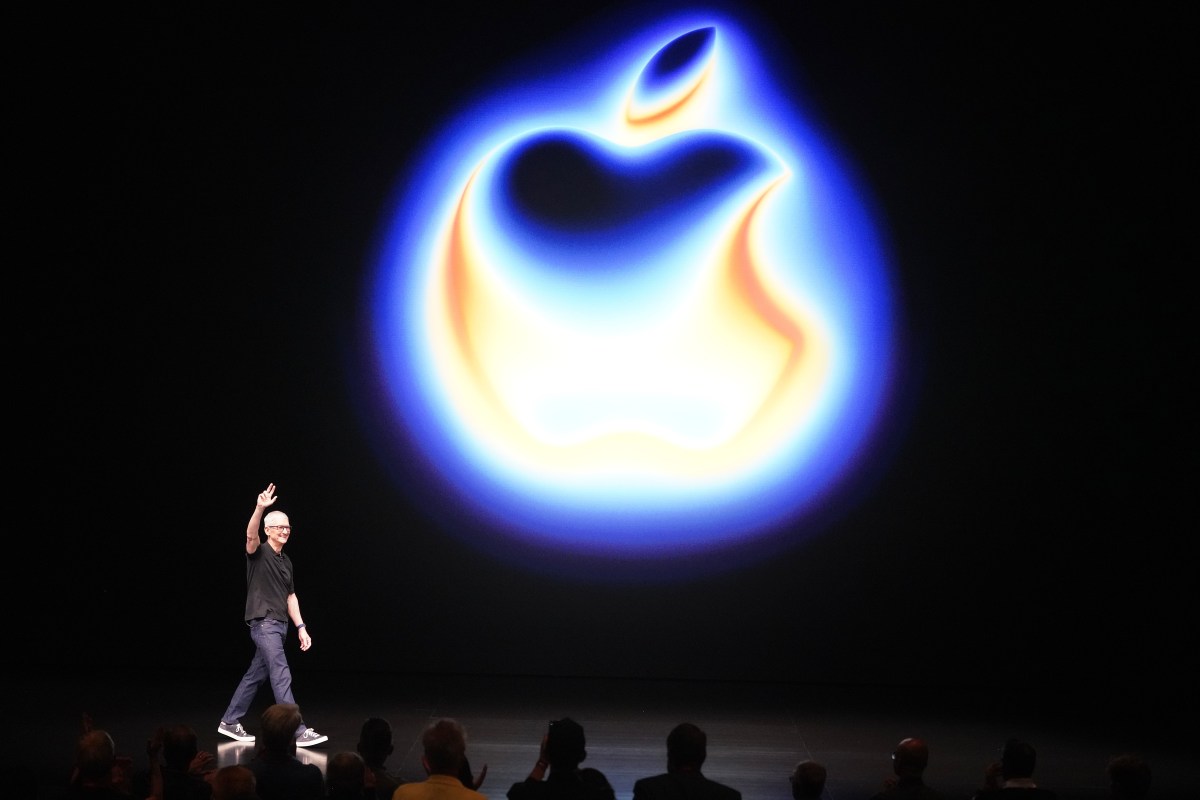
Apple has announced a June schedule for WWDC 2026, hinting at ‘AI progress.’

Apple has announced a June schedule for WWDC 2026, hinting at ‘AI progress.’

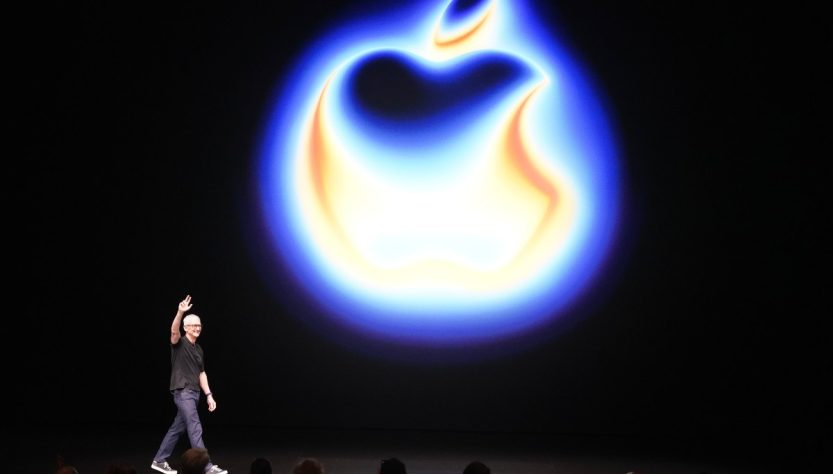
Apple has declared that its upcoming Worldwide Developers Conference will take place from June 8 to June 12, both online and at its headquarters located in Cupertino, California.

The iPhone manufacturer noted that this year’s event — where it usually reveals new software and features for its various devices — will center on “AI advancements” alongside updates for platforms such as iOS, macOS, tvOS, and watchOS, as well as new software and tools for developers.

The conference will be broadcast live via the Apple Developer app, Apple’s official website, and Apple Developer’s YouTube channel. In China, the event will be streamed on the Apple Developer Bilibili channel.

Last year, Apple emphasized WWDC on its “Liquid Glass” interface design, with AI receiving limited attention. This year’s conference is expected to be different. Apple is anticipated to unveil a new Siri equipped with advanced AI features and earlier this year struck a deal with Google to utilize Gemini for AI capabilities on its platform. This year’s WWDC may showcase the updated Siri with improved personal context and on-screen awareness.

During last year’s conference, the company introduced Apple’s Foundation Model framework featuring AI models capable of functioning offline and may reveal enhancements to it at this year’s event. The company also introduced models such as ChatGPT for coding within Xcode. Earlier this year, Apple added agentic coding tools like Anthropic’s Claude Agent and OpenAI’s Codex to Xcode.

DoorDash launches assistance payments for drivers as the Iran-US conflict escalates gas prices

DoorDash launches assistance payments for drivers as the Iran-US conflict escalates gas prices

In light of the ongoing conflict between Iran and the U.S. leading to a notable increase in gas prices, DoorDash is intervening to assist its drivers in both the U.S. and Canada. 

The company revealed on Monday the introduction of a temporary initiative designed to alleviate the financial strain on Dashers dependent on their vehicles for deliveries. 

DoorDash’s support initiative, which is active until April 26, provides weekly payments to qualifying drivers. Dashers who drive a minimum of 125 miles weekly can access payments beginning at $5, equating to estimated savings of $1 to $1.50 per gallon. This assistance could hold particular significance for drivers in suburban and rural locales who cover greater distances.

Moreover, drivers using DoorDash’s Crimson debit card will gain an additional 10% cash back on their gas expenditures, presenting the possibility of savings up to $1.90 per gallon. 

Fuel costs are among the largest expenses for delivery drivers. Unlike standard employees, gig workers are accountable for their own expenses, which include fuel, vehicle upkeep, and insurance. A Human Rights Watch study conducted in May 2025 indicated that gig workers in Texas expended an average of $100 each week on fuel, or $2.76 per hour worked. At the time of this inquiry, gasoline prices in Texas hovered around $3 per gallon.

Presently, the situation has worsened further. As per AAA, the national average for regular gasoline is slightly below $3.96 per gallon. This marks an increase of over $1 compared to a month prior. In certain regions, prices have escalated to approximately $4 per gallon. 

With rising gas prices, the weekly fuel expenses for drivers can escalate sharply without any corresponding increase in payment from the platforms they are affiliated with. Simultaneously, the demand for deliveries may vary due to elevated overall living costs, meaning drivers cannot consistently count on increased orders to balance their expenses. The outcome: Drivers are receiving less profit per delivery while working the same or extended hours. For many, this shifts gig work from a flexible income possibility to a financially untenable job, compelling some drivers to decrease hours or exit the sector entirely. 

Techcrunch event

San Francisco, CA
|
October 13-15, 2026

The gas rewards initiative echoes a similar program that DoorDash rolled out in 2022 when gas prices spiked following Russia’s incursion into Ukraine. That year, Uber also launched a fuel surcharge to aid drivers, and Grubhub boosted compensation for its drivers amidst record-high fuel costs.

It remains unclear whether other delivery services will take a cue from DoorDash this time.

Leonid Radvinsky, the proprietor of OnlyFans, has died.

Leonid Radvinsky, the proprietor of OnlyFans, has died.

Leonid Radvinsky, the billionaire proprietor of the adult content platform OnlyFans, has died at the age of 43 following a struggle with cancer. 

OnlyFans confirmed Radvinsky’s demise on Monday. The firm expressed that it was “deeply saddened” by his loss, as stated by a representative, noting that his family has requested privacy. Reuters was the first to break the news. 

Hailing from Odesa, Ukraine, Radvinsky relocated to Chicago as a young boy and began operating adult streaming sites during his teenage years, launching MyFreeCams in 2004.

In 2018, Radvinsky acquired a 75% share in Fenix International Limited, the parent company of OnlyFans, and held the positions of director and majority owner. Aside from OnlyFans, he also invested in technology companies through Leo, a venture capital fund he founded in 2009.

OnlyFans was established in 2016 by Tim Stokely and saw immense growth during the COVID-19 pandemic. The platform allowed creators to earn directly from their work, drawing many individuals from the adult industry looking for a dependable income source. To date, OnlyFans has distributed over $25 billion to its creators.

Radvinsky’s death occurs just months after the company was reportedly in talks to sell a 60% stake in OnlyFans, which would have positioned the firm’s valuation around $5.5 billion. 

Littlebird secures $11M for its AI-powered ‘recall’ tool that scans your computer display

Littlebird secures $11M for its AI-powered ‘recall’ tool that scans your computer display

There has been extensive discussion about establishing context for AI systems. In the realm of consumer software, startups have emerged focusing on search, documents, and meetings. Their aim is to capture context from your digital activities, create links to additional tools, and allow you to query that information. Some tools have advanced further. For example, Rewind (which transitioned to Limitless and was acquired by Meta) and Microsoft Recall seek to log everything occurring on your screen and assist you in recalling it all.

A fresh startup named Littlebird is pursuing a comparable goal but with a slightly different method. Unlike applications like Rewind that preserve screenshots or some form of visual data, Littlebird is “reading” the screen and logging the context in a text format.

The fundamental concept driving the product is that, by continuously reading your screen, you do not need to provide extra context for productivity. The startup asserts that while many AI tools aim to divert your attention, Littlebird operates quietly in the background, surfacing only when you desire it to.

Image Credits:Littlebird

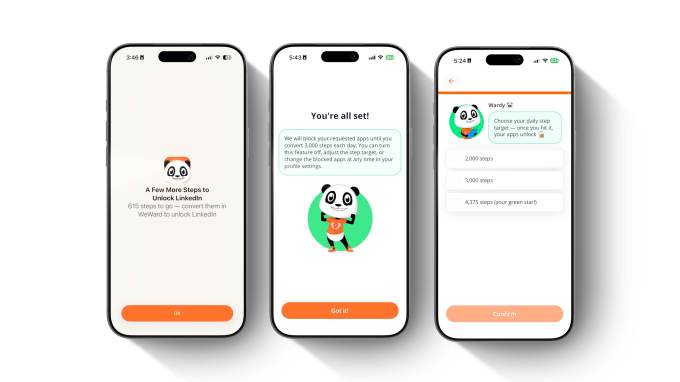
Upon installing Littlebird on your device, you can specify which applications you want it to overlook and avoid capturing context. The startup claims that it automatically disregards password managers and sensitive input fields in internet forms, such as passwords and credit card information. You can also link additional applications like Gmail, Google Calendar, Apple Calendar, and Reminders to the app.

The application allows you to inquire about your data, providing pre-made prompts to initiate your queries, such as “What have I accomplished today?” or “Which emails are significant to me?” Within a few days of utilizing the app, I found that these prompts became increasingly tailored as time progressed.

Littlebird features an integrated notetaker similar to Granola that utilizes system audio and operates in the background to transcribe meetings and generate notes and action items. When viewing a meeting in detail, there’s an option labeled “Prep for meeting” that considers previous meetings, emails, and company history to furnish you with further insights about the upcoming meeting. This feature also gathers information from platforms like Reddit to inform you about public sentiment regarding a specific product or company.

Image Credits:Littlebird

Another feature named Routines provides detailed prompts for Littlebird to execute at specified intervals, including daily, weekly, or monthly. The company offers several pre-configured routines like daily briefings, weekly activity summaries, and summaries of previous day’s work. Users are also able to design their own routines with tailored instructions.

Littlebird was established by Alap Shah, Naman Shah, and Alexander Green in 2024. Siblings Alap and Naman previously launched Sentieo, a platform aimed at institutional investors, which was sold to the market intelligence company AlphaSense. They also co-founded a wellness food venture called Thistle. Alap was a co-author of the widely discussed Citrini paper on how AI agents could lead to economic disruption, resulting in declines in various tech stocks. Green has founded several enterprises in the fields of hardware, software, and AI.

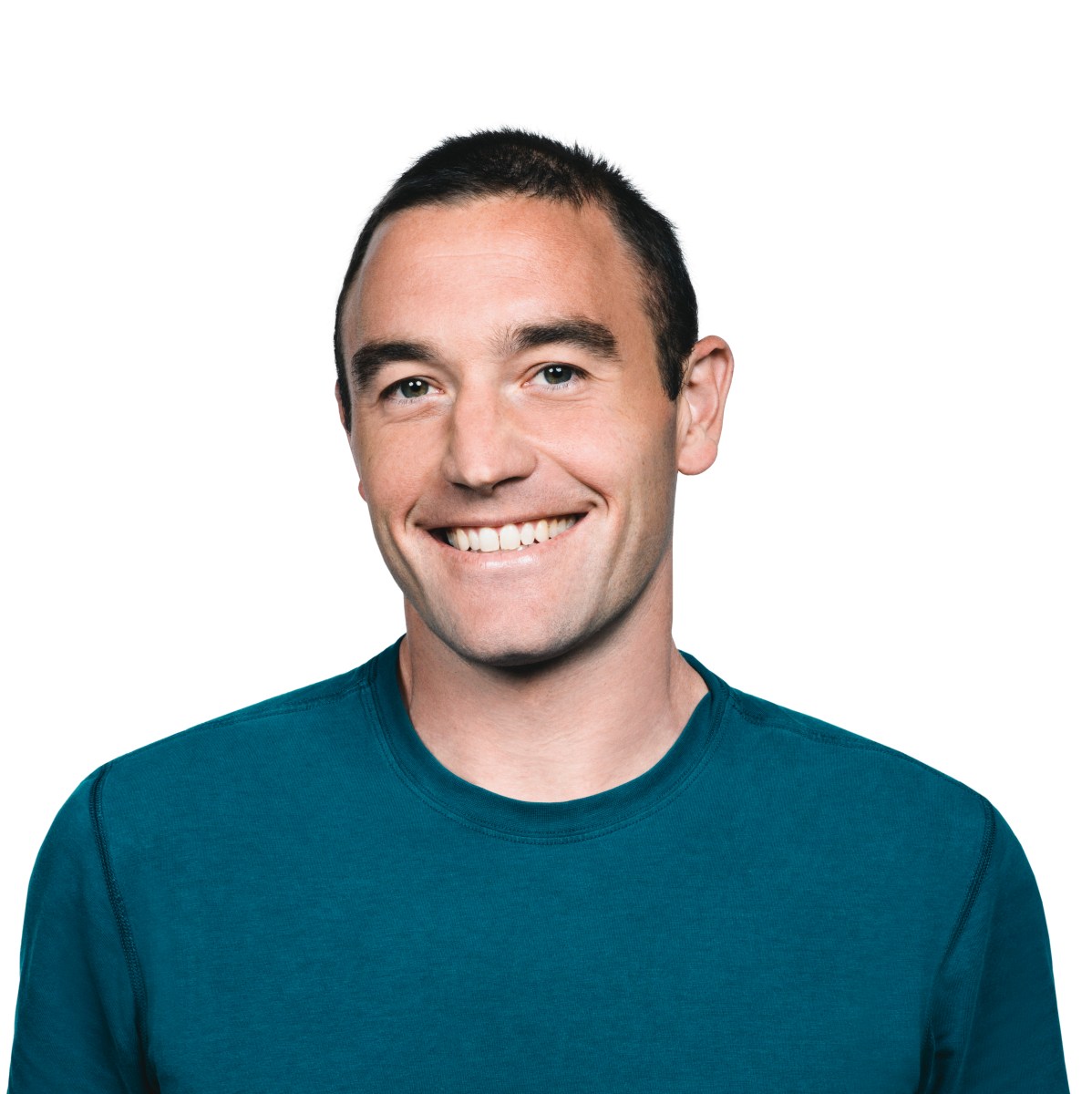
“We initiated this project when Alap brought up a compelling issue that AI will revolve around the data of [users]. Models lack knowledge about users, limiting their effectiveness. We contemplated different UI and OS paradigms ripe for disruption by AI, and that sparked Littlebird as a project,” Green shared with TechCrunch during a phone call.

Green remarked that while Rewind was somewhat aligned with Littlebird’s goals, it relied heavily on screenshots and did not provide an optimal search experience. He noted that the startup is merely at the beginning of its journey and has a multitude of issues to address, including enabling large language models (LLMs) to grasp various types of user context.

Loading the player…

With Littlebird, users have the ability to delete their data at any moment, and their information is stored in the cloud with encryption. Green mentioned that the decision to store data in the cloud was made to facilitate powerful models for various AI processes, which cannot be achieved locally.

“We do not retain any visual data. We solely keep text, making the data significantly lighter. This was likely a factor that contributed to the struggles of Recall and Rewind, as capturing a screenshot requires substantially more data. Furthermore, I believe it is also more intrusive,” he explained.

Image Credits:Alexander Green

Littlebird is available for free download and use, but to access enhanced usage limits and features like image generation, users have the option of paid plans starting at $20 monthly.

The startup has secured $11 million in funding, led by Lotus Studio, with involvement from Lenny Rachitsky, Scott Belsky, Gokul Rajaram, Justin Rosenstein, Shawn Wang, and Russ Heddleston.

Many of these investors are active users of the product. Rajaram, who has experience at Google and Facebook within advertising, stated that the product alleviates the difficulty of recalling, accessing, and re-explaining one’s own work. DocSend co-founder and CEO Heddleston shared that he revised the firm’s marketing website using the tool, leveraging context from meetings, emails, Notion, and more.

Rachitsky, who manages his own newsletter and podcast, remarked that AI’s effectiveness is linked to the context it possesses, acknowledging that it frequently overlooks significant elements of your day. He mentioned that he utilizes the tool to enhance his productivity strategies and to foster greater happiness. For continued success, he suggested that the product would need to discover a major use case.

“I believe it is crucial to identify that essential use case. That is what determines this product’s current success. Numerous individuals have already identified that for themselves, and the team is attuned to these experiences as they recognize these use cases developing,” he observed.

“I’ve hosted numerous AI product creators on the podcast, and a recurring theme is that you won’t truly understand how users will interact with your product until it is released. The strategy is to launch initial versions, observe user interactions, and focus on those use cases instead of waiting for everything to be perfectly defined.”

Startup Gimlet Labs is addressing the AI inference bottleneck in an unexpectedly sophisticated manner.

Startup Gimlet Labs is addressing the AI inference bottleneck in an unexpectedly sophisticated manner.

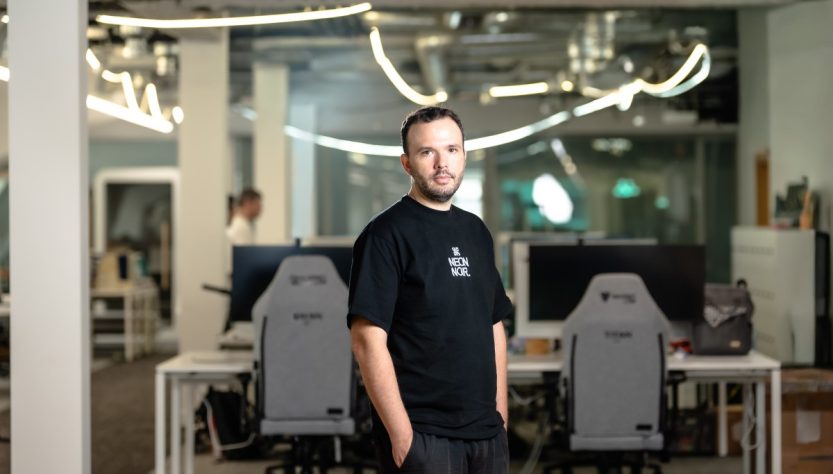
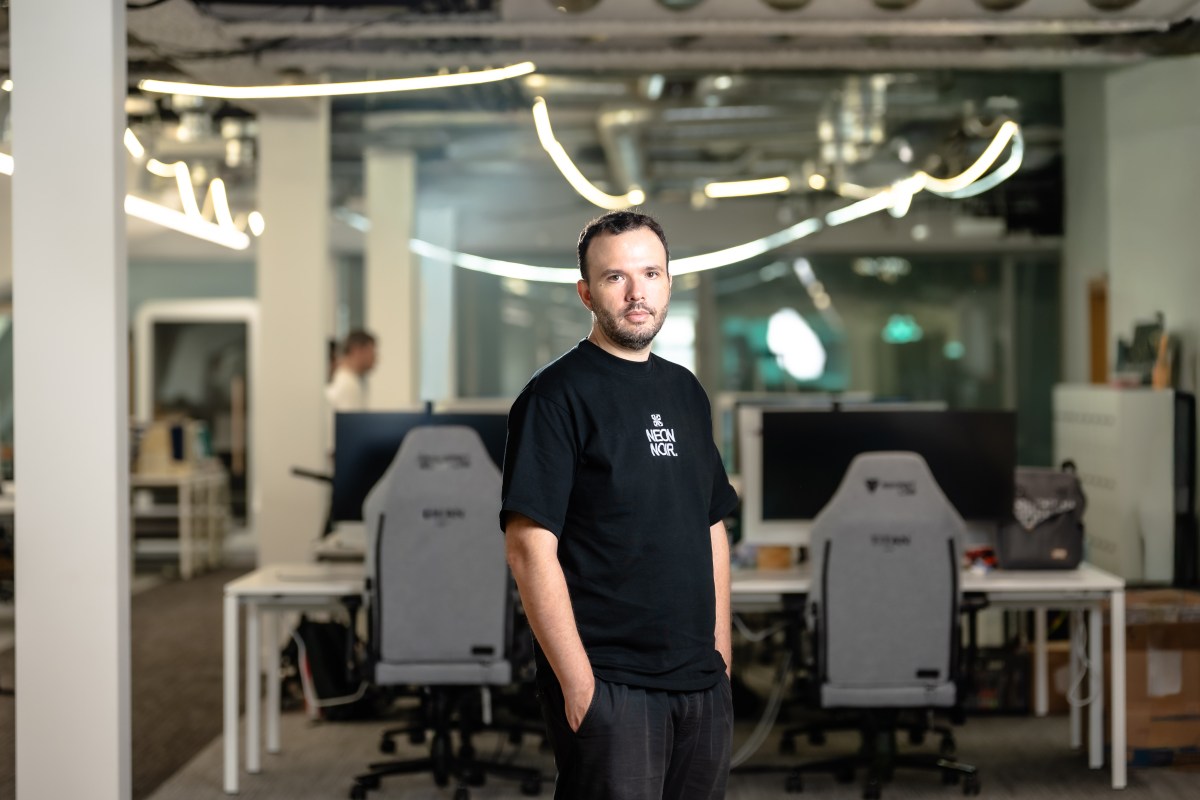
Zain Asgar, an adjunct professor at Stanford and a successful entrepreneur, has secured an $80 million Series A funding for a startup addressing the AI inference bottleneck issue in an insightful fashion. Menlo Ventures led this investment round. 

The startup, Gimlet Labs, claims to have developed the first and only “multi-silicon inference cloud,” which is software enabling simultaneous execution of AI workloads across various hardware types. It can distribute an AI application’s tasks among both conventional CPUs and AI-optimized GPUs, as well as high-memory architectures.  

“In essence, we operate across all available hardware types,” Asgar shared with TechCrunch. 

One agent may connect several steps together, each requiring distinct hardware: Inference is compute-bound; decoding is memory-bound; and tool calls are network-bound, explains lead investor, Tim Tully of Menlo, in a blog post regarding the funding.  

No single chip currently does it all, but as new hardware is introduced and older GPUs are repurposed, “the multi-silicon fleet is prepared — it merely needs the software layer to function.” This is what Tully believes Gimlet Labs provides.

If the ongoing trend of deploying more computing resources persists, McKinsey predicts that spending on data centers will reach nearly $7 trillion by 2030. Asgar mentions that existing applications are utilizing the current hardware deployed “only between 15 to 30 percent” of the time.  

“Another perspective is that you’re wasting hundreds of billions of dollars by permitting resources to sit idle,” he commented. “Our goal was essentially to determine how to make AI workloads 10x more efficient than ever before, today.” 

Techcrunch event

San Francisco, CA
|
October 13-15, 2026

As a result, he and his co-founders, Michelle Nguyen, Omid Azizi, and Natalie Serrino, began to develop orchestration software that breaks down agentic workloads, allowing them to be concurrently distributed across various hardware infrastructures. 

Gimlet Labs asserts that it can enhance AI inference speed by 3x to 10x without increasing cost or power consumption. Gimlet claims it can even partition the underlying model to run across different architectures, selecting the optimal chip for each segment of the model. 

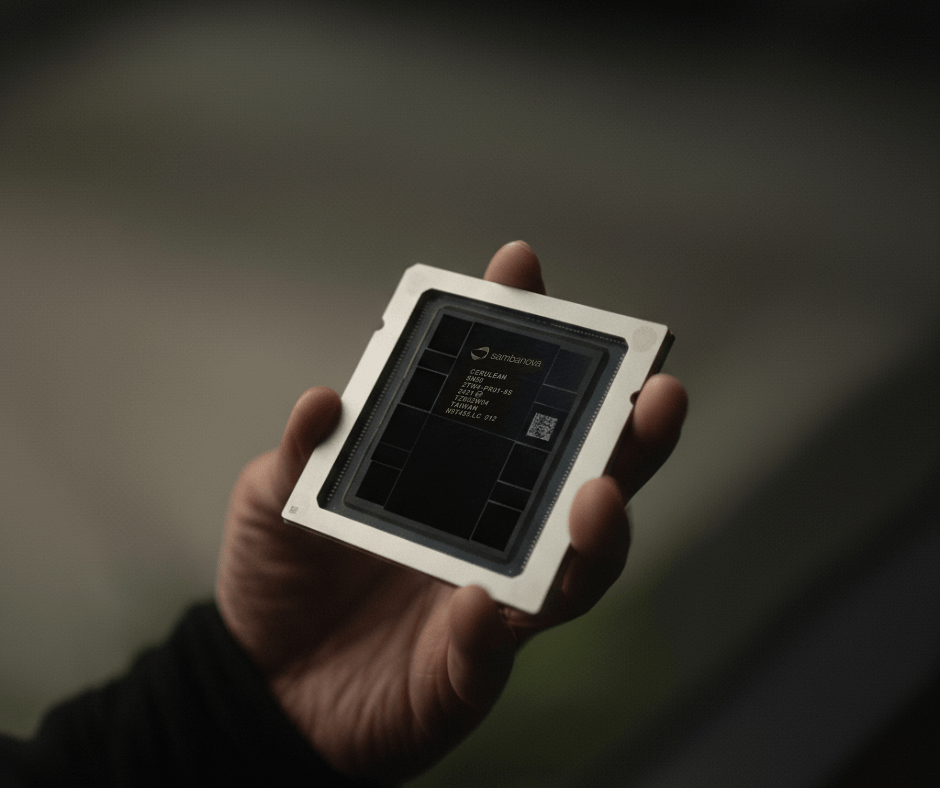
The firm has established partnerships with chip manufacturers NVIDIA, AMD, Intel, ARM, Cerebras, and d-Matrix.  

Gimlet’s offering, available as software or via an API to its Gimlet Cloud, is not intended for the general AI application developer. It targets the largest AI model laboratories and data centers. 

The company officially launched in October, reporting eight-figure revenues right from the start (at least $10 million). Asgar noted that their customer base has more than doubled in the past four months and now includes a significant model manufacturer and an extremely large cloud computing firm, though he opted not to disclose their names.  

The co-founders had previously collaborated at Pixie, a startup that developed an open-source observability tool for Kubernetes. Pixie was acquired by New Relic in 2020, just two months post-launch with a $9 million Series A led by Benchmark. (Pixie’s technology is now part of the open-source organization that manages Kubernetes.)  

After Asgar coincidentally met Tully about a year ago and also secured angel investments from Stanford faculty, venture capitalists began reaching out. Following the launch, a term sheet arrived on Asgar’s desk. When VCs discovered that Asgar was evaluating offers, “we received a significant influx of funding,” and the round was quickly oversubscribed, he stated. 

With the prior seed funding, the startup has now raised a total of $92 million, backed by numerous angels, including Sequoia’s Bill Coughran, Stanford Professor Nick McKeown, former VMware CEO Raghu Raghuram, and Intel CEO Lip-Bu Tan. The company currently has a workforce of 30 people.

Other investors consist of Factory, which led the seed funding, Eclipse Ventures, Prosperity7, and Triatomic.

Grab to acquire Foodpanda Taiwan from Delivery Hero for $600 million

Grab to acquire Foodpanda Taiwan from Delivery Hero for $600 million

The delivery powerhouse Grab announced on Monday its intention to acquire Delivery Hero’s Foodpanda operations in Taiwan for $600 million in cash, representing its initial growth beyond Southeast Asia. Grab mentioned that the transaction is subject to regulatory approval and is expected to finalize in the latter half of 2026. The firm plans to complete the transition of users, merchants, and driver-partners to its platform by early 2027.

This decision follows approximately a year after Uber Technologies withdrew its plan to acquire Foodpanda’s operations in Taiwan in March 2025, after the transaction was obstructed by Taiwan’s antitrust authority due to competition issues.

Previously, Uber Eats and Foodpanda were leading players in Taiwan’s food delivery sector. A recent study indicated that Foodpanda commanded a 52% market share, while Uber Eats represented 48% between 2022 and 2023. Taiwan’s Fair Trade Commission stated that the merged entity would have dominated approximately 90% of the market, raising alarms about decreased competition and possible price hikes.

However, this scenario may demonstrate a different situation. Should Grab secure Foodpanda’s Taiwan business, the Singapore-based ride-hailing and delivery company would achieve a market share of just over 50%, positioning itself as a more robust rival to Uber Eats instead of establishing a near-monopoly.

“This represents a natural progression for Grab, as our experience in Southeast Asia aligns perfectly with this market. Our extensive know-how in managing intricate delivery logistics for densely populated and high-traffic urban areas is ideally suited for Taiwan’s vibrant cities,” Anthony Tan, Group CEO and co-founder of Grab, stated in the announcement. “Taiwan’s populace of around 23 million also reflects a strong demand for mobile-first services, akin to the Southeast Asian consumers that Grab services daily. We perceive a considerable opportunity to expand the food and grocery delivery landscape here.”

Following the acquisition, Grab plans to extend its reach to 21 cities throughout Taiwan, fortifying its position in a crucial market. The agreement integrates Grab’s AI-enhanced platform and operational expertise with Foodpanda’s extensive local presence. Foodpanda’s operations in Taiwan produced about $1.8 billion in Gross Merchandise Value (GMV), as reported by the company.

Don’t Pay Attention to Those Who Believe Secession Will Resolve Any Issues

Don’t Pay Attention to Those Who Believe Secession Will Resolve Any Issues

Following startling national incidents such as the assassination of Charlie Kirk or Donald Trump’s military actions in Los Angeles, discussions of “civil war” and secession calls rise sharply on the internet. This trend reemerged in January when immigration officials shot two citizens in Minneapolis, leading governor Tim Walz to activate the Minnesota National Guard. Walz wondered if this could be a Fort Sumter moment during a conversation with The Atlantic. In the meantime, ex-Minnesota governor Jesse Ventura proposed the idea of leaving the US to unite with Canada.

These remarks illustrate the discourse surrounding American fragmentation: an escalating civil war as a dreadful scenario, and a neat secession as an idealistic vision. But is one feasible without the other, and what would secession from the US encompass?

Since the 1990s, certain futurists from Silicon Valley have forecasted the disintegration of the American nation-state without outlining the horrific aspects. The mid-2000s concept splitting North America into a blue “United States of Canada” and a red “Jesusland” endures, and rising polarization has led many to consider secession as a viable resolution. “We require a national divorce. We need to split between red states and blue states,” wrote then-congresswoman Marjorie Taylor Greene in 2023.

Coordinated independence movements such as Calexit and the Texas Nationalist Movement have gained momentum, with a 2023 Axios survey revealing that 20 percent of Americans advocate for a “national divorce.” A YouGov survey indicated that 61 percent of Californians believed their state would thrive better if it seceded peacefully after Trump’s second inauguration.

The challenge of secession lies in its harrowing pathway. Half of all secessionist efforts escalate into violence. Successful non-violent secession, like Czechoslovakia’s Velvet Divorce, depends on nationally unique, regionally concentrated populations with governmental recognition, none of which currently characterize the US.

The red and blue segments of America are deeply interwoven, with political divisions permeating states, neighborhoods, and even family units. An ideologically motivated secession would necessitate a perilous reorganization of Americans. Establishing a new coherent map would pose significant challenges, resulting in security dilemmas and refugee crises, akin to the situations in India and Pakistan in 1947 and Cyprus in 1974, likely to unfold in America as well.

Premium Merino Wool Apparel (2026): Base Layers, Hooded Sweatshirts, Coats & Additional Options

Premium Merino Wool Apparel (2026): Base Layers, Hooded Sweatshirts, Coats & Additional Options

Merino wool is an exceptional fiber. The highest quality merino wool garments can be warm in 95-degree heat, while merino base layers provide insulation in freezing temperatures. In contrast to synthetic fibers derived from petroleum, merino wool is both natural and eco-friendly.

Merino wool’s versatility leads to a wide range of blends and choices. Below are our favorite merino wool items, evaluated through wearing and washing (commonly in cold water and hung to dry, although we also machine dry them for testing purposes) over months or even years. Once you finish reading, dive into our other apparel guides, such as the Best Merino Wool T-Shirts, Best Base Layers, Best Puffer Jackets, Best Hoodies, and Best Hiking Boots.

Updated April 2026: Our top recommendation for boxers is now Wool & Prince, and we have added more hoodies along with the Ibex women’s Goat short sleeve. Prices and links have been refreshed throughout.

Why Is Merino Wool So Wonderful?

Merino wool is remarkable as it replicates a sheep’s capacity to manage temperature in response to the environment, also referred to as thermoregulation. If your experience is limited to scratchy wool sweaters from your proverbial grandmother, you may find the enthusiasm puzzling. Merino sheep have finer, softer wool, evolved to maintain comfort in varying temperatures, making it a delight to wear against your skin. Wool is sustainable as well.

A single sheep can produce 4 to 5 pounds of wool annually. Merino sheep indeed possess softer wool, which makes merino wool an extraordinary fabric that has become a staple in wardrobes.

What Does GSM Stand For?

Merino wool is available in various weights, often marked as “200 gsm” or similar. GSM signifies grams per square meter, occasionally shown as g/m. Generally, T-shirts and underwear are around 150 gsm, with some falling as low as 120 gsm. Typically, anything under 200 gsm is suitable for a base layer or T-shirt. Weights ranging from 200 to 300 gsm are considered mid-layers, while anything above 300 is categorized as heavier.

If you understand synthetic ratings akin to those used for fleece, around 120–160 gsm wool is comparable to 100-weight fleece, 160–200 gsm matches 200-weight fleece, and anything over 200 corresponds to 300-weight fleece. Wool retains warmth better because it is more effective at trapping heat, particularly in windy conditions, although there are scenarios where fleece is favored for its lightweight characteristics.

What Is Nuyarn?

Nuyarn is a blend of merino wool and synthetic materials, where merino wool envelops a nylon core to provide warmth, lightness, and durability. The goal is to take advantage of merino’s temperature management and nylon’s resilience. Nuyarn is particularly effective for base layers, although for casual use, 100% wool is often the preferred choice.

How to Maintain Merino Wool

Typically, merino products include care guidelines, often recommending cold washing and flat drying. Hanging wool can cause it to stretch due to the weight of water. While most labels permit machine washing, hand-washing prolongs the lifespan of the garment, particularly for lighter base layers and T-shirts. The exception is Minus33’s Microweight Raglan short sleeve T-shirt, which is both machine washable and dryer-friendly, having maintained its quality after a year of both wash methods.

There are no issues storing merino in a closet between wears, but for long-term keeping, measures against moths are essential, as they can damage wool. Wash and thoroughly dry any items you store, then seal them in a compression bag. As an alternative, you can use a cotton bag in a plastic bin, ensuring the garment is dry to avoid mold. Other storage solutions include a cedar chest, moth traps, or lavender sachets as repellent options.

100 Percent Merino vs. Blends

When choosing between 100% merino or a blend, it hinges on the garment, its purpose, and your preferences. Blends provide stretch, which is excellent for active activities like hiking or rock climbing. 100% merino is preferred for heavier mid-layers like hoodies or jackets, while blends are more effective for lighter layers. The closer a layer is to your skin, the more likely a blend is the better choice, with Nuyarn being a leading option for base layers.

Alpaca blends are also incredibly soft, though pricier, presenting an alternative for those allergic to lanolin in merino, as alpacas do not produce it, resulting in a softer and warmer fabric.

Merino vs. Synthetic Fibers

Which is superior? It varies, but often merino comes out on top. Synthetics generally excel at wicking moisture away, feeling drier and drying more quickly, particularly in socks and underwear where “merino” options usually contain over 50% synthetic materials. Nonetheless, synthetics tend to hold onto odors, whereas merino tends to resist them more effectively.

Breathability is another distinguishing feature—synthetics have acceptable breathability, but merino performs exceptionally well, mitigating sweat cooling when in the shade. Durability also varies;

The SEC ends its four-year-long inquiry into EV startup Faraday Future.

The SEC ends its four-year-long inquiry into EV startup Faraday Future.

The Securities and Exchange Commission has concluded its inquiry into electric vehicle startup Faraday Future, even though SEC personnel involved in the matter had suggested an enforcement action last year, according to TechCrunch.

Four individuals knowledgeable about the investigation, who requested anonymity to discuss the government matter, informed TechCrunch that the SEC communicated the case’s closure to the company and those implicated in the review this past week.

The case’s dismissal occurs amid a historic decline in the SEC’s enforcement actions, with only four cases initiated against publicly traded firms in its 2025 fiscal year, a recent report indicates. The SEC did not reply to a request for comments submitted after business hours.

The inquiry into Faraday Future spanned almost four years. The SEC was assessing whether the EV startup provided “false and misleading statements” during its 2021 public listing via a merger with a special purpose acquisition company (SPAC) and whether the company misrepresented the sales of its initial electric vehicles in 2023 — allegations made by at least three former employee whistleblowers.

The financial regulator issued several subpoenas to the startup, as documented in regulatory filings from Faraday Future. Additionally, the SEC conducted depositions of multiple former staff and executives in 2024 and 2025, three individuals informed TechCrunch.

In July 2025, Faraday Future disclosed that the SEC had sent the company and several executives — including founder Jia Yueting — letters termed “Wells Notices.” The SEC issues Wells Notices when its staff has opted to recommend enforcement action to the agency.

“We can redirect all our focus towards executing our strategy. Over the last five years, we devoted considerable time, effort, and resources to cooperating with the investigation,” Jia stated in a release on Sunday. Faraday Future indicated that the SEC had informed the company it would not pursue action against any of its executives, either.

Techcrunch event

San Francisco, CA
|
October 13-15, 2026

It remains unclear if Faraday Future ever addressed the Wells Notices sent the previous year. As recently as February, the company revealed in regulatory filings that it had not. “The Company and executives intend to engage with the SEC to clarify why enforcement action should not be pursued,” Faraday Future communicated in a filing last month.

The Department of Justice also issued requests for information to Faraday Future following the SEC’s initiation of its inquiry in 2022. Faraday Future has characterized this as an “investigation” in regulatory filings; the DOJ has never confirmed whether it commenced a full investigation and did not respond to an after-hours request for comment.

It is uncommon for the SEC to avoid pursuing enforcement action after sending a Wells Notice. A study conducted at the Wharton School in 2020 indicated that approximately 85% of targets receiving a Wells Notice ultimately face court proceedings with the SEC.

The SEC scrutinized nearly every electric vehicle startup that went public in a SPAC merger throughout the past six years. In nearly all instances, the agency reached settlements with the startups. It dismissed an investigation involving Lucid Motors in 2023, and as reported by TechCrunch in February, the SEC concluded a probe into the bankrupt EV startup Fisker late last year.

Origins of the investigation

Faraday Future was established in California in 2014 by Jia, a businessman who was then managing a flourishing tech conglomerate in China called LeEco. It was one of numerous nascent companies attempting to become the “next Tesla” or, in an optimistic view, a “Tesla killer.”

Faraday attracted talent from Tesla, various automakers, and tech companies like Apple, and at one time employed approximately 1,400 workers. However, challenges arose swiftly. The company garnered attention, both positive and negative, at the 2016 Consumer Electronics Show with a spectacular concept vehicle and the ambitious aim of being as revolutionary as the iPhone.

The company showcased its inaugural vehicle the following year: a high-end electric SUV named the FF91. By the close of 2017, however, the company was nearly out of funds and had laid off or furloughed hundreds of employees. Jia’s company in China collapsed, and he self-exiled to California as the government in his homeland placed him on a debtor blacklist. (During this period, a close business associate of Jeffrey Epstein attempted to solicit investment in Faraday Future and other EV startups, as revealed by TechCrunch. Epstein ultimately did not invest.)

Faraday Future was salvaged by an investment from the major Chinese real estate conglomerate Evergrande. However, that partnership disintegrated swiftly as well, with Evergrande withdrawing by late 2018 and Faraday Future reducing its workforce even further.

Jia nominally resigned as CEO in 2019 and also sought personal bankruptcy protection to resolve billions of dollars of debt from LeEco that he had personally guaranteed. Nevertheless, behind the scenes, he remained largely in control of the company.

This became problematic when Faraday Future went public in 2021 and raised around $1 billion. Members of the newly formed public company board believed that Faraday’s executives had misrepresented Jia’s level of control over daily operations — particularly after a short seller report scrutinized Faraday Future — prompting them to establish a special committee to investigate.

The committee hired an external law firm and a forensic accounting firm and, within the first few months, began delivering its findings directly to the SEC, as three sources familiar with the investigation relayed to TechCrunch.

Between January and April 2022, Jia was sidelined due to the board’s investigation, a senior VP named Matthias Aydt (currently co-CEO with Jia) was placed on probation for six months, and another VP named Jerry Wang (Jia’s nephew) was suspended. (Wang eventually resigned due to a “failure to cooperate with the investigation,” per company filings, but has since returned to Faraday Future.)

The committee’s efforts also revealed that Faraday Future had, in the two years leading up to its public listing, partially survived through multi-million-dollar loans provided to the company by low-level employees connected to Jia — referred to as “related party transactions” in legal terms.

On March 31, 2022, Faraday Future announced that the SEC had initiated its probe. The startup disclosed the DOJ’s requests for information in June.

Dodging another bullet

Throughout the remainder of 2022, amid the initial phases of the SEC investigation, employees and individuals close to Jia organized a campaign to reclaim control of the board and his company. This ultimately led to death threats directed at some directors, who eventually resigned, allowing those close to Jia to once again manage the company.

Faraday Future finally began delivering the first few FF91 SUVs in early 2023. Former employees have filed lawsuits against the company, alleging these were not genuine sales and that the company deceived investors. The SEC investigators handling the case issued subpoenas to Faraday Future regarding concerns related to these sales, as filings indicate.

Former executives and employees were initially deposed by the SEC in 2024, according to sources familiar with the investigation. The SEC conducted longer depositions with some of them in the first half of 2025, the sources indicated.

The Wells Notice delivered in July 2025 indicated SEC staff had made “a preliminary determination to recommend that the Commission file an enforcement action against the Company alleging violations of various anti-fraud provisions of the federal securities laws.”

Specifically, the Wells Notice mentioned “purported false or misleading statements” made during the SPAC merger process regarding “related party transactions” and Jia’s “role in the Company.” Jia, his nephew Wang, and two other unnamed employees also received Wells Notices.

Faraday Future is still attempting to sell the FF91, but it has also recently adapted its business in several ways. The company is importing more affordable hybrid and electric vans from China. It seems to be selling rebranded versions of Chinese robots and transformed a publicly traded biotechnology company into one focused on cryptocurrency.

These efforts have not alleviated the company’s challenges. On Friday, the company announced it had received a warning from Nasdaq indicating its stock price had fallen below the minimum of $1, which could eventually result in the company being delisted.

This story has been updated with a statement from Faraday Future.

Would you like to construct a robotic snowman?

Would you like to construct a robotic snowman?

Nvidia’s GTC event showcased a plethora of highlights: sales forecasts soaring into the trillions, groundbreaking graphics tech capable of transforming video game aesthetics, bold claims that every business ought to implement an OpenClaw strategy, and even a robotic rendition of the cherished snowman Olaf from Disney’s “Frozen.”

In the latest episode of TechCrunch’s Equity podcast, TechCrunch’s Kirsten Korosec, Sean O’Kane, and I discussed CEO Jensen Huang’s keynote and explored its implications for Nvidia’s prospects. Additionally, a significant portion of our talk centered on poor Olaf, whose microphone had to be muted when he began going off-topic.

Even if the demonstration had gone without a hitch, Sean may still have expressed some concerns, as he pointed out these presentations typically concentrate on “the engineering challenges” rather than the “truly complex gray areas” socially.

“What if a kid kicks Olaf over?” Sean wondered. “And every other child witnessing Olaf being toppled has their entire Disney experience spoiled, damaging the brand?”

Here’s a preview of our dialogue, condensed for brevity and clarity, below.

Anthony: [CEO Jensen Huang] essentially stated that it’s imperative for every business to have an OpenClaw strategy now. I view that as an exceedingly grand statement meant to capture attention; it’s fascinating considering the current pivotal moment for OpenClaw. 

The founder has transitioned to OpenAI. Thus, it is now an open-source initiative that could potentially thrive and evolve independently of its originator, or it could stagnate. If companies like Nvidia are heavily investing into it, then it’s more likely to continue developing. However, it will be intriguing to see a year from now whether that statement proves to be insightful or if people are saying, “Open what?”

Techcrunch event

San Francisco, CA
|
October 13-15, 2026

Kirsten: For Nvidia, it costs them virtually nothing in the larger context to initiate what they refer to as NemoClaw, an open-source endeavor they developed with the OpenClaw originator. Yet, if they fail to act, they stand to lose a lot. Hence, my interpretation of Jensen’s remark that “Every enterprise needs to have an OpenClaw strategy” is that “Nvidia must devise a solution or strategy for businesses, as if it succeeds, it opens another avenue for Nvidia to align with numerous other firms.” Therefore, the risk of inaction is far greater than attempting something that may not lead anywhere.

Sean: The fundamental inquiry here is why we haven’t discussed what is evidently the ultimate goal for Nvidia, which could make it the first $100 trillion entity: a robot Olaf.

Anthony: How could I overlook that?

Kirsten: Anthony, just fast forward to the conclusion of the two and a half hours to catch this.

Thus, the Olaf robot makes its appearance, a signature move for Jensen, who revels in these demonstrations, which can vary in success. It also serves to showcase Nvidia’s innovation in robotics; I’m unsure if Olaf was genuinely speaking in real-time or if it was pre-programmed — it felt a touch pre-set, featuring specific trigger words.

However, the most entertaining aspect was that they had to mute its mic because it started rambling at the end. Then it moved toward its exit and was being lowered gradually. You could still see it speak on video, albeit without a mic.

Sean: Now we just need to equip this little robot with a wheelbase. I know the ideal founder who can provide that. 

Honestly, these demonstrations always have a silly touch. I prefer not to take the podium, since we’ve touched on this earlier this week, but this was an impressive demo until it slightly stumbled.

This serves as yet another excellent example of how robotics presents numerous intriguing engineering dilemmas, fascinating physics challenges, and compelling integration issues; all of this was depicted in collaboration with Disney, promising the future of Disney parks where you can interact with Olaf from “Frozen” and capture photographs.

Nevertheless, these initiatives often ignore — or at least do not emphasize in events like this — the myriad other factors to consider when deploying such technologies. A notable YouTuber, Defunctland, produced an extensive video on this topic — four hours long, not overly lengthy — discussing Disney’s history with integrating robotic innovations in their parks.

The engineering hurdles are genuinely captivating, and it’s enlightening to learn about that past, but it consistently circles back to the same inquiry: What happens if a child kicks Olaf over? Then every other child witnessing Olaf being knocked down has their entire Disney trip ruined, negatively impacting the brand?

There’s a substantial social aspect associated with all this. Although it may sound trivial, this question is also pivotal in discussions regarding humanoid robots. There’s a lot of excitement surrounding various innovations, yet the conversation about the complex and murky social challenges involved in their integration into people’s lives remains limited. The engineering challenges, while impressive, consistently take center stage.

Kirsten: I have a counter-argument, and then we must transition to our next [topic]. This presents a job creation opportunity, as Olaf will need a human caretaker at Disneyland, likely dressed as Elsa or something similar. One could envision this engineering endeavor creating jobs.

Loading the player…