Oto Smart Sprinkler Review (2026): Solar-Operated and User-Friendly

Oto Smart Sprinkler Review (2026): Solar-Operated and User-Friendly

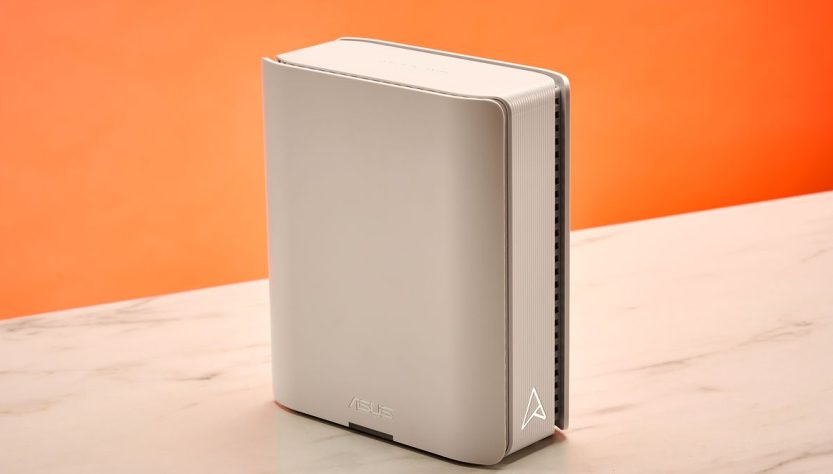
Once set up, the configuration of the Oto sprinkler system resembles that of the Aiper and the pricier Irrigreen applications. You establish a zone and utilize the app to outline its limits. Like the previously mentioned systems, Oto’s sprinkler is built for precise watering, directing water in a narrow beam in one direction rather than a broad spray. However, Oto’s spray remains comparably slim, focusing on a specific, designated area instead of creating a two-dimensional sheet of water akin to Irrigreen’s “water printing” technology. This is clearly illustrated as you outline your yard’s borders.

Oto, akin to its rivals, permits you to designate each zone as a spot (for irrigating an individual tree), a line (for a flowerbed), or a 2-D space (for a yard). I experimented with all these modes but primarily concentrated on area zones, which present the highest complexity. In terms of defining an area zone, Oto’s setup is nearly the same as Irrigreen and Aiper, although it does respond slightly more slowly to inputs. Nonetheless, it remains very intuitive: A straightforward interface enables you to place points around the sprinkler to outline the zone’s borders. As soon as you complete a full loop around the sprinkler, the zone is established.

After configuration, every zone may be assigned a schedule with multiple options regarding watering days (odd days, even days, selected days of the week, or daily) and a start time (though it does not sync with sunrise or sunset). Each schedule comes with a weekly watering cap (in inches of depth), which is dispersed over each week’s watering intervals. Weather intelligence capabilities allow for the skipping of watering if your zip code receives significant rainfall or if wind speeds are elevated; both rely on internet reports, and you can modify the rainfall amount and wind speed necessary to trigger a skip. The app tracks the 20 most recent runs and includes a calendar for upcoming occurrences.

Oto’s method for watering a zone entails moving in circular arcs around the sprinkler, then progressively broadening the coverage with each pass. Additional “cleanup” runs ensure thorough coverage of the area without dry spots. The speed and size of the water beam guarantee effective coverage. After test sequences, the yard was sufficiently damp across the entirety of the zone, with no dry areas.

As with any sprinklers, fluctuations in water pressure can occasionally lead to over- or underwatering in particular zones, yet this was minimal with the Oto. However, watering at the outer end of Oto’s range may demand sufficient power to create a strong splashdown, potentially leading to soil erosion or harm to delicate plants.

The Oto also incorporates a “play mode” that allows you to utilize the sprinkler for a fun chase game or a random “splash tag” feature, where you attempt to evade being hit by water. Pro tip: Avoiding getting hit is nearly impossible.

Fancy Butt Cushions Are Essential at the Musk v. Altman Trial

Fancy Butt Cushions Are Essential at the Musk v. Altman Trial

The final witnesses provided their testimony on Wednesday in the Musk v. Altman trial. The statements were rather uneventful, save for the revelation that Microsoft has poured over $100 billion into its collaboration with OpenAI. More captivating, though, is a point my colleague Maxwell Zeff and I have been reflecting on after nearly three weeks of following the trial.

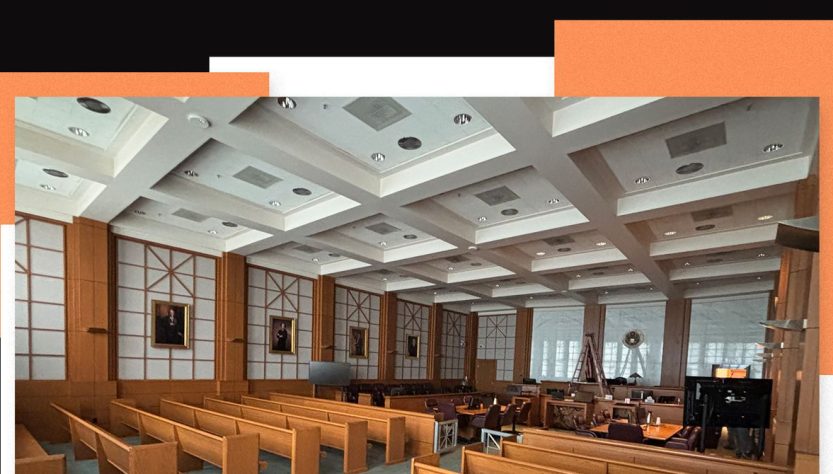
The courtroom features a variety of seat cushions.

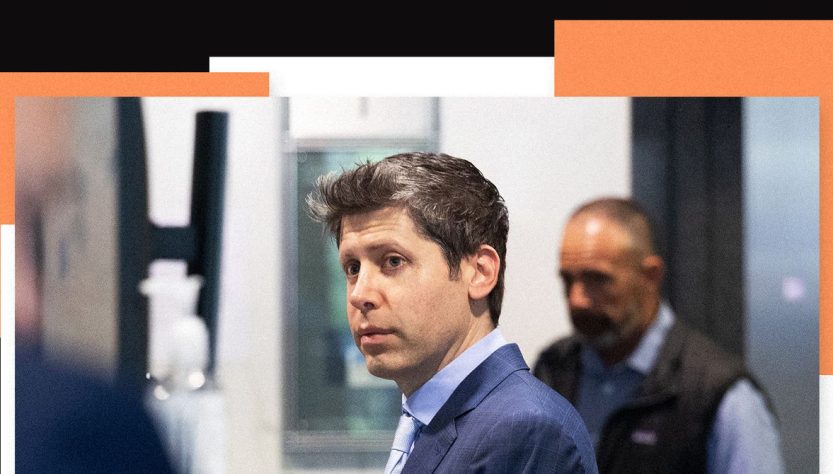
On the right side of US District Judge Yvonne Gonzalez Rogers’ courtroom, a number of wooden benches are designated for the attorneys, executives, and team members from OpenAI and Microsoft. Roughly 10 individuals, including OpenAI CEO Sam Altman and general counsel Che Chang, have utilized plush black cushions, the most luxurious being from the Purple brand, retailing for $120 at Target. These cushions come in different shapes, with some having rounded edges while others are square. On Wednesday, Chang adjusted one behind his back, a rare adjustment during such proceedings.

OpenAI President Greg Brockman and his wife, Anna, have been present for much of the trial, consistently using pristine white pillows. The pillows, recognized by their tags, seem to be from Coop, a brand specializing in sleep products that offers a two-pack for $35.

On Wednesday, an OpenAI security guard brought a purple handbag into the courtroom, holding a pillow for each Brockman. Anna swiftly handed her husband a pillow before arranging her own. At the same time, OpenAI chief futurist Joshua Achiam took Brockman’s seat later on but initially did not have a pillow until he eventually acquired a standard black cushion.

OpenAI has not responded to requests for comment from WIRED.

A seasoned technology attorney informed WIRED that cushions aren’t “typical” but noted, “it’s not out of left field.” He personally hasn’t witnessed lawyers utilizing cushions or pillows in his cases, although he has never been part of a trial this extensive.

The main litigators enjoy fairly comfortable leather chairs, though they show signs of wear, hinting that the cushioning may not be as supportive as it seems.

During my last significant time in the courtroom in 2021 for parts of the Epic Games v. Apple trial, Covid-related capacity restrictions allowed for ample space. This time, however, the courtroom is almost at its capacity of 150, with bench seating for around 90 attendees.

About an hour into my initial trial day in late April, I thought of bringing my own cushion because of the rigid benches but hesitated for fear of appearing weak. None of the regular reporters, around two dozen including one who was pregnant, initially used cushions. I withstood six days of growing discomfort.

After an uncomfortable morning last week, I decided to try a “cooling” cushion from the Tokyo Olympics. It was too small and thin to provide any real relief. My back particularly ached as I typed notes on the Musk-themed jackass trophy, which allegedly once had its own pillow.

In the end, I gave up on the cushion. However, one reporter from the New York Times eventually gave in to using one, and the courtroom artist, equipped with a colorful cushion, continued to utilize theirs. Perhaps I’ll discover a more suitable solution by next week when Gonzalez Rogers considers potential penalties.

Maxwell Zeff contributed to this report.

This article is part of Maxwell Zeff’s Model Behavior newsletter. Find previous editions here.

xAI Purchases 19 Gas Turbines During Continuing Legal Dispute

xAI Purchases 19 Gas Turbines During Continuing Legal Dispute

xAI has incorporated 19 natural gas turbines into its second data center campus located in Southhaven, Mississippi, over the last two months, as per internal emails reviewed by WIRED. These additions come amidst xAI’s ongoing legal battle with the NAACP and various environmental organizations, claiming the company is breaching the Clean Air Act by operating over twenty natural gas turbines at the location without the necessary air permits. Correspondence between an official from the Mississippi Department of Environmental Quality and a representative from Trinity Consultants, acquired through a public records request by the Southern Environmental Law Center and shared with WIRED, reveals that xAI set up 19 portable gas turbines on its Southaven site between late March and early May. This raises the total count to 46 turbines at the site. A spreadsheet attached in the email to MDEQ includes a column titled “Total Power Output” that seems to enumerate the megawatt capacity of each turbine on the premises. xAI appears to have added on more than 500 megawatts of natural gas turbines since mid-March. Combusting natural gas can emit greenhouse gases and deteriorate air quality. Officials from the MDEQ and xAI did not respond to WIRED’s request for comments. The introduction of the new turbines to the site, referred to as Colossus 2, was initially reported by Mississippi Today. “As noted by the facility, all portable/temporary turbines are outfitted with control technology to reduce emissions,” agency spokesperson Jan Schaefer informed Mississippi Today. “MDEQ is assessing the situation and will notify the facility when it can no longer install additional portable/temporary turbines on-site.” In April, the NAACP, in conjunction with the SELC and Earthjustice, initiated a lawsuit against xAI, asserting that the company had been managing a “private power plant” in Southaven by operating 27 gas turbines without the required permits. Ben Grillot, an attorney with SELC, states that the organization identified six more turbines at the site during a drone flyover in April. It was only after reviewing the MDEQ emails that the team discovered the presence of 19 additional turbines. Based on the dates in the email reviewed by WIRED, eight of the 19 new turbines, amounting to over 200 megawatts of output, were installed following the lawsuit filing. The original xAI location, Colossus 1, situated just across the state border in Memphis, Tennessee, faced significant backlash in 2024 after residents claimed that gas turbines at that site were operating without a permit. Colossus 1 is located in Boxtown, a historically Black neighborhood that has long struggled with air quality issues. Regulators in both Tennessee and Mississippi have indicated that due to the non-stationary nature of xAI’s turbines, the company has a year to utilize them without permits in accordance with the Clean Air Act. Last July, Memphis’ local health department granted a permit for the turbines at the Colossus 1 location, despite considerable community opposition. In March, confronted with similar community protests, the MDEQ issued an air permit for the Southaven site to operate 41 gas turbines. (SELC contends that the 27 turbines cited in its lawsuit and those added to the site in recent months are not included in this permit. Neither xAI nor the MDEQ provided answers to WIRED regarding whether the turbines mentioned in the emails are encompassed by the air permit approved in March.) Drone footage and public records obtained by the news outlet Floodlight indicate that several turbines at the site were operational in the weeks leading up to the permit approval by the MDEQ.

Elon Musk Contemplated Bequeathing OpenAI to His Children, States Sam Altman

Elon Musk Contemplated Bequeathing OpenAI to His Children, States Sam Altman

Sam Altman appeared in court on Tuesday during the Musk v. Altman trial, being questioned by lawyers for Elon Musk regarding his purported past of misleading conduct. The cross-examination held great importance for Musk, who has faced difficulties in presenting a solid case. Altman addressed claims from former associates questioning his reliability.

Emphasizing this proof is vital for Musk, not only for prevailing in the lawsuit but also in the realm of public perception. Just days prior to the trial, Musk messaged OpenAI president Greg Brockman, insinuating that they might soon “be the most hated men in America.”

Musk’s legal action alleges that Altman misappropriated the OpenAI charity, rerouting Musk’s $38 million contribution to establish a for-profit enterprise valued at over $850 billion.

However, on Tuesday, minimal evidence was provided to back Musk’s claims. Both Altman and Sam Teller, Musk’s former chief of staff, stated they did not remember Musk imposing any stipulations on his donations to OpenAI. It seems that Musk initiated his lawsuit too late, years after suspecting a breach of charitable trust, with the statute of limitations having lapsed.

Brockman, his spouse Anna, and OpenAI’s chief futurist Joshua Achiam were present in the audience. Nonetheless, Musk did not remain for Altman’s testimony, as flight records indicate he headed to the Washington, DC, area before a trip to China with President Donald Trump.

Before engaging with Musk’s lawyers, Altman shared his perspective through inquiries from OpenAI’s attorneys. He portrayed himself as an entrepreneur passionate about the potential of AI. He asserted that Musk has consistently aimed to dominate OpenAI, recounting an eerie incident when Musk suggested transferring control to his children in the event of his death. Altman detailed Musk’s 2018 effort to establish an AI division at Tesla, offering Altman a position in it, as a subtle threat to OpenAI’s survival.

Intense Questioning of Altman

Musk’s attorney, Steven Molo, initiated the cross-examination by questioning Altman’s trustworthiness. Altman affirmed his belief in his own reliability but stated it’s up to the jury to reach a conclusion. The dialogue progressed:

Molo: Do you consistently speak the truth?

Altman: I’m certain there are times in my life when I have not.

Molo: Do you fabricate stories to promote your business interests?

Altman: No.

Pentagon Releases Fresh Set of Declassified UFO Files

Pentagon Releases Fresh Set of Declassified UFO Files

Trump initially suggested the release in February through a post on Truth Social. The Pentagon, in conjunction with the White House, Director of National Intelligence Tulsi Gabbard, the Energy Department, NASA, and the FBI, orchestrated the release. Numerous files in this fresh batch are already accessible to the public. Nevertheless, some iterations of these known documents feature more pages or fewer redactions compared to previous releases.

More than 60 percent of Americans think the government is concealing UAP information, as reported by YouGov, while 40 percent believe UAP might have extraterrestrial origins, according to Gallup. Congress has conducted hearings on a potential decades-long initiative to recover “non-human” technologies, but tangible evidence remains limited.

Adam Frank, an astrophysicist at the University of Rochester, shared his thoughts on the new files: “If it’s merely more ambiguous photos or heavily censored documents, it’s the same old narrative. We require genuine scientific outcomes from investigations if the extraordinary assertions hold true.”

The document release comes after a significant week of discussions about aliens, including Stephen Colbert’s interview with former President Barack Obama, where Obama humorously remarked on the improbability of government cover-ups, stating, “some guy guarding the installation would have captured a selfie with the alien and shared it with his girlfriend.”

Crew members of Artemis II also interrogated the notion of an extensive government conspiracy surrounding extraterrestrial findings in a conversation with The Daily. Reid Weisman, the commander of Artemis II, remarked, “If we discovered alien life and communicated it, NASA would never encounter a budget issue again. So believe me.” Victor Glover, the pilot of the mission, added, “Why would we conceal that from you?”

Best Mobile Gaming Controllers for iPhone and Android (2026)

Best Mobile Gaming Controllers for iPhone and Android (2026)

The finest mobile gaming controllers are ideal for prolonged gaming sessions on compatible titles. Whether you’re in search of an iPhone or Android controller, we’ve evaluated the leading options and have opinions on each. Backbone provides the best overall selection for the majority of users, with suggestions for particular requirements such as compatibility with smart glasses or tablets.

Be sure to check out our purchasing guides including Best Affordable Phones, Best Android Devices, Best Gaming Controllers, and Best MagSafe Accessories.

Our Selections:

1. Best Mobile Gaming Controller: Backbone One
– Connect the adapter to your phone, and experience enjoyable gameplay with sensitive buttons and triggers. It features pass-through charging, a screenshot function, a mute option, and a headphone port.

2. Best Enhanced Mobile Gaming Controller: Backbone Pro
– Delivers improved comfort with customizable back buttons, Hall-effect rear triggers, and Bluetooth connectivity for seamless device transitions.

3. Best Magnetic Mobile Gaming Controller: ohsnap! Mcon
– Showcases a magnetic design that works with MagSafe and comes with a detachable controller and an integrated kickstand for multifaceted play. Additional accessories like the Key Cast and Dock enhance functionality.

Specifically designed to be compatible with iPhone, Android, Nvidia GeForce Now, Xbox and PlayStation Remote Play, Amazon Luna, and Steam Link.

Vital Details Regarding the US Prohibition on Routers Manufactured Abroad

Vital Details Regarding the US Prohibition on Routers Manufactured Abroad

In March, the Federal Communications Commission prohibited the introduction of new consumer internet routers manufactured outside the US, referencing national security issues. Current routers in American residences or presently available for purchase remain unaffected, but all newly crafted consumer routers require approval. Manufacturers can seek exceptions, and some have been authorized, meaning there’s no necessity to dispose of your existing router, and numerous mesh systems are still purchasable in stores.

Updated May 2026: Further details on software and component modifications, the inclusion of mobile hotspots in the ban, and Conditional Approval granted to certain firms are provided.

Why Are Routers Made Abroad Prohibited?

The FCC indicated that malicious entities have taken advantage of security vulnerabilities in routers made abroad to target American households, disrupt networks, facilitate espionage, and promote intellectual property infringement. Routers that are foreign-made played a role in the Volt, Flax, and Salt Typhoon cyberattacks, which focused on crucial US infrastructure. These routers are included on the Covered List, representing an unacceptable threat to US national security. As noted by Bogdan Botezatu, director of Threat Research at Bitdefender, the prohibition aims to bolster cybersecurity in US homes amidst geopolitical tensions, emphasizing that consumer routers represent a strategic risk if compromised on a broad scale. He states that Internet of Things devices, including routers, are a vulnerability across the internet.

Which Routers Are Prohibited?

The prohibition solely targets the sale of new Wi-Fi routers and mobile Wi-Fi or hotspot devices aimed at consumers, excluding existing FCC-approved routers or phones with hotspot functionalities. Previously acquired routers are not impacted and can be sold, utilized, and updated until March 1, 2027. Any new router produced outside the US must receive FCC approval before being brought in, marketed, or sold within the US, affecting US firms with overseas production.

What Does Foreign-Made Entail?

The prohibition pertains to “consumer-grade” routers designed or produced outside of the US or by companies not owned by US entities. Key players like Netgear, TP-Link, Asus, Amazon’s Eero, Google’s Nest, Synology, Linksys, and Ubiquiti fall into this category, as do most routers provided by internet service providers in the US. Manufacturers can request Conditional Approval from the Department of Defense and the Department of Homeland Security.

What is Conditional Approval?

To obtain Conditional Approval, companies are required to disclose their corporate structure, provide details on the manufacturing and supply chain, and outline a US manufacturing and onshoring strategy. This facilitates the ongoing sales and updates for both existing and new devices for a period of 18 months, which includes firmware updates, superseding the March 1, 2027, firmware waiver deadline. New devices will still undergo the standard FCC approval procedure.

Companies With Conditional Approval

Three companies have been granted Conditional Approval: Netgear, Adtran, and Eero, with permissions extending until October 2027. The Department of Defense, Homeland Security, and FCC have not clarified the reasons for these companies receiving approvals. The Consumer Technology Association (CTA) has requested clearer guidelines, raising concerns about software updates and component modifications.

What About Software Updates?

The FCC waiver permits all authorized routers to access software and firmware updates until March 1, 2027. After this date, it is uncertain what will occur should companies not secure Conditional Approval. Joshua Marpet from Finite State points out that routers that cease to receive updates present security hazards. Older devices frequently involved in cyberattacks typically do not receive further updates.

What About Components Made Abroad?

The international supply chain often faces component substitutions in routers, prompting worries. The CTA has advocated for additional waivers where security is not significantly compromised. The FCC clarified that a router manufactured in the US is not classified as ‘covered’ due to foreign components unless the component is a modular transmitter. Companies must demonstrate non-foreign production without precise regulations for documentation.

Netgear Has Approval

Netgear disclosed its Conditional Approval through a letter from the CEO. Although based in the US, its routers are produced in countries like Vietnam and Taiwan. The company has advocated for enhancing US cybersecurity and strategic competition with China. Netgear’s stock saw an increase following the announcement of the ban.

Will TP-Link Be Banned?

TP-Link, holding an estimated 35% of the US market share, must seek Conditional Approval or establish US manufacturing to market new routers. Investigations by US agencies and a lawsuit by the Texas attorney general highlight concerns regarding TP-Link’s connections to China. TP-Link asserts that it is headquartered in the US and manufactures in Vietnam, with its CEO applying for Trump’s Gold Card program for residency.

Will Asus Be Banned?

Asus mainly manufactures routers in Taiwan and China and must pursue Conditional Approval for new router sales. The ban has not influenced its stock price on the Taiwanese Stock Exchange.

Are Any Routers Manufactured in the US?

Some Starlink Wi-Fi routers, part of Elon Musk’s SpaceX operations, are created in Texas, although many components originate from East Asia. The security framework is considered more crucial than the manufacturing site.

How Will the Router Ban Impact Ordinary Folks?

The immediate consequence may be minimal, with numerous

Tovala Family Meals Evaluation: Delicious Selections, Elevated Sodium Content

Tovala Family Meals Evaluation: Delicious Selections, Elevated Sodium Content

A garlic-herb salmon served with risotto emerged as the top choice among the family dishes I tried. While the chopped asparagus appeared less appealing when topped with garlic butter, it was still flavorful and slightly crisp. The salmon was soft and flaky, and the sweet pea risotto was delightful due to the ample amounts of cheese, butter, and lemon, creating a rich blend of flavors.

The chicken parm was equally rich, evoking memories of family meals from my childhood during the 1980s, featuring cheese-covered chicken, garlic bread, and ricotta-stuffed shells. The main difference was the lack of vegetables, which my mother would have certainly included.

However, Toval’s meals face a nutritional challenge. For example, the chicken parm dish has 2,300 milligrams of sodium per serving, almost the entire daily limit for an adult. This sodium content is similar to comparable servings of Stouffer’s meat lasagna, but the Tovala meal also contains roughly ten times the cholesterol amount.

Other dishes similarly relied heavily on fats and salt for flavor, resembling indulgent restaurant fare rather than home-cooked meals. Whether this is a positive aspect is subjective.

Only one out of the seven meals I sampled was a total letdown: the teriyaki chicken dinner, which felt like a cultural misrepresentation of Japan. The dish featured sweet soy sauce over bland chicken, heavy egg rolls, and plain broccoli, reminiscent of ’90s mall food court “Japanese” cuisine. However, such a significant error was rare.

A larger issue with family-oriented meals is the consistently elevated levels of fat, cholesterol, and sodium. Those who have the means and desire for convenient, hearty meals—such as parents with children or seniors—might look for more nutritious alternatives with reduced fat and salt.

After a few weeks of experimenting with recipes, I was relieved to notice my arteries feeling clearer. Tovala’s culinary strategy effectively bridges the divide between prepared meals and fresh food, showcasing their culinary prowess. It would be advantageous if they provided options that encourage a more sustainable diet.

50% Discount Home Depot Promo Codes | May 2026

50% Discount Home Depot Promo Codes | May 2026

The organization effectively established the idea of the hardware megastore in 1978, mainly due to its significant size. They converted the neighborhood tool store into an all-encompassing marketplace for lumber, tools, and equipment. The unique ambiance within a Home Depot—marked by the fragrances of sawdust, paint, and tools—would be identifiable even while blindfolded. For me, the aroma is a sentimental mix of recollections from construction projects to the arrival of spring. Likewise, Home Depot’s website provides a wide array, lacking the tangible sensory experience, yet offering improved convenience to find items. Our assortment of Home Depot promo codes features deals ranging from 20% to $100 off, discounts for new customers, free shipping offers, and Pro discounts of up to 50% on online transactions.

Unlock savings such as 10% off or a $5 reduction by subscribing to Home Depot’s Style and Decor newsletter, which grants a special code for furniture and home accents. Alternatively, you can sign up for coupon newsletters or text alerts to receive an immediate $5 discount on in-store purchases exceeding $50. Furthermore, establishing product subscriptions can result in a 5% discount and complimentary delivery.

Take advantage of considerable savings with Home Depot coupon codes. Current promotions include discounts of up to 50% on items like 10% off flooring for Pro members using code **SAMPLESAVE10** and 20% off Electrolux handheld electronics with **ELECTROLUX20**. Discounts are offered on various power tools, free tools with select purchases, and buy one get one free deals from brands like Milwaukee, DEWALT, and RYOBI.

Discover extensive markdowns at Home Depot, with sales reducing prices on appliances, bath products, tools, and more by up to 50%. For instance, grills, garden tools, and outdoor power equipment experience significant price cuts, including offers for the Traeger Woodridge smoker. Appliance discounts can reach up to $1,400 off on major items, alongside additional promotions across various home essentials.

Home Depot’s Deal of the Day showcases numerous discount opportunities, featuring storage solutions, washers, dryers, and more. The site’s “Special Buy of the Day” presents exclusive price reductions on selected items, highlighting substantial savings even for extensive home improvements.

The Pro Xtra loyalty initiative provides unique advantages such as 20% savings, bulk discounts, and exclusive pricing. Enjoy Special Buys of the Week and the Pro Special Buy program, which offer discounts and exclusive coupons. Additionally, check the military discount providing 10% off eligible purchases for verified service members and their families.

Acquiring a Home Depot credit card can offer $100 off new account purchases and extended financing on particular installations. Use codes like **YU8QTSVQ3** and **7MD4H2YQ2** for financing options on customized installations, making Home Depot a prime choice for materials, tools, and savings opportunities.

How Shivon Zilis Functioned as Elon Musk's OpenAI Insider

How Shivon Zilis Functioned as Elon Musk’s OpenAI Insider

As the first week of the Musk v. Altman trial wraps up, one individual has emerged as vital in managing communications and personalities during OpenAI’s early days: Shivon Zilis. A long-time associate of Musk and mother of four of his kids, Zilis became an adviser to OpenAI in 2016, later sitting on its nonprofit board from 2020 to 2023, and has also held executive roles at Musk’s other companies, Neuralink and Tesla.

In court, Musk referred to Zilis as a “chief of staff,” “close adviser,” and noted that “we live together, and she’s the mother of four of my children,” although Zilis mentioned in a deposition that Musk is more like a regular guest. Last September, she told OpenAI’s attorneys that she and Musk started their romantic relationship around 2016 after she began advising OpenAI. They welcomed their first two children in 2021.

OpenAI’s lawyers claim that Zilis has acted as a clandestine link between OpenAI and Musk, even after he departed the board in February 2018. In a text message to Musk on February 16, 2018, Zilis inquired whether she should “stay close and friendly to OpenAI to keep info flowing,” to which Musk responded, “Close and friendly, but we are going to actively try to move three or four people from OpenAI to Tesla.”

On the witness stand, Musk expressed his desire to stay informed of developments. During the same conversation, Musk voiced skepticism about OpenAI’s future if he concentrated on Tesla AI. Zilis concurred, citing concerns regarding Demis Hassabis of Google DeepMind. She emphasized the necessity of exerting influence over Hassabis due to the potential dangers of AI advancement.

Two months later, in an April 23, 2018 email, Zilis updated Musk on OpenAI’s fundraising and a new AI initiative. She indicated a shift of her focus more towards Neuralink and Tesla but was willing to reallocate her attention based on Musk’s desires.

Previously, in the summer of 2017, Musk attempted to assert control during discussions about OpenAI’s corporate framework. In an August 28, 2017 email, Zilis communicated about her meeting with OpenAI’s leadership concerning equity distribution. Musk replied, “This is very annoying. Please encourage them to go start a company. I’ve had enough.”